What is Spondylosis in Rabbits?
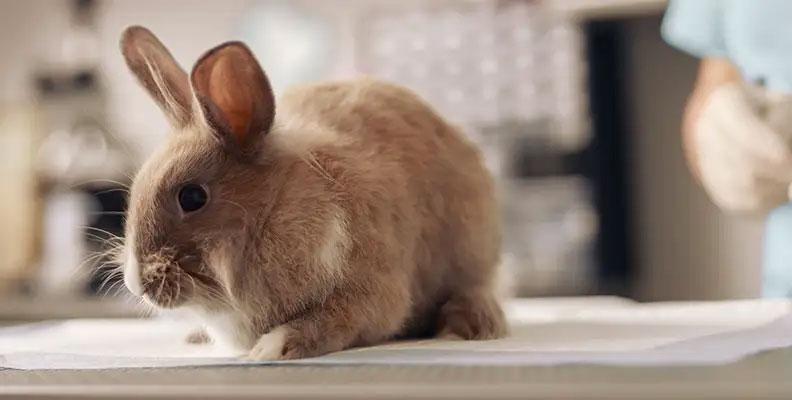
What is spondylosis in rabbits? It's a spinal condition that affects many rabbits, particularly older rabbits. Rabbit spondylosis, also referred to as Spondylosis deformans in rabbits, involves changes to the vertebrae and intervertebral discs. Often leading to pain, stiffness, and reduced mobility.
Because rabbits instinctively hide discomfort, signs of spondylosis can be subtle. Look for changes in hopping, grooming difficulties, or hind limb weakness. Early recognition and veterinary intervention are essential to effectively manage the condition.
This article explores the causes of spondylosis in rabbits, signs to watch for, diagnosis, and how to treat spondylosis in rabbits, including pain relief, supportive care, and lifestyle adjustments to maintain comfort and mobility.
What Causes Spondylosis in Rabbits?
Rabbit spondylosis is one of the most common degenerative conditions in older rabbits. The condition is commonly linked to general wear and tear and ageing.
As rabbits move and hop, the spine is under constant strain. This can lead to the development of bone spurs and degeneration of the intervertebral disc between vertebrae.
Older rabbits are particularly at risk, as the cumulative effects of years of movement increase the likelihood of degeneration.
Common Rabbit Illnesses that Can Cause Spondylosis
Some bunnies may have underlying health issues that predispose them to common rabbit spinal problems, such as parasitic infection with Encephalitozoon cuniculi, which can affect the brain and spinal cord and contribute to mobility issues.
Other risk factors include illness, reduced muscle mass, or previous trauma to the spine. Because rabbits instinctively hide pain, early changes may be subtle, and owners might only notice them as their rabbit begins to slow down with age.
What Are the Signs of Spondylosis in Rabbits?
Recognising the symptoms of spondylosis in rabbits is essential for early intervention. Signs can be subtle and often worsen over months or years.
Common symptoms include:
- Unkempt coat due to difficulty grooming
- Urine scalding and a dirty bottom/tail area because the rabbit is unable to reach around to eat caecotrophs or lift its tail while urinating
- Aggression toward a companion rabbit or owner may be caused by pain.
- Changes in movement, including abnormal hopping or walking
- Weakness in the hind limbs, leading to difficulty moving or hopping
- Sitting more often due to discomfort
- Eating less because pain makes stretching and moving uncomfortable
Signs may fluctuate and often appear worse in cold or damp weather. Rabbits can continue to perform some activities, but the condition is progressive and requires veterinary attention.
How Do Vets Diagnose Spondylosis?
When evaluating a rabbit for spondylosis, veterinarians will assess mobility, posture, and areas of potential discomfort. Videos from home can be helpful as rabbits often move differently in a clinical environment due to stress.
X-rays are often performed to determine the location and severity of rabbit spondylosis and to rule out other causes such as tumours. These imaging procedures generally require sedation or general anaesthesia, as the rabbit must remain completely still.
Veterinarians may also check for parasitic infections, such as Encephalitozoon cuniculi, which can affect the nervous system and contribute to hind limb weakness. A comprehensive assessment ensures that all factors affecting mobility and comfort are identified.
How Do You Treat Spondylosis in Rabbits?
One of the most important goals of treating spondylosis in rabbits is to keep the rabbit comfortable and allow it to perform normal behaviours, including grooming and eating. Treatment typically includes:
- Pain medication: Rabbits with spondylosis usually require lifelong analgesia to maintain quality of life.
- Anti-inflammatory drugs: These medications help reduce pain and inflammation in affected joints.
- Adjunct therapies: Treatments like laser therapy, acupuncture, or physiotherapy may be recommended to keep rabbits mobile and relieve stiffness.
Individual tolerance varies, so treatments must be tailored to each rabbit.
Helping Rabbits with Spondylosis at Home
At home, there are several measures owners can take to reduce pain and make daily life easier:
- Keep the environment level to avoid ramps and steps that may be difficult for rabbits with limited mobility.
- Groom rabbits regularly to compensate for reduced self-grooming ability
- Maintain cleanliness to prevent urine scalding and secondary infections like flystrike
- Provide companionship; a bonded rabbit can offer warmth and comfort
- Bring rabbits indoors during cold weather, which can exacerbate pain
- Encourage gentle exercise in a safe, large environment to maintain muscle strength without overstraining the spine
- Use litter trays with low sides for easier access
- Monitor weight, as excess weight places additional strain on the spine and hind legs
What is Rabbit Arthritis Spondylosis?
Rabbit arthritis spondylosis is the combination of spinal degeneration and arthritis that can cause chronic discomfort.
Rabbit arthritis spondylosis can be managed more effectively with combined approaches. Some owners may explore alternative therapies, but these should complement, not replace, conventional pain management. Each rabbit's tolerance varies, and the goal is always to enhance comfort and mobility while avoiding stress.
Environmental modifications - such as keeping the home on one level, providing soft bedding, and ensuring easy access to food, water, and litter - are practical ways to support daily life for rabbits with spinal degeneration.
Will Spondylosis Shorten My Rabbit's Life?
For the majority of rabbits, spondylosis is not a death sentence. With proper management, including pain medication, environmental adjustments, and supportive care, rabbits can live happily despite their condition. Regular veterinary checks ensure pain relief is effective and adjusted as needed.
Rabbits with spondylosis can continue to engage in normal behaviours, maintain hygiene, and enjoy companionship. The key is early recognition of signs of spondylosis in rabbits and consistent management to reduce pain and maintain mobility.
Living with Rabbits that Have Spondylosis
Spondylosis in rabbits is a common degenerative spinal condition, especially affecting older rabbits, that can cause discomfort, reduced mobility, and complications such as urine scalding. Recognising the subtle signs of spondylosis in rabbits, including changes in hopping, grooming difficulties, and hind limb weakness, is crucial for early intervention.
Veterinary assessment, including x-rays and screening for conditions such as Encephalitozoon cuniculi, enables accurate diagnosis and tailored treatment plans. Management typically involves pain medication and anti-inflammatory drugs, alongside supportive care at home, environmental adjustments, and gentle exercise to reduce pain and maintain mobility.
While spondylosis is a progressive condition, with consistent care, attentive management, and supportive therapies, rabbits can continue to live comfortable, happy lives, demonstrating that rabbit spondylosis need not dramatically affect their quality of life.
Everypaw Rabbit Insurance
Here at Everypaw, we want to help you keep your bunny healthy and in tip top shape. So, when it comes to your young rabbit’s care, Everypaw’s Rabbit Insurance could be just the cover to look after your little thumper.
Content created by Vetstream Vetlexicon - Clinical content for veterinary professionals
Vetlexicon is the world’s largest peer-reviewed online clinical reference source for veterinary professionals. All our content is written and peer-reviewed by over 1,000 of the world’s leading veterinarians, ensuring relevance, accuracy and quality.
- Varga M, ShrubSole-Cockwill A & Jekl V (online) Spine: spondylosis deformans. In: Vetlexicon Lapis. Vetstream Ltd, UK
- Speight C & Blake C (online) Spondylosis. In: Vetlexicon Lapis. Vetstream Ltd, UK.


