How to Litter Train a Rabbit
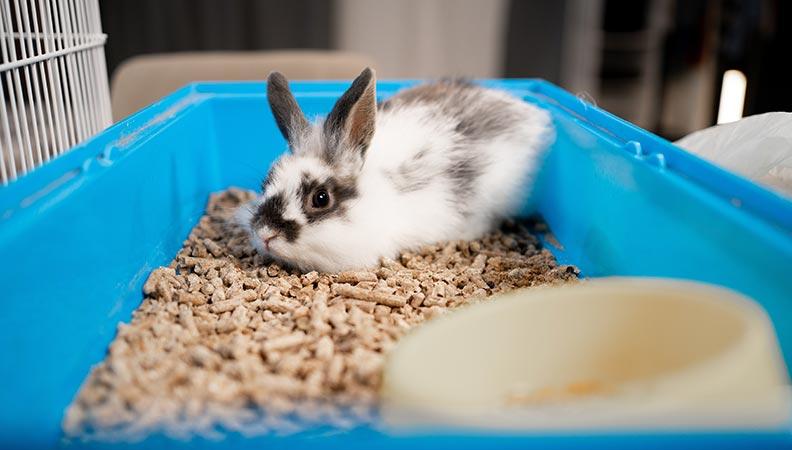
You may be wondering, can you potty train a rabbit? Well, the answer is most definitely yes! More and more bunny owners have ditched the old-fashioned way of keeping bunnies outdoors in hutches. Now, it’s understood that rabbits are much happier living inside your home, just like a pet dog or cat.
Rabbits love to interact with their owners and learn new tricks, so you’ll be pleased to hear that litter training rabbits is a pretty easy process.
A wild rabbit’s natural instinct is to use one place to go to the toilet, the same goes for your house rabbit. If you’re wanting to learn how to litter train a bunny rabbit, you’ve come to the right place!
What Do I Need to Litter Train a Rabbit?
You’ll need to get together a few bits and pieces before you start litter training your rabbit. The process for litter training a new rabbit or a rabbit that you’ve already had a while, is the same. So, you’ll need these whatever the situation.
To start off with, you’ll need to choose a small area or room where you’re going to do the training. Ideally a large dog crate or some barriers so you can fence off a larger indoor area in a quiet room of the house is ideal. You’ll need food, water and some fun toys for then to play with. As well as some newspaper, hay or straw to cover the floor of your chosen area.
Newspaper is probably the best choice as it’s easy to clean and replace! You’ll also need a large litter box or tray with one low side so they can easily get in and out of it. This is particularly important if you have an older rabbit that may struggle to step in and out of a high sided tray. To fill the tray, you’ll need some rabbit safe litter, alfalfa, straw or hay.
How to Litter Train a Bunny Rabbit
If you’re thinking about getting a new bunny to live indoors, or bring your existing rabbit indoors, you’ll need to know how to litter train a rabbit.
But, can you litter train a rabbit?
Absolutely! A young rabbit will be easier to train than an older rabbit, one that has been living outside or that has been rehomed, but don’t despair, it’s still possible. Teaching a young bunny makes the whole learning process quicker. Teaching an older bun will be just as successful but may just take a little longer.
But how do you house train a bunny? Once you get your new bun home it’s best to start litter training straight away. For the first couple of days keep them in a small area, like a pet crate in the corner of a room. Make sure they have access to food, water and toys and cover the floor with a paper-based litter, hay or straw. Avoid wood shavings as the dust from these can cause respiratory problems.
Let Them Choose Their Toilet Area
During the initial adjustment period, they’ll quietly get used to their new surroundings and smells and will choose a particular area to use as their toilet.
When your rabbit has done this, you can then place a rabbit litter tray in the area they’ve chosen - fill it with non-clumping cat litter, or non-clumping litter for rabbits. To speed up the litter box training process you could also add a small amount of their dirty bedding to the litter tray to encourage them to use the same area.
Leave your rabbit confined to their little enclosure for another day before allowing them to explore the rest of your house. When you let your rabbit out of their confined area, let them explore in their own time but keep a close eye on them. If you can’t be there all the time and they’re still not fully litter trained, it’s worth confining them again for short periods to avoid any accidents.
Rabbits Like to Eat While Going to the Toilet
Another little tip to encourage a good litter box habit is to put some fresh hay in a hayrack or bowl at the end of the litter tray. Rabbits like to eat while going to the loo, so having a hay rack near their litter tray may encourage them to nibble and pee or poop at the same time! You could also use small pieces of carrot as a reward when you see them getting into the litter box to encourage good rabbit litter box habits.
How Often Should You Clean Your Rabbit's Litter Tray?
By nature, small animals like rabbits are very clean, so don’t forget to clean your rabbit’s litter tray regularly. But rabbits also associate the smell of their poop with their toilet area. How often you clean their litter tray will depend on how big your bunny is, the size of the litter tray and how often they go to the loo.
Daily spot cleaning, replenishing the litter, and a weekly thorough cleaning of the litter tray, including emptying and refilling it, should be enough. If litter boxes are not kept clean, they will be avoided, and your pet will begin to relieve themselves in other places!
3 Common Problems with Litter Training a Rabbit
Even house rabbits that have been well trained can have accidents outside of their litter tray. There are various reasons why this might happen, but here are the top three:
- Puberty
- Inappropriate elimination
- Illness
If your bunny does have an accident, make sure the area is cleaned properly with an enzymatic cleaner. This will remove the smell of urine to the rabbit so hopefully they won’t continue to use that area as their toilet. Unfortunately, although other household cleaners get rid of the smell to us, they don’t get rid of the smell to the rabbit!
Some products that contain ammonia, like bleach, can encourage them to re-mark the area they originally soiled. If you can’t get hold of any enzymatic cleaner, you could try white vinegar diluted with water or baking soda is another option. These both have odour neutralizing properties.
1. Puberty
You may notice your bunny spinning around in circles while pooping at the same time. They may also spray urine. Getting your rabbit neutered or spayed is the easiest way of preventing this behaviour.
2. Inappropriate Elimination
A bit like cats and dogs, rabbits can mark their territory like your furniture or even your bed. If this happens, it can be a difficult habit to break. You’ll need to start the litter training process from the beginning if this starts to be a problem. You could also teach them a command, like ‘off’ or ‘out’ and reward them with praise so they learn when things or places are out of bounds.
3. Illness
If your rabbit is normally very good at using their litter tray, but suddenly starts going elsewhere, it could be a sign that they have an underlying problem.
Rabbits with arthritis for example can find it tricky getting in and out of their litter tray if the sides are too high. Or if your rabbit has a urinary infection, they may struggle to get to their litter tray in time! If you’re unsure speak with your vet for advice.
Can You Litter Train a Rabbit?
Absolutely! Rabbits can easily be taught with patience and repetition if each suggested stage is followed. But accidents will happen, so be prepared with a suitable enzymatic cleaner to get rid of any whiffs.
Clean your rabbit’s litter box regularly and your bunny will soon get the hang of things. And remember that positive reinforcement is always the best way to train your bunny, whatever you’re asking them to do. Punishment is never the solution!
Everypaw Rabbit Insurance
Here at Everypaw, we want to help you keep your bunny healthy and in tip top shape. So, when it comes to your rabbit’s care, Everypaw’s Rabbit Insurance could be just the cover to look after your little thumper.
Content created by Vetstream Vetlexicon - Clinical content for veterinary professionals
Vetlexicon is the world’s largest peer-reviewed online clinical reference source for veterinary professionals. All our content is written and peer-reviewed by over 1,000 of the world’s leading veterinarians, ensuring relevance, accuracy and quality.
- Vetstream Ltd & Speight C (online) Litter training your rabbit. In: Vetlexicon Lapis. Vetstream Ltd, UK.


