What is E. Cuniculi in Rabbits?
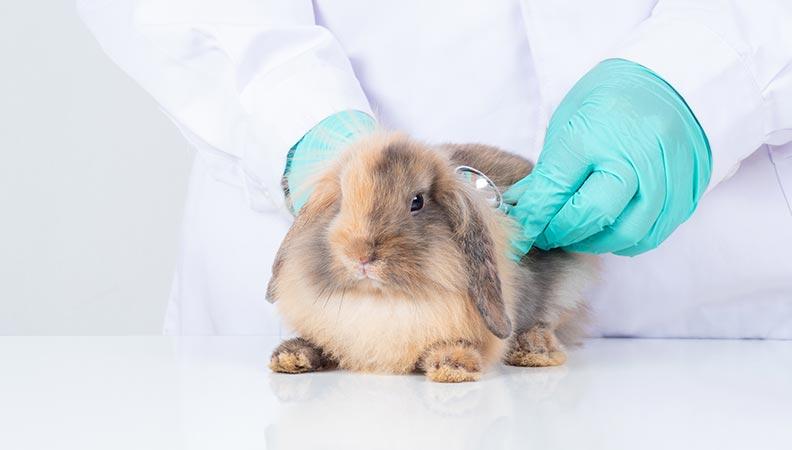
E. cuniculi or Encephalitozoon cuniculi is a tiny pathogen that can infect rabbits, causing them to become extremely unwell. E. cuniculi is part of the microsporidia family. Microsporidia are single-celled parasites that live within the infected rabbit's cells in order to survive and spread to others.
Encephalitozoon cuniculi has a long history in laboratory settings but is now seen as a common issue among pet rabbits.
Is E. cuniculi Contagious in Rabbits?
Yes, it's mostly spread by bodily fluids, particularly urine. However, it can also spread through spores in the environment, allowing it to be transmitted from wild rabbits or other animals. E. cuniculi is zoonotic, which means it can pass across species and infect humans. However, it's rare in humans and only those with weakened immune systems are at risk.
How Serious is E. cuniculi in Rabbits?
Many healthy rabbits can carry this infection without showing immediate symptoms (called a subclinical infection), but this infection can develop to become more serious.
The E. cuniculi parasite invades the brain and, in an active infection, it affects rabbits by causing swelling and inflammation of the brain. If a rabbit has a suppressed or weakened immune system, they're likely to suffer an active infection more quickly and severely, with increased risk of complications.
Is E. cuniculi Fatal in Rabbits?
In some cases, the infection can be fatal, particularly if it's left untreated or if it causes secondary complications like gastrointestinal stasis or kidney failure, which are common in more severe cases.
What Are the Syptoms of E. cuniculi in Rabbits?
Clinical signs of rabbits exposed to E. cuniculi with an active infection are primarily linked to the central nervous system. This includes:
- A head tilt
- Seizures
- Tremors
- Loss of balance
- Weakness or collapse in their back legs.
Some rabbits may also lose control of their bladder, experience urinary problems, or show signs of incontinence.
In more severe cases, the infection can lead to chronic pain and reduced mobility. E. cuniculi, if left untreated, will eventually cause kidney failure and, sadly, death. These symptoms typically develop gradually, with a slow progression rather than appearing suddenly.
Early treatment is crucial for effective management of the Encephalitozoon cuniculi parasite and preventing severe complications.
How to Treat E. cuniculi in Rabbits?
If you notice your rabbit develops unusual head positioning, has trouble with their back legs, or shows signs of urinary problems, it's important to seek veterinary care promptly. Early detection and treatment can help manage the condition more effectively.
Your vet may recommend a blood test, which can identify E. cuniculi infection in rabbits. The blood test looks at your pet's antibodies against the infection and therefore doesn't mean they have the infection currently. It shows their levels of antibodies against Encephalitozoon cuniculi.
Another way to diagnose E. cuniculi is to take a sample of tissue from their kidneys and send it to a laboratory for analysis, which will confirm if there's an active infection.
Once symptoms develop, the condition can be fatal, despite treatment efforts. Often, treatment slows the spread and reduces E. cuniculi in rabbits' symptoms, but it's not a cure. E cuniculi in rabbits treatment includes medication, usually non-steroidal anti-inflammatory drugs or a steroidal anti-inflammatory. Additional supportive care may be required to ensure your pet doesn't suffer from any of the symptoms of the E. cuniculi infection.
How to Prevent E. cuniculi in Rabbits?
This condition is important for pet rabbit owners to understand because it's a common problem in the pet rabbit population. As infection can be present for a long time before showing any symptoms, regular veterinary check-ups are important even for rabbits that appear healthy.
Conditions that develop slowly can easily be overlooked by those who see the gradual changes daily. It's easier for a vet, who may only see your rabbit once or twice a year, to notice any differences since their last visit and spot any health concerns during their clinical examination.
It's hard to prevent the risk of E. cuniculi completely, especially if you live in an area where wild animals are present or if you have other pets.
How to Test for E. cuniculi in Rabbits?
If you plan to breed your rabbit, you may wish for them to have a urine or blood test to reduce the chance of spreading E. cuniculi onto their young. These tests are not 100% accurate, but they should help you make an informed decision. The only test that provides a guaranteed diagnosis is a kidney biopsy. Still, as this involves a general anaesthetic, which comes with its own risks, it would not be recommended in a healthy rabbit. If E. cuniculi is passed on to kits from the doe rabbit, they can develop long-term eye problems.
If you plan on adding a new rabbit into your home and their history is unknown, such as a rescue rabbit, your vet may recommend a course of medication to prevent the spread of any potential infection to any other rabbits in contact or close proximity to the new arrival. The medication is usually a course of treatment, given over 28 days.
Rabbits with E. cuniculi and Other Pets
If your rabbit shows symptoms of E. cuniculi, they should be separated from any other pets immediately to prevent the parasite spreading. Hygiene is very important as Encephalitozoon cuniculi can live in its dormant form for 4 weeks in dry conditions. Your veterinary clinic will be able to advise you on the best way to disinfect your rabbit's home if you suspect an infection.
E. cuniculi is a contagious and potentially fatal condition in rabbits, which, if left untreated, can cause severe complications and even death. Early symptoms are often subtle and may go unnoticed, making prevention and prompt management essential.
Regular check-ups at your veterinary practice are crucial for monitoring your rabbit's health, as early detection can make a significant difference in treatment outcomes. If you have any concerns or notice changes in your rabbit's behaviour, contacting your vet immediately can greatly improve your rabbit's chances of recovery and prevent further complications.
Everypaw Rabbit Insurance
Here at Everypaw, we want to help you keep your bunny healthy and in tip top shape. So, when it comes to your rabbit’s care, Everypaw’s Rabbit Insurance could be just the cover to look after your little thumper.
Content created by Vetstream Vetlexicon - Clinical content for veterinary professionals
Vetlexicon is the world’s largest peer-reviewed online clinical reference source for veterinary professionals. All our content is written and peer-reviewed by over 1,000 of the world’s leading veterinarians, ensuring relevance, accuracy and quality.
- Varga M, Parpinan D, & Williams D (online) Encephalitozoonosis. In: Vetlexicon Lapis. Vetstream Ltd, UK.
- Varga M, & VetStream Ltd (online) Encephalitozoon cuniculi. In: Vetlexicon Lapis. Vetstream Ltd, UK.


