Caring for Rabbits in Winter
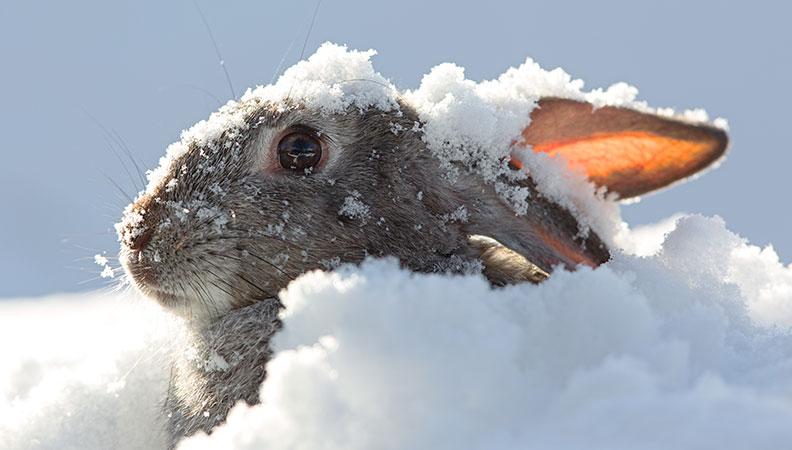
How cold is too cold for a rabbit? Rabbits have evolved over the years to deal with cold weather, even domesticated rabbits, so how do you care for rabbits in cold weather?
The ideal temperature for a rabbit is between 15-20°C; anything below this puts a rabbit at risk of health problems. Fortunately, rabbits have ways to keep themselves warm, but they also need some help from their owner, especially when you're learning how to keep rabbits warm in the winter.
If you're new to owning a rabbit and this is your first winter, or you need some extra rabbit care tips, this is where you'll find out how to keep them warm, how to insulate their hutch and about pesky winter health conditions.
Can Rabbits Stay Outside in Winter?
Rabbits have evolved to withstand the cold winter months. A rabbit's winter coat gets thicker in cold weather to act as an insulator and keep heat within the body, and its fur pads on the bottom of its feet help protect it from the cold.
Rabbits can also reduce blood flow to less-insulated areas, such as their nose and ears, which helps reduce heat loss. During winter, rabbits spend more time sheltering in their bedding and will huddle together if they have a companion.
For owners wondering "can rabbits die from cold in the winter," it's important to know that while they are resilient, extreme temperatures can be dangerous.
If in doubt, you can always bring your rabbit indoors, but make sure your house is prepped for the new guest.
How to Keep Rabbits Warm in Winter
Although rabbits can adapt to cold weather, preparation for winter is key. They're still susceptible to damp, draughts, wind and rain, and if your rabbit gets wet, it can lead to health problems.
But what can a pet owner do to help keep their pet rabbits warm in winter? Here are some top pointers for you:
How to Keep a Rabbit Hutch Warm in Winter
If your rabbit is kept outdoors, you'll need to insulate the hutch and ensure it's leak and draught-proof. Use cardboard boxes to line the walls of your rabbit enclosure, and line the floors with layers of newspaper. But make sure you replace the materials as soon as they get wet/soiled. In extreme weather conditions, bring your rabbit's hutch inside a shed or garage for added protection.
Alternatively, you use a rabbit hutch cover in winter, but make sure it's securely fastened. Remove the cover as soon as the cold weather has passed, as it can make the hutch too hot.
Rabbit Bedding in Winter
In your rabbit's sleeping area, add lots of layers of extra hay or straw for your rabbit to burrow into. You need to make sure their home is always kept clean and dry by removing any soiled or wet bedding and litter.
Companionship
In the wild, rabbits will snuggle together to keep warm. So, if you only have one rabbit, consider getting them a companion. Make sure you continue to spend lots of time with your rabbit, especially if they live on their own.
Rabbit Exercise in the Winter
Rabbits love to exercise and stretch their furry legs. Your rabbits should always have access to a run so that they can exercise - some even like to play in the snow. Just make sure there is a sheltered place for them to hide from the weather.
Keeping Rabbits Indoors in Winter
To keep an indoor rabbit safe and happy, make sure their bed/cage isn't near a radiator or other heating appliance, and that a window is always open to circulate fresh air.
Sudden temperature changes can have adverse effects on your rabbit's health, so keep rabbits outside in winter if they normally live outside. But you'll need to bring them indoors if they're ill or recovering from surgery.
Should I Feed My Rabbit More During Winter?
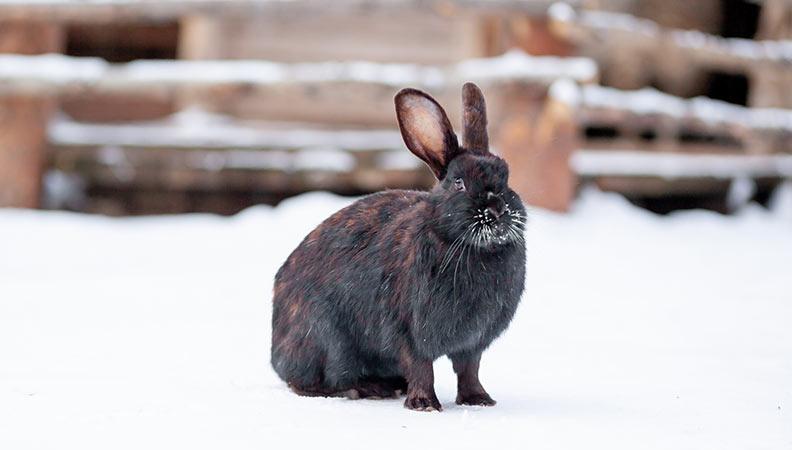
Outdoor rabbits will need extra food because they burn off more calories when trying to keep warm. Putting on a little extra weight will provide extra insulation, but be careful not to overfeed. If your rabbit is at an ideal weight, you should be able to feel their ribs when you rub your hands along their chest.
What to Feed Your Rabbit During Winter?
Feed your rabbit fresh vegetables around midday to prevent the food from freezing. Frozen food should be removed immediately as it's a choking hazard.
Remember to regularly check water bowls and bottles, as water can freeze when the temperature drops below 0°C. To help prevent freezing, try placing heat pads under water bowls or a sock over water bottles.
Indoor rabbits don't need extra food in winter, but usually drink more when the heating is on.
What Rabbit Winter Health Conditions Should I Look Out For?
Healthy rabbits can live in cold temperatures (down to sub-zero) if kept in the right conditions. But rabbits that are elderly, very young, ill or recovering from surgery are less able to maintain their normal body temperature, and are more at risk from health problems.
Take your rabbit for a winter health check to make sure they're well enough to keep warm during the winter months. In the meantime, some illnesses and symptoms to watch out for in the colder months are:
Hypothermia in Rabbits
Hypothermia (low body temperature) occurs when a rabbit's body temperature drops below the normal range of 38.5-40°C. This can happen if your bunny is exposed to cold, damp or draughty conditions, or if they're unwell. It can lead to a decrease in heart rate, cold extremities and poor blood circulation.
Symptoms of cold-weather health conditions include lethargy, cold extremities, and pallor. This leads to shallow breathing and a weak heartbeat.
Frostbite
Frostbite is damage to skin and underlying tissues caused by exposure to freezing temperatures. Frostbite is uncommon in rabbits but can occur if their ears, nose, or toes get wet and then freeze. This restricts the blood supply and leads to tissue damage, which can eventually cause the tissues to fall off.
Which Rabbits are Most Affected by Cold Weather?
Lop-eared rabbit breeds are most at risk, as their ears drag along the ground and can dip into their water bowl. Affected areas will feel cold to the touch and appear blue/white.
Both conditions require emergency treatment by a vet. Before you get to the clinic, slowly warm your rabbit up with thick blankets, a heat pad or a hot water bottle wrapped in a towel. Extremities like their feet can be wrapped in bubble wrap.
Can Rabbits Die in Cold Weather?
Yes, if hypothermia is left untreated, the rabbit may go into a coma and die.
A rabbit's body has developed ways to keep warm during the extreme cold of winter, but there are things owners can do to help their rabbits in cold weather.
Insulating your rabbit's hutch is the best way to protect them from the wind, rain and snow. Keeping your rabbit warm and dry will protect them from cold-weather rabbit health risks like hypothermia and frostbite.
Everypaw Rabbit Insurance
Here at Everypaw, we want to help you keep your bunny healthy and in tip top shape. So, when it comes to your young rabbit’s care, Everypaw’s Rabbit Insurance could be just the cover to look after your little thumper.
Content created by Vetstream Vetlexicon - Clinical content for veterinary professionals
Vetlexicon is the world’s largest peer-reviewed online clinical reference source for veterinary professionals. All our content is written and peer-reviewed by over 1,000 of the world’s leading veterinarians, ensuring relevance, accuracy and quality.
- Vetstream Ltd & Speight C (online) Adults – caring for your rabbit. In: Vetlexicon Lapis. Vetstream Ltd, UK.
- Vetstream Ltd & Speight C (online) Winter worries – how to care for your rabbit in winter. In: Vetlexicon Lapis. Vetstream Ltd, UK.
- Speight C & Purnell E (online) Keeping rabbits safe outside. In: Vetlexicon Lapis. Vetstream Ltd, UK.
- Pellett S, Baldrey V & Meredith A (online) Hypothermia. In: Vetlexicon Lapis. Vetstream Ltd, UK.
- Speight C & Blake C (online) Frostbite. In: Vetlexicon Lapis. Vetstream Ltd, UK.


