Causes, Signs and Treatment of Arthritis in Rabbits
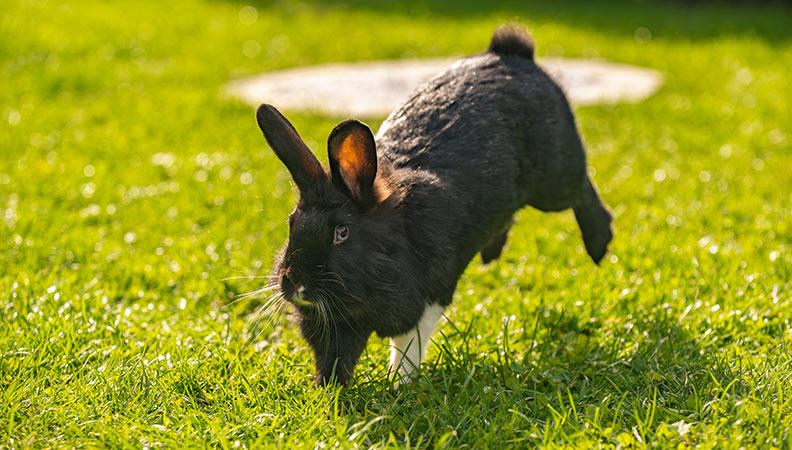
Rabbits rely on their strong, agile legs to hop, play, and explore - but when joint problems, like arthritis, develop, even simple movements can become painful. Whether it's mild arthritis in rabbits or more advanced cases, mobility issues can impact every part of a rabbit's life.
A rabbit suffering from joint pain may struggle to use the litter tray, eat and groom, which can lead to further health complications. Recognising the signs early and exploring appropriate arthritis therapy for rabbits can make all the difference in ensuring your rabbit lives comfortably and happily.
What is Arthritis in Rabbits?
Arthritis happens when there's inflammation in the joints, leading to stiffness, pain, and difficulty moving.
So, can rabbits get arthritis in their feet? Arthritis in rabbits' back legs is common, as well as in their hips and elbows, but it can happen in any joint. Some rabbits are genetically predisposed to joint problems, and giant breeds, like the British Giant, are more at risk due to their larger size and weight.
What Are the Signs of Arthritis in Rabbits?
Rabbits often hide pain because they're a prey species, so monitor your rabbit regularly. If you notice any of the following signs, it's important to seek veterinary care early, as it's likely your rabbit is suffering from arthritis pain.
- Less active or reluctant to hop and jump
- Difficulty getting in and out of the litter tray
- Rabbit limping or showing an abnormal gait
- Messy or wet bottom
- Stiffness or slow movements
- Struggling to groom ears, leading to excess earwax buildup
- Urine scalding
- Sitting more and moving less
- Subtle behavioural changes like being quieter than usual or aggressive when handled
- Occasionally reduced appetite
Symptoms are often worse during cold, damp weather, so it's important to keep your rabbit warm.
What Causes Arthritis in Rabbits?
Arthritis in rabbits can arise from various causes, but the most common form is osteoarthritis, which is a result of age-related wear and tear on the joints. In this condition, the protective cartilage that cushions the joints gradually wears away, causing the bones to rub directly against each other. Giant breeds, overweight rabbits, and those with missing limbs are more prone to osteoarthritis.
Rabbits can also develop arthritis due to autoimmune conditions, in which the body mistakenly attacks its own joint tissues, leading to deterioration.
Infectious or septic arthritis in rabbits occurs when bacteria, viruses, or other pathogens enter a joint, causing inflammation. Rabbits with infections elsewhere in the body may have an increased risk of developing septic arthritis.
How is Arthritis Diagnosed in Rabbits?
Following a physical examination of your rabbit, X-rays (radiographs) are often needed to confirm arthritis, and your rabbit may need to be sedated or anesthetised to ensure clear, accurate images.
For a more detailed assessment, ultrasound, CT scans, MRI, or arthroscopy might be used. These tools help your vet more precisely evaluate the extent of joint and bone damage.
Additionally, your vet may perform blood and urine tests or collect a sample of joint fluid (joint aspirate) for laboratory analysis. This helps rule out infections or other underlying conditions that may contribute to joint inflammation.
How to Treat Arthritis in Rabbits
Although arthritis cannot be cured, proper management can greatly improve your rabbit's comfort and quality of life. Arthritis in rabbits' treatment includes:
- Non-steroidal anti-inflammatory drugs
- Antibiotics for septic arthritis
- Regular vet check-ups to assess disease progression
- Warm, dry, and comfortable environments
- Soft bedding and low-entry litter trays
- Avoid ramps and stairs
- Regular, gentle exercise
- Maintaining a healthy weight
- Clip fur around the hind end if necessary to prevent skin irritation
- Collect and place caecotrophs near their food bowl if your rabbit can't reach them
- Gentle massage and joint flexing may reduce stiffness and improve blood flow. Always follow veterinary advice to avoid causing harm.
One way to make sure your arthritic bunny gets some managed exercise is to create a bespoke run for them at home. By creating a custom run for your rabbits, you're able to develop an exercise area that gets them moving while remaining sympathetic to their painful joints.
Does Arthritis in Rabbits Affect Life Expectancy?
Arthritis can be a painful and challenging condition for rabbits, but with the right care and environment, your arthritic rabbit can live a comfortable, happy life.
Remember to watch out for the signs of arthritis in rabbits and keep in close contact with your veterinary team. Together, you can manage your rabbit's arthritis and help them stay active and pain-free for as long as possible.
Everypaw Rabbit Insurance
Here at Everypaw, we want to help you keep your bunny healthy and in tip top shape. So, when it comes to your rabbit’s care, Everypaw’s Rabbit Insurance could be just the cover to look after your little thumper.
Content created by Vetstream Vetlexicon - Clinical content for veterinary professionals
Vetlexicon is the world’s largest peer-reviewed online clinical reference source for veterinary professionals. All our content is written and peer-reviewed by over 1,000 of the world’s leading veterinarians, ensuring relevance, accuracy and quality.
- Thompson L & Carmel B (online) Arthritis. In: Vetlexicon Lapis. Vetstream Ltd, UK.
- Pellett S & Baldrey V (online) Arthritis: septic. In: Vetlexicon Lapis. Vetstream Ltd, UK. Website:


