Affenpinscher Insurance, Care and Health Advice
The Affenpinscher is a small, spirited breed with a distinctive "monkey-like" expression, earning it the nickname "monkey dog". Originating in Germany and dating back to the 17th century, the Affenpinscher was initially bred to hunt vermin and guard homes. Breed numbers plummeted during World War II. So, they were bred with Griffon Bruxellois, which share a similar heritage and features. Over time, the breed has transitioned into a beloved companion dog, adored for its charm, intelligence, and playful energy.
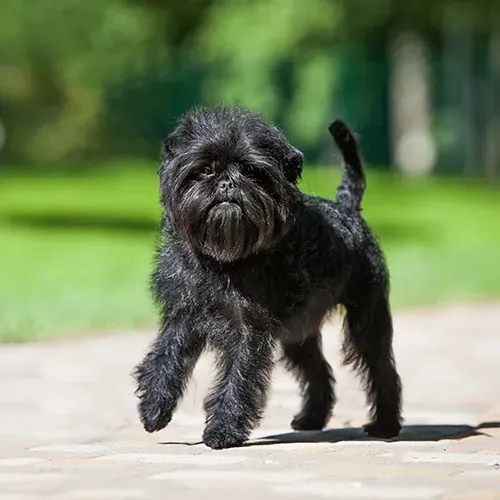
Affenpinscher Facts


Is an Affenpinscher Right for Me?
The Affenpinscher is an ideal choice for families or individuals living in smaller spaces due to its compact size.
Despite its small size, this breed has a big personality and can be a bit sassy at times. Affenpinschers are typically affectionate with their owners but may show an independent streak, so they need structure and training.
This breed's lively and playful characteristics mean they need plenty of mental stimulation, through interactive playtime and walks. While they may get along well with other dogs and pets, they can also be a little possessive or jealous if they feel their space is being invaded.
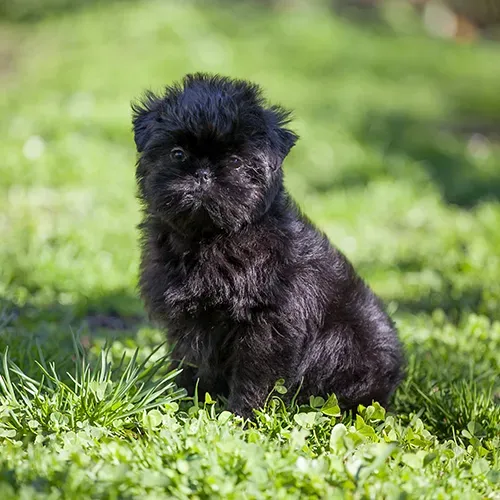
What Are Affenpinscher Puppies Like?
Affenpinscher puppies are small, curious, and full of energy. They're known for their mischievous behaviour, and their puppyhood is full of exploration and play. As with all puppies, early socialisation is essential to help them become confident around new people, dogs, and situations.
Affenpinscher pups can be independent and a little stubborn at times, but they're also intelligent and responsive, making training a rewarding experience when done consistently. Though they may not be as energetic as some larger dogs, they still need regular playtime to stay entertained.
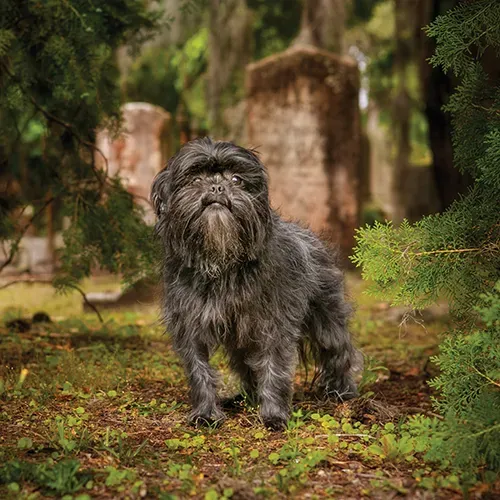
Life with an Affenpinscher
Due to the Affenpinscher's temperament, life with these pups is filled with joy, as they thrive on companionship and attention.
Known for their playful nature, they're always ready to entertain their family members with quirky antics and their charming, almost comical expressions. While they may be small, they're confident and bold, often displaying the assertiveness of larger breeds. These dogs are intelligent and will engage with their owners in various activities, including walks, short play sessions, and cuddle time.
While Affenpinscher dogs are not overly demanding, they are somewhat prone to separation anxiety and may not do well when left alone for long periods.
Caring for Your Affenpinscher
Affenpinschers need a balanced diet provided by high-quality wet and/or dry food formulated for small dog breeds. Portion control is important to avoid obesity, which can affect their joints and overall health.
An Affenpinscher puppy needs food designed for growth and development. Given the breed's small size, they may prefer smaller, more frequent meals. Always ensure your dog has access to fresh, clean water at all times. Avoid feeding them table scraps, as some human foods can be toxic to dogs.
Affenpinschers have a dense and wiry coat, which requires regular brushing, about two to three times a week, to keep it looking its best. While grooming, be sure to check for any tangles or mats, especially around the neck, chest, and legs.
Regular bathing, about once a month, will keep their coat clean. This coat type also requires hand-stripping to maintain its texture, which can be done professionally or with proper guidance. The Kennel Club's breed standards for Affenpinschers state that the hair on their face should be kept longer, creating the "monkey terrier" look.
In addition to coat grooming, make sure to trim their nails every 4-6 weeks, clean their ears regularly, and brush their teeth to maintain good oral hygiene.
The Affenpinscher is an energetic and intelligent dog that benefits from consistent training and mental stimulation.
Despite their independence, they're quite trainable, especially with positive reinforcement techniques. They respond well to treats, praise, and playtime as rewards, making training an enjoyable process.
Affenpinschers are playful dogs, but they don't require excessive amounts of exercise. About 30-45 minutes of playtime or daily walks should suffice to keep them healthy and happy. They thrive when being mentally challenged, so consider interactive toys, puzzle games, and training exercises to keep them engaged.
Affenpinscher Insurance
Everypaw Dog Insurance does more than just cover your vet fees. We want to bring complete peace of mind to you and your pooch.
That's why, if you choose to cover your Affenpinscher with us, you'll also get a host of sweet bonus features like complementary treatment, unlimited access to a qualified UK RCVS vet team, cover for vet fees overseas in the EU, and simple online policy management via the Pet Portal - plus a whole bunch more.
Your Affenpinscher is more than just your dog. He's your treat-seeking missile, resident comedian, comfort blanket at the end of a tough day, and your best friend. So, why not keep them protected with cover that works for you both.
Common Affenpinscher Health Problems by Vetstream
Affenpinschers are generally healthy and resilient, but, like all dogs, they can be prone to certain health conditions. We've teamed up with veterinary experts at Vetstream to provide insights into potential health issues to watch for.
LCPD is a hip joint condition primarily affecting young dogs, especially small breeds. It occurs when the blood supply to the femoral head (the ball of the hip joint) is disrupted, leading to bone degeneration and potential collapse.
This condition causes pain, limping, and stiffness, and if untreated, may result in arthritis or permanent joint damage. Treatment options include rest, medication, and, in severe cases, surgery to relieve pain and restore joint function. Early diagnosis is key to successful management.
A common issue in small breeds, patellar luxation occurs when the kneecap dislocates or slips out of its normal position. This condition can cause pain, limping, and difficulty walking.
Luxating patella can range from mild to severe, with some dogs showing minimal symptoms. Treatment options depend on the severity and may include medication, physical therapy, and, in more severe cases, corrective surgery to stabilise the knee joint.
Affenpinschers are a brachycephalic dog breed. BOAS is a respiratory condition common in flat-faced breeds.
It occurs when tissues in the nose and throat are squashed, creating folds and wrinkles that obstruct the airway. Symptoms include noisy breathing, difficulty breathing, and inability to exercise for long periods.
Treatment may involve weight management, avoiding excessive or high-exertion exercise and avoiding heat. In severe cases, surgery is required to improve airflow. Early diagnosis and intervention can help manage the condition and improve quality of life.
Hip dysplasia in dogs can be inherited, but factors such as exercise, diet, and growth rate can influence its severity. In affected dogs, the hip joint doesn't fit properly, leading to friction between the ball and socket and joint damage. This results in pain, leg weakness, lameness, and eventually arthritis. Treatment may require surgery to smooth the joint surfaces or, in more severe cases, a full hip replacement.

Quick Affenpinscher Q&A
The Affenpinscher is a small toy dog breed known for its "monkey-like" expression, playful demeanour, and rough coat. These dogs are affectionate, energetic and have a bold personality that makes them stand out among other toy breeds.
Affenpinschers are intelligent and can be trained with consistency and positive reinforcement. However, they can also be a bit stubborn, so patience is required. They enjoy mental stimulation, so training sessions can be both fun and rewarding.
Affenpinschers shed very little hair, making them a great option for individuals with mild allergies. Their rough coat needs regular grooming to help manage shedding.
But it's important to note that no dog breed is entirely hypoallergenic.
The average Affenpinscher lifespan is between 12 and 14 years. With proper care, regular vet visits, and a healthy lifestyle, they can live long, happy lives.
That’s All You Need to Know About Affenpinschers
The Affenpinscher is a small dog with a big personality. Their unique appearance, playful nature, and loyalty make them a beloved companion for those who can meet their needs.
While they may be a bit independent, with proper training and socialisation, they make excellent family pets. If you're considering adopting an Affenpinscher, be sure to choose a responsible breeder who adheres to Affenpinscher breed standards and prioritises the health of their dogs.
With the right care and attention, the Affenpinscher can be a wonderful addition to your family.
Content provided from Vetstream's Vetlexicon Canis
Vetlexicon is the world’s largest peer-reviewed online clinical reference source. All our content is written and peer-reviewed by over 1,000 of the world’s leading veterinarians, ensuring relevance, accuracy and quality.
- Vetstream Ltd (online) Affenpinscher. In: Vetlexicon Canis. Vetstream Ltd, UK.
- Vetstream & Rochat M (online) Hip: aseptic femoral head/neck necrosis. In: Vetlexicon Canis. Vetstream Ltd, UK.
- Harari J & Langley-Hobbs S (online) Hip: dysplasia. In: Vetlexicon Canis. Vetstream Ltd, UK.
- Harari J & Arthurs G (online) Patella: medial luxation. In: Vetlexicon Canis. Vetstream Ltd, UK.
- Johnson L, Sammarco J, ter Haar G & Liu N-C (online) Brachycephalic obstructive airway syndrome (BOAS). In: Vetlexicon Canis. Vetstream Ltd, UK.


