Signs and Symptoms of Hypothermia in Rabbits
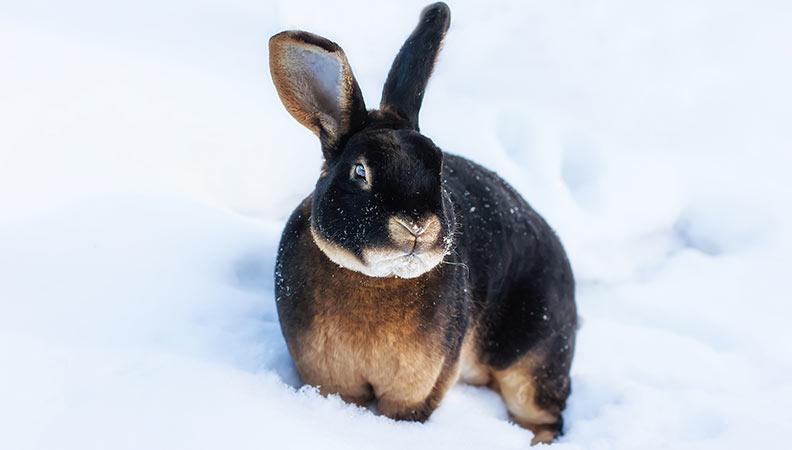
Just like humans, pet rabbits can suffer from hypothermia when their body temperature drops below the normal range for their species.
A healthy rabbit normally maintains a body temperature of about 38.5-40 °C (101-104 °F). When that temperature falls significantly, you're dealing with hypothermia in rabbits - and it's serious.
Can Rabbits Get Hypothermia?
Yes, and when it happens, it's a serious, life-threatening condition. By understanding what causes hypothermia in rabbits, recognising the symptoms, and knowing how to treat it quickly, you can give your pet the best chance of recovery.
Providing warmth, shelter, and good care can prevent rabbit hypothermia altogether - helping your pet stay healthy, happy, and comfortable all year round.
What Causes Hypothermia in Rabbits?
Several factors contribute to the cause of hypothermia in rabbits. A pet rabbit may develop hypothermia if it's exposed to cold, wet, or draughty environments - particularly if housed outdoors without proper acclimatisation or shelter. If a rabbit is suddenly placed outside in colder months, or its housing becomes damp, its temperature can drop rapidly.
Illness and poor health are also common causes of hypothermia in rabbits. Bunnies suffering from severe infections, gastrointestinal stasis, or advanced diarrhoea may have difficulty maintaining body temperature.
Hypothermia in Rabbits and Anaesthesia
Hypothermia in rabbits can be triggered by anaesthesia, as anaesthetic drugs affect the rabbit's ability to regulate heat. This is why underweight animals, neonates, and those recovering from surgery are especially at risk. Rabbits must stay warm before, during, and after surgical procedures.
Signs and Symptoms of Hypothermia in Rabbits
Early recognition of the symptoms of hypothermia in rabbits is key to saving their lives. In the early stages, affected bunnies may appear lethargic and unwilling to move. Their extremities, especially the ears and limbs, feel cool and may look pale due to poor blood circulation.
As the condition progresses, breathing becomes shallow, the heartbeat weakens, and if left untreated, the rabbit may fall into a coma and die. These are critical signs of hypothermia in rabbits, and rapid veterinary attention is essential.
How to Treat Hypothermia in Rabbits
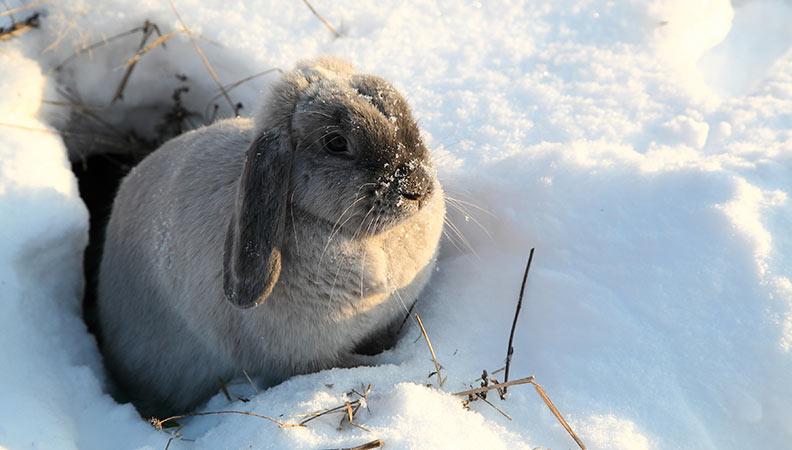
If you suspect your rabbit is cold or unwell, contact your vet immediately. The treatment for hypothermia in rabbits depends on how severely their body temperature has dropped, but warming must always be done gradually and safely.
While travelling to the vet, wrap your rabbit in warm blankets or towels. Take care not to restrict breathing or movement.
First Aid for Hypothermia in Rabbits
If you notice your bunny suffering through the symptoms of hypothermia, there are some things you can do at home to help.
Heating pads or hot water bottles can be used to provide warmth, but they must be wrapped in towels and checked regularly to avoid burns. Bubble wrap can also be placed around the feet and limbs to retain heat.
If using a hair dryer, always keep it on a low setting and at a safe distance to prevent injury. Giving warm spring water to rabbits can help with hypothermia and support hydration and recovery. But only do this if your vet advises it's safe.
At the clinic, rabbit hypothermia treatment usually involves warmed fluids, heat lamps, and careful monitoring until your rabbit's body temperature returns to normal.
Preventing Hypothermia in Rabbits
Preventing hypothermia in rabbits is always better than treatment. Make sure your rabbit's hutch is dry, insulated, and protected from wind, rain, and draughts.
Even rabbits that live outdoors should have solid walls, plenty of bedding such as hay or straw, and a separate sleeping area. It can also be a good idea to cover their home in old blankets to prevent them feeling the worst of the draught. But do make sure that the hutch is still well ventilated.
What's the Best Temperature for Rabbits?
The ideal temperature for a pet rabbit's environment is between 18–21°C (64–70°F). Regularly check that their living area stays within this range, especially in cold weather. During winter, you can think about bringing your rabbit hutch inside. A shed or car-free garage would be fine.
Special care should also be taken with young, elderly, or unwell rabbits, as they are less able to regulate their temperature. For those recovering from surgery or illness, keep them indoors until your vet confirms it's safe for them to go back outside.
Everypaw Rabbit Insurance
Here at Everypaw, we want to help you keep your bunny healthy and in tip top shape. So, when it comes to your young rabbit’s care, Everypaw’s Rabbit Insurance could be just the cover to look after your little thumper.
Content created by Vetstream Vetlexicon - Clinical content for veterinary professionals
Vetlexicon is the world’s largest peer-reviewed online clinical reference source for veterinary professionals. All our content is written and peer-reviewed by over 1,000 of the world’s leading veterinarians, ensuring relevance, accuracy and quality.
- Pellett S & Speight C (online) Hypothermia - low body temperature. In: Vetlexicon Lapis. Vetstream Ltd, UK.
- Pellett S, Baldrey V & Meredith A (online) Hypothermia. In: Vetlexicon Lapis. Vetstream Ltd, UK.


