Our Expert Guide to Brachycephalic Rabbits
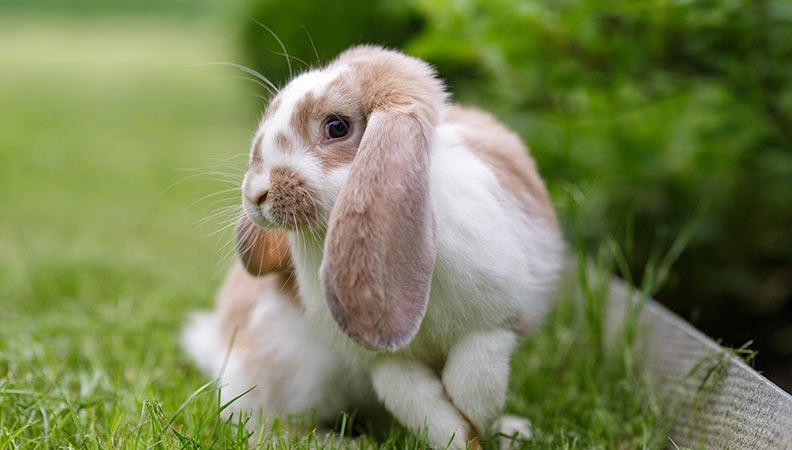
A brachycephalic rabbit has a shortened skull and face. The term brachycephalic literally means "short-headed".
While this trait is most commonly associated with dog breeds such as Pugs or French Bulldogs, brachycephalic rabbits are becoming increasingly common in the pet rabbit world. These rabbits are often described as cute or baby-faced, which has driven their popularity, but the altered skull shape comes with significant health and welfare concerns.
What Does Brachycephalic Mean in Rabbits?
In wild rabbits, the skull is long and narrow, so there's room for normal teeth alignment and normal nasal passages, allowing efficient breathing.
In contrast, brachycephalic rabbits have been selectively bred for shorter faces and rounder heads. This change alters the shape of the jaw, teeth, airways, and tear ducts, often leading to lifelong medical issues.
Brachycephalic features in rabbits are not a disease themselves, but they predispose rabbits to multiple secondary problems that can seriously affect quality of life.
Which Breeds of Rabbit Are Brachycephalic?
Several popular pet breeds fall into the category of brachycephalic rabbit breeds. These include the Netherland Dwarf, Lionhead, and many lop-eared rabbits such as Miniature Lops, Dwarf Lops, German Lops and French Lops.
Over time, breeding for increasingly short noses and rounded heads has made these features more extreme.
Many owners are unaware that their rabbit is brachycephalic, as the traits are considered "normal" for the breed. However, these same traits are closely linked to health problems that can require ongoing management.
Brachycephalic Rabbits and Dental Disease
One of the most serious concerns in brachycephalic rabbits is dental disease. In brachycephalic rabbits, the lower jaw is often longer than the upper jaw. This causes malocclusion, meaning the teeth do not meet correctly. Because rabbits' teeth grow continuously throughout life, poor alignment leads to overgrowth.
These dental problems can prevent normal chewing and cause spurs/sharp points, ulcers on the tongue and cheeks, pain, and difficulty eating. In severe cases, rabbits may stop eating altogether, which can be life-threatening.
Many affected rabbits require repeated dental procedures under general anaesthesia, placing physical and financial strain on both rabbit and owner.
Brachycephalic Rabbits and Nasolacrimal Issues
Another common issue is problems with the nasolacrimal duct. The nasolacrimal duct drains tears from the eye into the nose. In rabbits with shortened skulls, this duct can become compressed or distorted. This often leads to chronic watery eyes, tear overflow, and recurrent infections.
Owners may notice constant eye discharge or damp fur around the eyes. While this may appear minor, ongoing irritation can cause skin damage and discomfort and often requires repeated veterinary treatment.
What Other Issues Are Common in Brachycephalic Rabbits?
Rabbits are obligate nasal breathers, meaning they rely almost entirely on their nose to breathe. A shortened face can reduce the size of the nasal passages, making breathing less efficient.
Brachycephalic rabbit symptoms may include noisy breathing, increased respiratory effort, or mouth breathing during stress or heat. As a result, brachycephalic rabbits are less able to cope with warm temperatures or stressful situations. Heat stress can develop quickly and may become fatal if not addressed promptly.
Ear Conditions in Brachycephalic Rabbits
Many brachycephalic rabbits also have lop-ears. While appealing in appearance, lop ears interfere with normal ear ventilation and movement. Lop-eared rabbits are far more prone to ear infections, wax build-up, and abscesses at the base of the ear.
These infections can progress deep into the ear canal and surrounding structures, sometimes requiring major surgery. Behaviourally, lop ears also reduce a rabbit's ability to communicate through ear position, which may affect social interactions with other rabbits.
Caring for a Brachycephalic Rabbit
If you already have a brachycephalic rabbit, proactive care is essential. A diet extremely high in fibre, with unlimited hay and grass, helps maximise tooth wear, even though it cannot correct structural problems. Regular veterinary checks, particularly dental and eye examinations, are vital.
Provide constant access to shade and cool areas, especially in warmer weather. Lop-eared rabbits should have frequent ear checks at home and by a vet. Rabbit insurance is strongly recommended while rabbits are young, as pre-existing conditions are often excluded later.
What is a Brachycephalic Rabbit's Lifespan?
Owners often wonder about the lifespan of brachycephalic rabbits. There is no single answer, as lifespan depends on symptom severity, the quality of care, and early intervention. Some rabbits live many years with careful management, while others experience repeated painful conditions that significantly reduce quality of life. Chronic dental disease, respiratory stress, and recurrent infections can all shorten lifespan if not well controlled.
The welfare concerns surrounding brachycephalic rabbits raise ethical questions about breeding. While these rabbits are undeniably appealing, their anatomy often predisposes them to pain and chronic illness.
Choosing rabbits with more natural skull shapes helps promote healthier, more resilient pets. Understanding the realities of brachycephalic rabbits allows owners to make informed choices and provide the best possible care for those already affected.
Everypaw Rabbit Insurance
Here at Everypaw, we want to help you keep your bunny healthy and in tip top shape. So, when it comes to your young rabbit’s care, Everypaw’s Rabbit Insurance could be just the cover to look after your little thumper.
Content created by Vetstream Vetlexicon - Clinical content for veterinary professionals
Vetlexicon is the world’s largest peer-reviewed online clinical reference source for veterinary professionals. All our content is written and peer-reviewed by over 1,000 of the world’s leading veterinarians, ensuring relevance, accuracy and quality.
- Vetstream Ltd & Benato L (online) Brachycephalic syndrome. In: Vetlexicon Lapis. Vetstream Ltd, UK.
- Speight C, Purnell E & Hunter K (online) Brachycephalic syndrome. In: Vetlexicon Lapis. Vetstream Ltd, UK.


