Symptoms and Treatment of Overgrown Rabbit Teeth
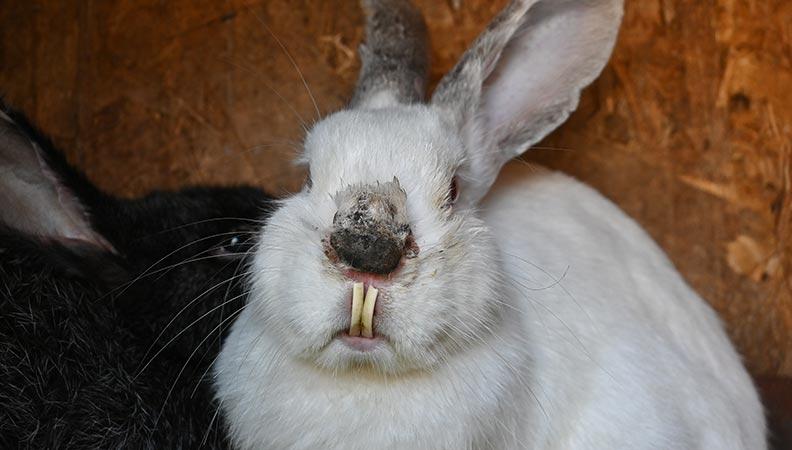
Rabbits' teeth are open-rooted, meaning they constantly grow to match their natural diet in the wild. While wild rabbits wear their teeth down by chewing grass, twigs, and bark, pet rabbits often don't have the same chewing opportunities. That's why overgrown rabbit teeth are a common problem and a serious health issue if not caught early.
If you're dealing with a rabbit with dental problems or simply want to learn more about how to prevent overgrown teeth in rabbits, this article has it all covered.
What Causes Overgrown Teeth in Rabbits?
Rabbits' teeth, both the incisors (front teeth) and molars and premolars (cheek teeth), grow continuously throughout their lives. This tooth growth is normal and healthy when balanced by enough abrasive chewing action.
But if the rabbit isn't wearing them down properly, overgrown molars, overgrown incisors, and even peg teeth (the small teeth behind the upper incisors) can develop.
Common Causes of Overgrown Rabbit Teeth
- Poor diet: Think about what you feed your rabbit. A lack of hay or fibrous material can fail to wear down the teeth.
- Injury or infection: Trauma to the jaw can disrupt alignment or affect how your rabbit's teeth grow.
- Age or illness: Older rabbits may chew less due to arthritis or a general slowing down of their activity.
- Lack of regular checks: If you don't check your rabbit often, subtle changes in eating or grooming habits can go unnoticed.
- Genetics: Some pet rabbits, especially dwarf and lop-eared breeds, are more prone to misaligned jaws. This includes breeds like the Netherland Dwarf, Miniature Lops, Dwarf Lops, French Lops, German Lops and more.
Dental Malocclusion in Rabbits
One of the most common causes of overgrown teeth in rabbits is dental malocclusion, where the upper and lower teeth don't meet correctly. This prevents normal wear and can quickly lead to sharp edges forming, which can cut into the rabbit's mouth, cheeks, or tongue.
Dental malocclusion in rabbits may be inherited, such as in cases of mandibular prognathism (where the lower jaw protrudes) or brachygnathism (shortened upper jaw), and rabbits with these traits should not be used for breeding.
How to Tell If a Rabbit's Teeth Are Overgrown
Some symptoms of overgrown teeth in rabbits include drooling, reduced appetite, weight loss, facial swelling, tear staining, and a reluctance to groom or eat hay. Some rabbits will grind their teeth (a sign of pain), or they may even stop eating altogether.
Tooth roots can grow into the jaw or near the eyes, leading to facial abscesses, jaw swelling, and blocked tear ducts. This can cause persistent tear overflow, increasing the risk of fly strike and facial infections.
All these symptoms are serious red flags that your rabbit might have overgrown teeth or another dental disease, and they require urgent veterinary support.
Treatment for Overgrown Teeth in Rabbits
If your rabbit's teeth are overgrown, a vet visit is essential. A thorough exam of the rabbit's mouth will allow your vet to diagnose the extent of the problem. Sedation is often needed to get a good look at the cheek teeth and peg teeth.
Treatment for overgrown teeth in rabbits can include:
- Burring or filing the teeth using dental tools.
- Extracting severely misaligned or infected teeth.
- Prescribing pain relief, antibiotics, and supportive feeding to help recovery.
- In some long-term cases, repeated dental work may be needed every few weeks or months.
- Some cases involve complex surgery or referral to a specialist.
If your rabbit has stopped eating, they may need to be syringe-fed until they're able to eat on their own again. Recovery also includes managing any secondary problems, such as abscesses, ulcers, or gastrointestinal stasis, which can develop rapidly when a rabbit stops eating.
Can You Cut Rabbit's Teeth?
Never try to treat overgrown rabbit teeth at home using nail clippers or cutters – this can cause the tooth to splinter or shatter, leading to root infections, abscesses, or worse. Only trained professionals, with the correct dental equipment, can perform safe and effective dental work.
How to Prevent Overgrown Teeth in Rabbits
The best way to avoid teeth problems is by mimicking the natural habits of wild rabbits. This means offering unlimited access to good-quality hay, which is essential for maintaining healthy tooth wear. Hay encourages the long, slow chewing action needed to grind down teeth evenly.
Tips for Preventing Overgrown Teeth in Rabbits
Overgrown rabbit teeth are a serious health concern, but with good care and attention, they are often preventable. Always remember that your rabbit's teeth continuously grow, and without proper wear, issues can develop quickly.
- Feed 85-90% hay (like timothy, orchard grass, or meadow hay).
- Offer leafy greens daily to stimulate chewing and provide nutrients.
- Limit pellets to a small portion of the diet – too many pellets can reduce hay intake.
- Avoid muesli-style mixes that promote selective feeding, which can cause nutritional imbalances, especially a calcium-to-phosphorus ratio that affects tooth stability.
- Avoid sweet treats, fruit, or soft foods that don't encourage chewing.
- Provide safe chew toys and tunnels for enrichment, although diet is far more important.
- Regularly check your rabbit for any signs of pain, drooling, or reluctance to eat.
- Schedule dental check-ups with your vet – especially for breeds prone to dental disease or rabbits with a history of dental issues.
Even with excellent care, some rabbits may still develop dental malocclusion or other dental disease due to genetics or old age. For rabbits with dental issues, ongoing monitoring and treatment may be part of their long-term care plan.
Preventing Overgrown Rabbit Teeth at Home
For rabbits with dental issues, ongoing monitoring and treatment may be part of their long-term care plan. But providing a fibre-rich diet full of hay, regularly checking your rabbit, and ensuring proper vet care can go a long way in preventing tooth growth issues.
If you notice any changes in eating habits, grooming, or general behaviour, get your rabbit checked quickly – early treatment can prevent more serious complications.
Dental disease in rabbits can be painful, but your rabbit doesn't have to suffer. With awareness and preventive care, you can help your rabbit live a happy, healthy life. If you're ever in doubt about rabbits with overgrown teeth, always speak to your vet.
Everypaw Rabbit Insurance
Here at Everypaw, we want to help you keep your bunny healthy and in tip top shape. So, when it comes to your rabbit’s care, Everypaw’s Rabbit Insurance could be just the cover to look after your little thumper.
Content provided from Vetstream's Vetlexicon Lapis
Vetlexicon is the world’s largest peer-reviewed online clinical reference source. All our content is written and peer-reviewed by over 1,000 of the world’s leading veterinarians, ensuring relevance, accuracy and quality.
- Baldrey V, Girling A & McIntyre S (online) Dental malocclusion / overgrowth. In: Vetlexicon Lapis. Vetstream Ltd, UK.
- Vetstream Ltd & Claire Speight (online) Teeth problems – overgrowth. In: Vetlexicon Lapis. Vetstream Ltd, UK.


