Everything You Need to Know About Bladder Stones in Cats
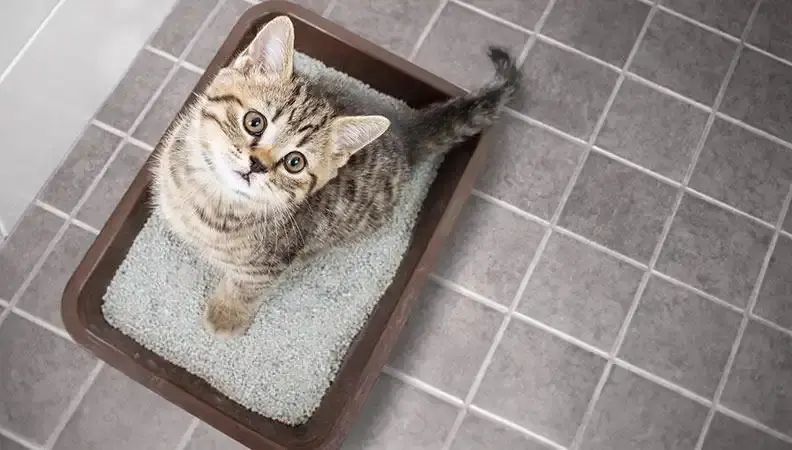
Bladder stones in cats occur when minerals naturally present in urine accumulate and harden. Stone formation can vary in mineral composition, size, colour, and appearance, and can occur anywhere along the urinary tract.
Just as there's variability in types of bladder stones, there's also a wide spectrum of symptoms of bladder stones in cats. It's important to monitor your cat closely because bladder stones can cause serious, even life-threatening, conditions if they obstruct the outflow of urine from the bladder.
If your cat shows any changes in urination habits or patterns, it's important to get your cat checked by your vet quickly to rule out or address more serious conditions.
What Are the Symptoms of Bladder Stones in Cats?
There are lots of symptoms of bladder stones that cats may show. The most common signs include straining to urinate, frequent urination, and blood in urine. You may find that the symptoms are more subtle, such as your cat urinating outside the litter box, more frequent trips to the litter box, or urinating in unusual locations.
Bladder Stones and UTIs in Cats
Sometimes, repeated occurrences of a urinary tract infection in cats can indicate an underlying cause, such as stones or crystals forming in the urinary tract of your cat.
Due to the anatomy of the male cat's urinary tract, bladder stones in male cats can cause an obstruction to the outflow of urine. This is a very serious condition because back pressure can cause damage to the kidneys. Bladder pressure can cause rupture, and pressure on the kidneys can lead to electrolyte imbalances.
What Are the Signs of Bladder Blockages in Cats?
Bladder stones in female cats can make them ill and painful, but are less commonly associated with bladder blockage. Signs of a blocked bladder are similar to the symptoms of bladder stones, such as:
- Straining to urinate
- Frequent trips to the litter tray,
- Vomiting
- Overgrooming their genitals
- Lethargy
- Pain around the abdomen
- Failing to pass urine, and crying
What Are the Causes of Bladder Stones in Cats?
Commonly, a cat gets bladder stones due to an underlying cause. Usually, this is due to an imbalance of the minerals and pH (acidity or alkalinity) of the urine. Factors that influence the formation of stones include genetic predisposition in both female cats and male cats, underlying disease, urinary tract infections and diet.
Struvite Stones Vs. Calcium Stones
The two most common types of stones are struvite stones and calcium oxalate stones. While Oriental and foreign shorthair cats are at a higher risk of being affected by struvite stones, different breeds are more likely to be affected by calcium stones, these include:
Middle-aged cats are more commonly affected, while overweight, sedentary, and neutered cats are also at increased risk of developing bladder stones.
How Are Bladder Stones in Cats Diagnosed?
Diagnosing bladder stones in cats usually begins with a clinical examination and palpation of the bladder, kidneys, and abdomen. Sometimes your vet can feel stones in the bladder or a thickened bladder wall; sometimes the kidneys may feel enlarged or irregular.
If your vet is suspicious of bladder stones, they will likely recommend further testing. Your vet is likely to recommend blood and urine tests to determine how well the kidneys are functioning and screen for signs of infection. It's likely they'll then recommend either an X-ray or an ultrasound scan.
Not all types of stones show up on X-rays, so sometimes your vet will need to add some special fluid, called contrast medium, into the bladder to highlight stones that do not show on X-rays. Your vet will need to send the stones away to a laboratory for testing to determine what type of stones they are.
If your vet is concerned that the bladder outflow is obstructed, they'll be able to feel the enlarged bladder, and it will likely be very painful to palpate. If your vet suspects the bladder is blocked, this is an emergency, and they'll need to act immediately to reduce the pressure on the bladder.
How to Treat Bladder Stones in Cats?
Treatments for bladder stones in cats vary depending on the type of stone and its location. Stones that block the flow of urine need immediate treatment.
Usually, a urinary catheter is placed to relieve the pressure on the bladder wall and the back pressure on the kidneys, and intravenous fluid therapy is started to support the function of the kidneys.
Stones that have formed in the tubes that lead from the kidney to the bladder will normally require surgery, and often this needs to be performed by a specialist.
What to Do About Unobstructive Stones?
Cats with stones in the bladder or urethra, that are not causing an obstruction, are managed according to the type of stone.
Struvite bladder stones in cats can respond well to urine acidification, which is a quite natural way to dissolve bladder stones; this is usually achieved using specific prescription diets that your vet will discuss with you, balanced with the correct minerals. It's also important to treat any urinary tract infections.
Surgical removal of bladder stones in cats is more commonly needed for calcium oxalate stones, as these cannot be dissolved by altering urine pH or composition. This may be through abdominal surgery, flushing, or breaking down the stones using laser treatment. It's also important to treat high calcium levels if present and to ensure the diet has an optimal mineral composition.
How to Prevent Bladder Stones in Cats?
Preventing bladder stones in cats and preventing their recurrence are very important.
For all types of stones, it's important to ensure your cat is a healthy weight, drinks plenty, stays active and is encouraged to use the litter tray frequently. Ruling out urinary tract infections is also crucial.
Clean litter trays, in multiple locations, can encourage more frequent urination habits. Fluid intake can be increased through the use of drinking fountains and wet food. A correct diet is also important for maintaining an optimal urine pH and mineral composition.
Bladder stones in cats can have serious consequences for your cat's health if they cause a blockage to the bladder. If at all concerned, it's important to get your cat checked by a vet immediately. With the right treatment and preventive measures, your cat can often make a full recovery and have a long, happy life. Maintaining a healthy weight and keeping your cat active are important for preventing bladder stones.
Everypaw Cat Insurance
Everypaw's Cat Insurance comes with 24/7 unlimited access to vets and vet nurses that can help with your pet's health, care, nutrition and behaviour. So you can rest assured your kitty will be well looked after.
Content created by Vetstream Vetlexicon - Clinical content for veterinary professionals
Vetlexicon is the world’s largest peer-reviewed online clinical reference source for veterinary professionals. All our content is written and peer-reviewed by over 1,000 of the world’s leading veterinarians, ensuring relevance, accuracy and quality.
- Taylor S, Watson P, Geddes R & Vetstream Ltd (online) Urolithiasis. In: Vetlexicon Felis. Vetstream Ltd, UK.
- Vetfolio & Vetstream Ltd (online) Bladder and kidney stones. In: Vetlexicon Felis. Vetstream Ltd, UK.


