Our Guide to Cat Diets and Food for Fussy Cats
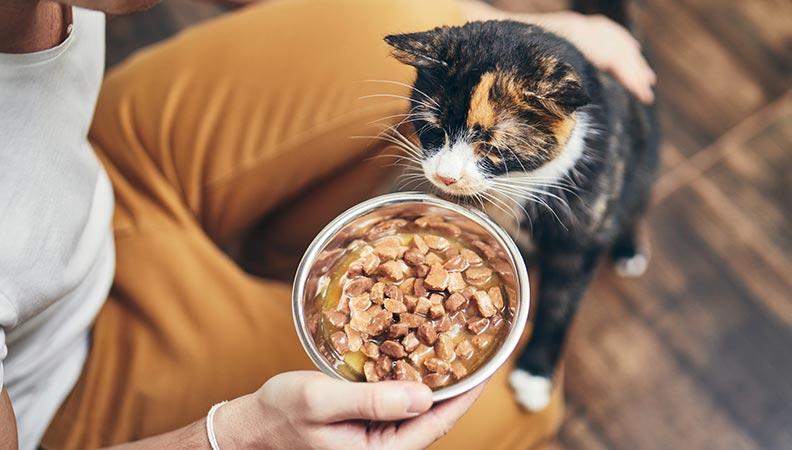
Cats are obligate carnivores. They're completely dependent on meat, unlike dogs, who can eat a variety of foods. Cats require a diet high in protein to get all the nutrients they need to survive.
They need animal fat for energy and some essential vitamins. Fat also gives the food a nice texture and yummy flavour, which is very appealing to most cats.
So, you may be wondering why some cats are picky if they're being fed a correct, balanced diet, and what to feed a picky cat. Well, we've tried to answer all your questions here!
What is the Best Cat Diet?
Most importantly, you need to feed your cat a balanced diet. There are lots of different types of foods available in pet shops that will suit all of your furry friend's dietary needs.
Well-known brands contain ingredients formulated to give your cat everything they need, and most cats love them. But as we all know, there are always exceptions to the rules!
Feeding a fussy eater can be tricky, but it is possible.
Why is My Cat Fussy When it Comes to Mealtimes?
Most types of cats will be happy to eat whatever they're given, but some can be a bit more particular. Like us, they all have their favourite types of food, but generally, they enjoy a varied diet. However, it's not uncommon for a cat to go without if they don't like the food you've given them!
But is your cat just being fussy, or are there other underlying issues or health problems that are stopping them from eating their dinner? It's important to get to the bottom of any eating issues quickly so your cat doesn't start losing weight, which could cause further problems.
If your cat isn't feeling very well or is stressed, they'll soon go off their food. Even if you give them their favourite treat, they're likely to turn their nose up at it and leave it. If your cat suddenly starts being fussy with their food and hasn't eaten or has eaten significantly less for a few days, take them to see the vet for a check-up to make sure they're healthy before drawing any other conclusions.
If your vet has given your cat a clean bill of health, how can you make your fussy cat eat again? First of all, you need to work out why they're being so fussy or refusing to eat completely. Then, you can start making some changes to encourage your cat to start eating properly again.
9 Reasons for Your Cat's Mealtime Fussiness
Here are some common reasons why your cat may be fussy with their food:
- They don't like the location of their food bowl
- Food has gone cold
- Stale or bad food
- Stress
- Illness
- Medication
- They have learned the behaviour or developed an aversion to food
- They don't like the new food
- Age
Now let's take a look at each of those reasons in more detail to unpick what could be getting to your kitty and causing their eating irregularities.
1. Food Bowl Location
A simple thing like this can cause a real problem, but it can usually be fixed pretty quickly by moving their bowl somewhere else. They'll soon start digging in again if this was the problem.
Some cats dislike having their food bowl too close to their litter tray or prefer not to be fed near other pets in the home. Try moving their bowl to a different place and see if it makes a difference.
2. They Don't Like Cold Food
Generally, cats prefer their food to be at body temperature (or at least at room temperature). That's around 38°C or 101°F… to them, this means the food is fresh - in the wild, a freshly caught rabbit or bird will be exactly that! So, don't give your cat food that has just come out of the fridge. Try warming up their food to make it more palatable.
3. They Don't Like Stale or Bad Food
You may think that a bit of dry cat food that's a few weeks out of date would be fine, but some cats just won't eat stale food or food that looks or smells "off". They're not being fussy; they're just being sensible. Avoid feeding your cat any old food or food that has become spoiled. Freshness is the way forward.
4. They're stressed
This could be because they're ill and just aren't feeling themselves, or you may have introduced a new pet into your home or recently moved house.
A stressed cat may seem like they're being fussy, but they're just telling you that something isn't quite right or they're feeling unsettled.
When your cat is feeling better, their appetite should return. As with other issues, if the reason your cat is feeling stressed is removed or dealt with, their appetite should return to normal pretty quickly.
5. Are They Ill?
Medical conditions can cause a sudden change in appetite. Health issues such as kidney disease, dental disease, metabolic disorders, infections, and stomach conditions can all lead to a reduced appetite.
Hopefully, with treatment, your cat's appetite will return. However, if you're concerned that your cat isn't eating enough, it's best to speak with your vet.
6. Side Effects of Cat Medication
Unfortunately, some cat medications don't taste very nice and can make your cat feel a bit unwell, which may cause them to lose their appetite. Ask your vet for advice if you think your cat's medication is stopping them from eating very much.
A side effect of some vaccinations can include loss of appetite. This is normal and will only last for a short period after your cat has been vaccinated. If they continue to be picky or refuse to eat, speak to your vet.
7. They've Developed An Aversion to Food
Over time, your cat may have learnt to associate food with a bad experience, like feeling sick, being in pain, or spending time in the vet clinic, for example. These learnt behaviours can be tricky to overcome. It's a good idea to speak with your vet or a veterinary behaviourist to help your cat overcome these associations
8. They Don't Like a New Food
If you change your cat's food or are switching to adult cat food from kitten food, this change needs to be done slowly.
Replace some of the old food with small amounts of new food, and gradually increase the new food a bit at a time over a week or two. If a new food is introduced too quickly, they could stop eating completely. It can take a very long time for cats to adjust to a new type of food, so take it slowly!
9. They're Old
As your cat ages, they become less active, use less energy and may struggle to digest their food and absorb nutrients properly. It may seem like they're being fussy, but as a cat ages, they just don't eat as much as they used to.
If you're struggling to get your older cat to eat enough, try feeding them a specially formulated geriatric diet to make sure they're getting all the necessary nutrients. Don't forget to introduce the new food slowly to avoid any tummy upsets.
Why is My Cat So Picky About Wet Food?
Most cats enjoy wet cat food. If you do feed any moist or wet food, remove any that your cat doesn't eat, because if it starts to go off, it will just put your cat off eating even more.
Wet food also contains gravy, jelly or pate. Your cat may have a preference, but mixing the food together and adding some warm water to it may make it more appealing. If you have tried this and your cat is still being picky about wet food, try adding some dry cat biscuits to it. If your cat is still not very enthusiastic about wet food, try changing it to another diet.
What is the Best Cat Food for Fussy Cats?
It can be challenging to determine what to feed a fussy cat, but with a bit of time, patience, and trial and error, it's possible to get them eating properly.
If your cat doesn't like wet food, try a mixture of wet and dry, or just dry food. Another option is to try feeding a strong-smelling, tasty food, such as tinned tuna, sardines, or freshly cooked chicken. Only give small quantities, though, to avoid an upset stomach. Or simply add the liquid from these foods to their regular food to see if it encourages them to eat.
As tempting as it may be to add some of your own tasty dinner to your cat's bowl, you should avoid this, as some human foods can make a cat very ill. For example, gravy could contain onions, which are toxic, dairy products, as most cats are lactose intolerant, cooked bones, as they become soft, splinter and can get stuck in their throat.
Will a Picky Cat Eventually Eat?
Yes! It's just a case of working out why they're being picky. It may be a process of elimination, but once you've worked out why your cat is being picky, they'll soon start eating again.
It may be a quick fix or a longer process, and your cat will gradually start eating, depending on why they were being picky in the first place. Be patient, work with them, and you'll soon have them eating you out of house and home again!
Having a fussy cat can cause stress to both you and your cat. Get your cat checked over at the vets to make sure they're fit and healthy before making any changes to their diet.
Feeding a balanced diet is crucial, and there are numerous commercial options available for you to try. If your cat is still being picky, try offering them some really tasty foods for fussy cats, such as tuna or chicken, to tempt them to eat. However, be sure to make any dietary changes gradually to prevent an upset stomach.
Everypaw Cat Insurance
Everypaw's Cat Insurance comes with 24/7 unlimited access to vets and vet nurses that can help with your pet's health, care, nutrition and behaviour. So you can rest assured your kitty will be well looked after.
Content created by Vetstream Vetlexicon - Clinical content for veterinary professionals
Vetlexicon is the world’s largest peer-reviewed online clinical reference source for veterinary professionals. All our content is written and peer-reviewed by over 1,000 of the world’s leading veterinarians, ensuring relevance, accuracy and quality.
- Kathrani K, German A & Fear Free (online) Anorexia - what to do when your cat won't eat. In: Vetlexicon Felis. Vetstream Ltd, UK.
- Vetstream Ltd & Fear Free (online) Feeding your Cat. In: Vetlexicon Felis. Vetstream Ltd, UK.


