A Guide to Feline Lower Urinary Tract Disease (FLUTD)
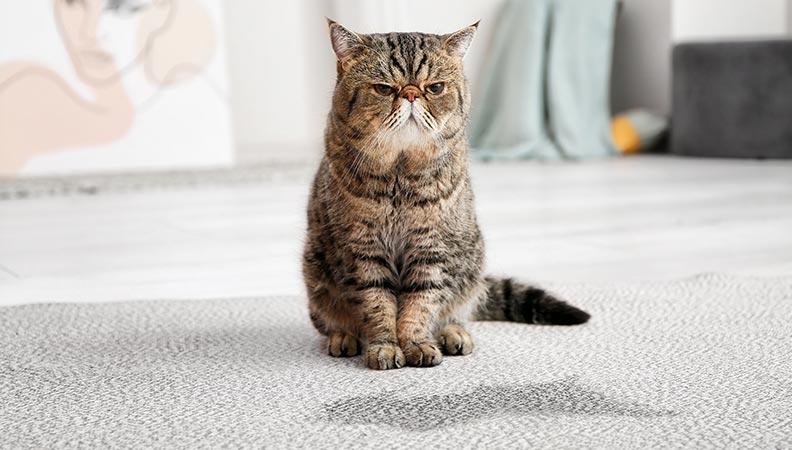
Feline lower urinary tract disease (FLUTD) is a common condition in cats with a variety of possible causes. It can lead to serious health problems and, in some cases, life-threatening complications.
Recognising feline lower urinary tract disease symptoms early is essential to prevent progression. If your cat is showing any signs of FLUTD, such as straining to urinate, changes in litter box habits, or house soiling, book a veterinary check-up as soon as possible.
If your cat is very unwell, unable to pass urine, off food, or appears dull or depressed, this may be a medical emergency requiring urgent veterinary care.
What is Feline Lower Urinary Tract Disease?
FLUTD refers to a group of conditions that impact the bladder and/or urethra in cats. While the specific cause may vary, these conditions all produce similar clinical signs such as difficulty urinating, increased litter box use, and house soiling.
Because the symptoms of feline FLUTD often overlap regardless of the underlying issue, diagnosis requires veterinary examination and testing.
Understanding what feline lower urinary tract disease is the first step toward identifying cat FLUTD symptoms early and seeking timely, appropriate care to protect your pet's health.
What Causes FLUTD in Cats?
There are many possible causes of feline lower urinary tract disease, but the most common is idiopathic FLUTD (iFLUTD), meaning bladder inflammation without an identifiable cause.
This form, often linked to feline idiopathic cystitis (FIC), may be triggered by stress, viral infections, or other unknown factors.
Other causes of FLUTD in cats include:
- Bladder stones
- Urinary crystals or sediment
- Urethral plugs
- Bacterial urinary tract infections (UTIs)
- Anatomical abnormalities
- Tumours
Because these conditions can cause similar symptoms, identifying the underlying cause is essential for effective treatment.
What are Feline Lower Urinary Tract Disease Symptoms?
Cat FLUTD symptoms can vary, but common signs include straining to urinate, blood in the urine, urinating outside the litter box, and house soiling.
Affected cats may visit the litter box more often, spend longer trying to urinate, or show behavioural changes such as lethargy, irritability, or aggression.
In severe cases, a cat may strain without passing urine; this is a medical emergency. If you notice any symptoms of feline lower urinary tract disease, contact your vet promptly for assessment and treatment.
Which Cats are at an Increased Risk of Developing FLUTD?
Several risk factors can increase a cat's likelihood of developing feline lower urinary tract disease. Cats that are overweight, consume mainly dry food, live indoors with limited environmental enrichment, or are prone to stress are at greater risk.
Idiopathic FLUTD is more commonly seen in young to middle-aged cats. Whereas other causes, such as bacterial infections or bladder tumours, are more often diagnosed in older cats, particularly when underlying conditions like kidney disease, diabetes mellitus, or hyperthyroidism are present. These risk factors increase your cat's risk of developing FLUTD, especially when multiple factors are present.
Persian and Himalayan cats have a higher risk of developing calcium oxalate crystals, sediment, and bladder stones. Additionally, in many breeds, struvite crystals can also form in the urine, contributing to irritation and inflammation. These crystals and stones damage the lining of the bladder and urethra, and stones may cause urethral obstruction - a blockage that is much more common in male cats and very rare in females.
Urethral obstruction is a life-threatening medical emergency, as it can quickly lead to electrolyte imbalances, bladder rupture, and kidney failure. Cats that have experienced FLUTD are more likely to have recurrent episodes, especially if the condition is not properly managed.
How to Test for FLUTD
Any cat showing clinical symptoms of FLUTD should have a full check-up with their vet as soon as possible. During the visit, your vet will perform a full clinical examination and may request a urine sample for testing.
This sample may be collected directly from your cat or obtained by catching urine in non-absorbent litter, either at home or in the clinic. If collecting at home, the urine should be delivered to the vet within two hours of your cat urinating, to ensure accurate results.
In some cases, the urine sample may be sent to an external laboratory for more detailed analysis. Your vet may also recommend blood tests to assess kidney function and imaging, such as X-rays or ultrasound, to check for bladder stones or sediment.
How to Treat Feline Lower Urinary Tract Disease
Your vet will guide you on treatment based on the test results. There's no single treatment for FLUTD due to the number of possible causes. Pain relief is often necessary to keep your cat comfortable. If there's evidence of bacterial cystitis, your vet will likely start antibiotic treatment, depending on test results. In some cases, medication to reduce inflammation along the urinary tract is also needed.
If your cat is unable to urinate, your vet will want to relieve the pressure on the bladder as a matter of urgency. This is usually performed under sedation or anaesthesia. Often, a catheter is placed into the bladder to allow the urine to flow out. Intravenous fluids may also be administered to support kidney function, especially if your cat is very unwell.
Many cats affected by FLUTD will need to start a specific diet to support the urinary tract. The best food for cats with FLUTD depends on the urine test results. There are numerous feline lower urinary tract disease diets, and your vet will guide you on which diet is most appropriate for your cat's needs.
Can I Do Anything to Prevent My Cat from Getting FLUTD?
To help prevent or reduce the recurrence of FLUTD, feed your cat wet food, maintain a healthy body weight, and encourage regular activity.
Reducing stress is also important - this can be supported by using pheromone diffusers in your cat's favourite spaces or anxiety-reducing supplements. In multi-cat households, providing multiple litter boxes can reduce stress and further lower the risk of FLUTD.
What is the Prognosis for Cats with FLUTD?
The FLUTD cat's life expectancy depends largely on the underlying cause and how promptly treatment begins. Many cats respond well to treatment with medication and a specialised diet, often making a full recovery and returning to a normal life.
But severe cases such as bladder tumours may reduce life expectancy, and it may be necessary for an FLUTD cat to be put to sleep to prevent further suffering.
Cats with bacterial cystitis or bladder stones typically recover well, though regular urine testing is important to monitor the condition. Because FLUTD symptoms often recur, close monitoring and follow-up testing are essential to managing your cat's health.
Feline lower urinary tract disease (FLUTD) is a common but potentially serious condition. Certain factors can increase the risk of FLUTD, so early recognition of cat FLUTD symptoms and prompt veterinary care are essential, especially in life-threatening cases like urethral obstruction.
While recurrence is common, many FLUTD cats respond well to treatment, including dietary changes, stress management, and medications. Your vet will guide you on treatment and recommend the best food for cats with FLUTD. With ongoing care and monitoring, most affected cats can live a comfortable, healthy life.
Everypaw Cat Insurance
Everypaw's Cat Insurance comes with 24/7 unlimited access to vets and vet nurses that can help with your pet's health, care, nutrition and behaviour. So you can rest assured your kitty will be well looked after.
Content created by Vetstream Vetlexicon - Clinical content for veterinary professionals
Vetlexicon is the world’s largest peer-reviewed online clinical reference source for veterinary professionals. All our content is written and peer-reviewed by over 1,000 of the world’s leading veterinarians, ensuring relevance, accuracy and quality.
- Cannon M, Gunne-Moore D, Mardell E & Korman R (online) Feline lower urinary tract disease (FLUTD). In: Vetlexicon Felis. Vetstream Ltd, UK.


