Bedlington Terrier Insurance, Care and Health Advice
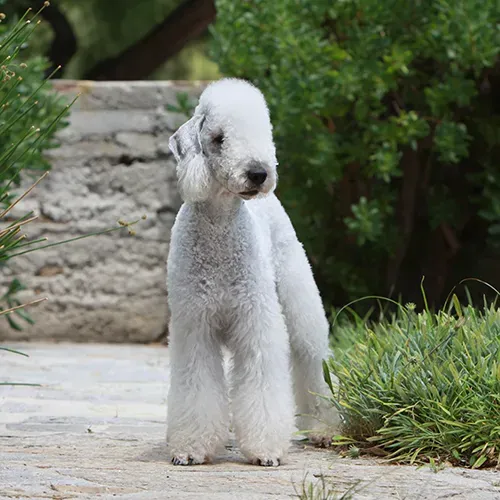
Cute, curly and full of playful enthusiasm, the Bedlington Terrier is a distinctive dog breed, originally bred in Northumberland, England, for hunting and vermin control. Known for their lamb-like appearance, these pups are energetic, affectionate, and make loyal companions. Discover helpful care tips, health advice and information on day-to-day life with these pooches including dietary requirements and exercise needs in our comprehensive breed guide.
Bedlington Terrier Facts


Is a Bedlington Terrier Right for Me?
Bedlington Terriers are well-suited to owners who enjoy an active lifestyle and can offer regular companionship. Their adaptable nature means they can live happily in both city and rural settings, provided they get enough exercise and stimulation.
This breed thrives in homes where they're included in daily routines. They love having a purpose and benefit from consistent training. They tend to get along well with older children and can live peacefully with other pets if socialised early.
If you're looking for a distinctive pooch with a bold personality, playful spirit, and moderate grooming needs, then look no further than this dog breed.
Bedlington Terrier colours include blue, liver, and sandy, sometimes with tan markings. Their unique coat and build make them stand out from other terriers. Compact yet athletic, they adapt well to various living environments and, despite their soft appearance, they're spirited and alert. With proper care, grooming, and training, they make wonderful family pets.
What Are Bedlington Terrier Puppies Like?
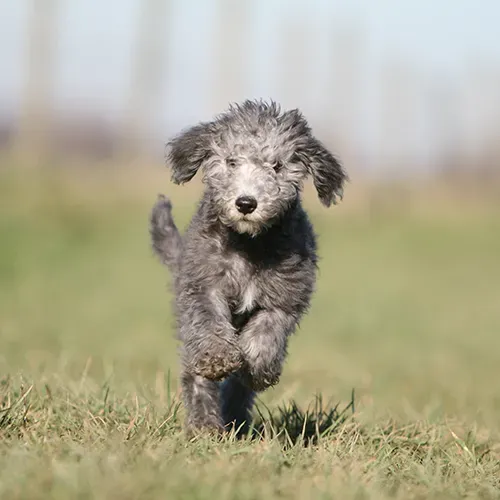
Bedlington Terrier puppies are curious, energetic, and full of character. They can be bold and mischievous, with a playful streak that keeps their owners on their toes. Though affectionate with their family, they can be stubborn, so it's worth starting training and setting boundaries early.
Their terrier instincts are strong, and they may have a natural drive to chase or dig. Raising a Bedlington Terrier puppy requires time, consistency, and a sense of humour - but in return, you'll have a bright and entertaining companion who matures into a confident and loyal adult.

Life with a Bedlington Terrier
If you're wondering, 'Are Bedlington Terriers affectionate?', the answer is yes!
A Bedlington Terrier's temperament is playful and affectionate. They enjoy being involved in whatever their family is doing, whether it's a long countryside walk or a quiet evening indoors.
Despite their refined appearance, these loveable pups are true terriers at heart. Give them a chance to play, chase, and explore, and they'll grab it with both paws. In fact, people are often surprised by their speed and agility.
They're generally good with people and can live happily with other dogs if raised with them, though their prey drive means care is needed around smaller pets.
Caring for Your Bedlington Terrier
Feeding your Bedlington Terrier requires a balanced diet tailored to their individual needs. Portion control is essential to prevent unwanted weight gain, so be sure to follow the feeding guidelines on the food packaging and weigh their meals carefully.
Adults typically thrive on two meals a day, while puppies benefit from smaller, more frequent meals to support healthy development.
Choosing high-quality food with sufficient protein helps maintain their lean physique and shiny coat. Fresh water should always be available to keep them well hydrated.
Their unique, curly coat requires regular grooming to stay healthy and neat. Their coat doesn't shed much but grows continuously, so professional trimming every 6 to 8 weeks is essential to maintain their signature look.
Weekly brushing helps prevent mats and tangles, especially around the ears and legs. Regular nail trims and dental care are important to keep your pup comfortable and healthy. Proper grooming also helps highlight the breed's beautiful colours, which range from blue to sandy and liver.
Bedlington Terriers are intelligent and energetic dogs that benefit from consistent, positive training methods. Early socialisation helps them become well-rounded adults.
Daily exercise is vital - aim for at least 60 minutes combining walks, playtime, and opportunities to run safely off-lead. Without enough mental and physical activity, Bedlington Terriers can become bored and develop unwanted behaviours, so keeping them engaged is key to a happy, healthy dog.
Bedlington Terrier Insurance
Your Bedlington Terrier's fun-loving and adventurous qualities are part of the reason you adore them. But they can also mean that your curly bundle of energy gets into their fair share of mischief. That's why it's a good idea to think about getting them covered with pet insurance.
Everypaw's Dog Insurance comes in a range of levels, so you choose the perfect cover to suit you and your playful pooch. But we're about more than just helping towards those expnsive vet bills.
All our policies come with a range of additional benefits, from complementary treatment to 24/7 access to an experienced vet team with PawSquad. So you can be sure that those precious paws are in good hands.
Common Bedlington Terrier Health Problems by Vetstream
In partnership with veterinary experts at Vetstream, we've outlined the key common health issues in the Bedlington Terrier. Knowing these helps with early detection and keeping your dog healthy through regular vet care and responsible breeding.
Copper toxicosis is a hereditary condition where copper accumulates excessively in the liver, leading to liver damage.
Symptoms include lethargy, vomiting, jaundice, and weight loss. Early detection through blood tests is vital. While there is no cure, management includes a low-copper diet, medications to remove excess copper, and regular veterinary monitoring.
With proper care, many dogs with copper toxicosis live a good quality life despite this condition.
Retinal dysplasia is an inherited eye disorder that affects the retina's development, leading to abnormal tissue growth. It can lead to impaired vision or blindness.
Symptoms range from mild vision problems to complete blindness. There is no cure, but early diagnosis via veterinary eye exams can help owners manage the condition and adapt their dog's environment to support a good quality of life.
Renal cortical hypoplasia is a developmental kidney disorder where the kidney cortex is underdeveloped, reducing kidney function.
Signs include increased thirst, frequent urination, and lethargy. The condition can lead to chronic kidney disease. While there is no cure, supportive treatments like dietary management and medication can help slow progression and improve quality of life. Early diagnosis is important for proper care.
Distichiasis is an eyelid abnormality where extra eyelashes grow inward, irritating the eye surface. Symptoms include redness, excessive tearing, and discomfort.
If left untreated, it can cause corneal ulcers or infections. Treatment ranges from regular eye care to surgical removal of excess lashes in severe cases. Early veterinary attention helps prevent complications and keeps your dog comfortable.

Quick Bedlington Terrier Q&A
Bedlington Terriers are affectionate and loyal companions who enjoy being part of a family. Their playful and energetic nature makes them a great fit for households that can provide attention and activity.
Bedlington Terriers shed very little thanks to their unique curly coat. They are considered low shedders, making them good breeds of dog for people who prefer minimal pup hair around the home.
Bedlington Terrier dogs are not completely hypoallergenic, but are often better tolerated by allergy sufferers due to their low-shedding coat. Regular grooming helps reduce allergens but doesn't eliminate them.
Yes, Bedlington Terriers make good pets for active owners who can provide exercise and attention. Their intelligence and affectionate temperament make them rewarding companions.
Bedlington Terriers are generally not aggressive but can be wary of strangers. Early socialisation helps ensure they are friendly and well-adjusted around people and other animals.
Bedlington Terriers are moderately vocal. They may bark to alert you to strangers or unusual sounds, but are not known for excessive barking.
Bedlington Terriers typically weigh between 7 and 10 kg and stand around 38 and 44 cm tall at the shoulder, making them a medium-sized terrier breed.
That’s All You Need to Know About Bedlington Terriers
Bedlington Terriers are loyal and lively companions with a striking appearance and an affectionate nature. Understanding their exercise needs, Bedlington Terrier grooming requirements, and potential health concerns will help you provide the best care.
Whether you're welcoming a puppy or an adult dog, this breed offers years of devoted friendship and entertainment, with the average Bedlington Terrier lifespan being 12-16 years. With proper care and attention, your Bedlington Terrier can thrive as a beloved member of your family.
Content provided from Vetstream's Vetlexicon Canis
Vetlexicon is the world’s largest peer-reviewed online clinical reference source. All our content is written and peer-reviewed by over 1,000 of the world’s leading veterinarians, ensuring relevance, accuracy and quality.
- Vetstream Ltd (online) Bedlington Terrier. In: Vetlexicon Canis. Vetstream Ltd, UK.
- Braund K & Watson P (online) Copper toxicosis (Bedlington Terrier). In: Vetlexicon Canis. Vetstream Ltd, UK.
- Morgan R & Mitchell N (online) Retina: dysplasia. In: Vetlexicon Canis. Vetstream Ltd, UK.
- Vetstream Ltd & Nicholls P (online) Kidney: renal hypoplasia. In: Vetlexicon Canis. Vetstream Ltd, UK.
- Williams D, Brook D & McKeever F (online) Distichiasis. In: Vetlexicon Canis. Vetstream Ltd, UK.


