Ocicat Insurance, Care and Health Advice
Despite its appearance, the Ocicat cat breed is entirely domestic with no wildcat DNA. Its origin began when Virginia Daly set out to breed an Abyssinian-pointed Siamese. When a spotted kitten, looking like a wild Ocelot, was produced, the name Ocicat was chosen. Oh, and if you're wondering how to pronounce "Ocicat", it's "ä-sē-kat".
Ocicat Facts


Is a Ocicat Right for Me?
This cat breed is a great choice for families looking for a lively, highly social companion. They thrive on interaction and enjoy being part of family life. As a result, they're not ideal for people who need a very quiet or low-energy cat, as their spirited personalities and vocal nature can be demanding at times.
Known for their playful, energetic nature, it's important to provide time and space to keep them mentally and physically stimulated. If you're an active person or family looking for a cat that will engage in playtime and fetch games and enjoys companionship, an Ocicat is a great fit. But why were they made in the first place?
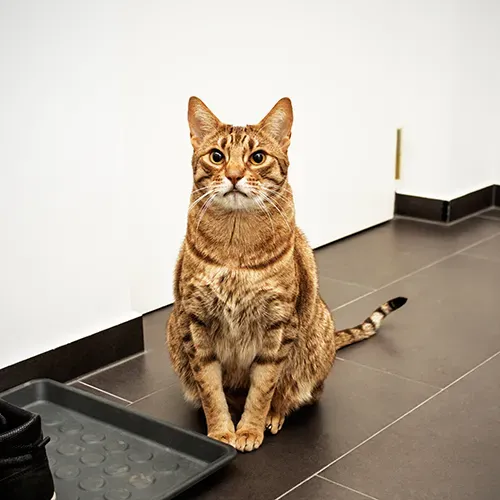
In the 1960s, Dr Clyde Keeler started working with Virginia Daly to create a domestic cat with a wild appearance but a friendly temperament. Created through a carefully selected gene pool, resulting in the Ocicat classic pattern we see today of distinct spots or marbling. The breed standard colours include tawny, chocolate, cinnamon, blue, and silver. They have a sleek, short coat and almond-shaped eyes.
What are Ocicat Kittens Like?
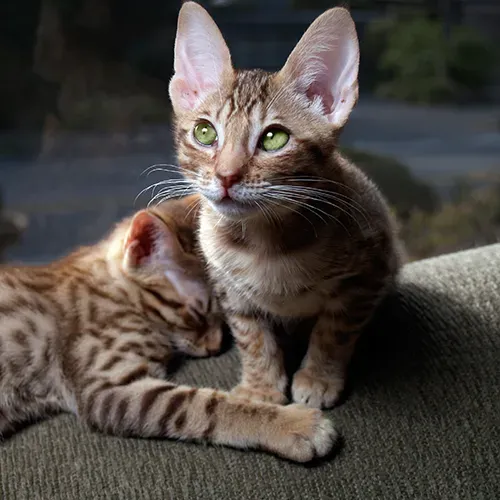
Ocicat kittens are known for their playful, curious, and affectionate characteristics. From an early age, they're quick to bond with their human family members and enjoy being part of all activities. Kittens are intelligent and love to explore their surroundings, which can sometimes lead to mischievous behaviour. Early socialisation is key to helping them grow into well-adjusted adults.
Like their adult counterparts, these kittens are highly energetic and will benefit from mental stimulation, so it's important to provide them with plenty of toys and opportunities for exploration. Despite their wild appearance, they're loving and loyal companions, always eager to engage with their owners.
Life with an Ocicat
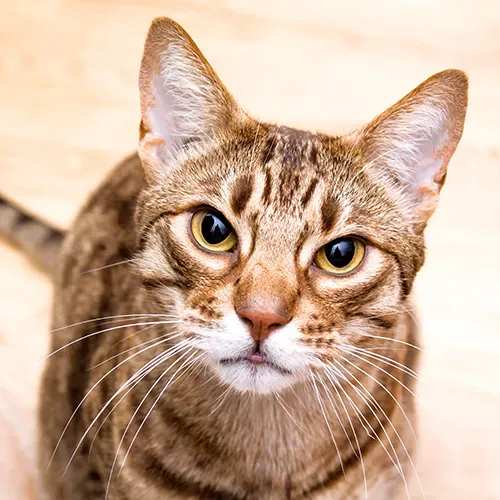
If you're wondering, "Are Ocicats friendly?" Life with one of these intelligent kitties is full of energy, fun, and affection. They also love to interact with their families, making them a good fit for households with children or other pets.
They form strong bonds with their family members and enjoy being part of daily life. But, while they enjoy physical activity, these wild-looking kitties are also known for being big softies - affectionate, often seeking attention and cuddles.
It's important to provide them with sufficient stimulation to keep their minds engaged, as they can become bored without activity.
Caring for Your Ocicat
As an active and medium-to-large breed, they require high-quality cat food formulated for active adult cats. The right balance of protein, healthy fats, and essential vitamins and minerals is crucial for keeping them healthy and fit.
Ocicats can be prone to obesity if overfed or left without enough exercise, so portion control is important. Splitting their daily food allowance into two or more meals throughout the day will help with digestion and prevent overeating. Always provide fresh water and avoid giving them too many treats.
The Ocicat's sleek, short coat makes grooming relatively low maintenance. Brushing your Ocicat once or twice a week will help manage shedding and keep that stunning spotted coat shiny.
Ocicats are generally clean cats, so bathing is not typically necessary unless they get dirty. As with all cats, it's also important to keep up with regular dental care. Try to brush their teeth at least a few times a week to prevent dental issues.
Despite their wild cat-like appearance, Ocicats are quite adaptable to grooming routines and generally tolerate it well.
.
Ocicats are intelligent and energetic cats that thrive on mental stimulation and physical exercise.
Quick learners, they can be trained to perform tricks or play interactive games, such as fetching or jumping through hoops. Their natural curiosity makes them excellent candidates for puzzle toys and interactive play, which will keep them entertained and mentally sharp.
Aim for at least 30-60 minutes of playtime or exercise each day. Due to their high intelligence, Ocicats can get bored easily, so it's important to provide them with a variety of toys and activities.
These cats are also highly social and tend to form strong bonds, so incorporating training sessions into playtime is a great way to build a deeper connection while reinforcing good behaviour.
Ocicat Cat Insurance
At Everypaw, we understand that every perfect pussycat is different. Even two elegant Ocicats can have completely different personalities and interests. That's why Everypaw Cat Insurance is created with you and your fantastic fur babies in mind.
With a selection of cover levels to choose from and a host of additional benefits like unlimited access to RCVS qualified vets, overseas vet fee cover, cover for complementary treatments, dental cover and so much more, it's no wonder that two levels of our Lifetime cover have been rated 5 Stars by Defaqto.
Plus, with our cover for older pets, we can be there for you and your faithful Ocicat long into their golden years.
Common Ocicat Health Problems by Vetstream
While Ocicats are generally healthy, they're prone to certain health issues. Regular veterinary care is essential to ensure your Ocicat leads a long and healthy life. We've partnered with Vetstream to highlight the most common health conditions affecting the Ocicat breed.
Ocicats can suffer from hip dysplasia, a condition in which the hip joint fails to develop properly. This leads to discomfort, pain, and difficulty moving. Symptoms may include stiffness, limping, or trouble jumping.
Management of this condition includes weight control, pain medication, and in severe cases, surgery to correct the joint. Early diagnosis and regular veterinary check-ups are essential for managing hip dysplasia and ensuring a good quality of life.
Hypertrophic Cardiomyopathy (HCM) is a common heart condition in Ocicats. It involves the thickening of the heart muscles, which can affect the cat's ability to pump blood effectively.
Symptoms may include lethargy, difficulty breathing, and decreased appetite. While there's no cure for HCM, it can often be managed with medication to reduce symptoms and improve the quality of life. Regular veterinary visits are vital to catch HCM early.
Renal amyloidosis is a rare condition in Ocicats in which amyloid proteins accumulate in the kidneys, affecting their normal functions. This can lead to kidney failure. Symptoms include weight loss, increased thirst, and lethargy. Early diagnosis, through veterinary testing, is crucial for managing the condition, though treatment options are limited.
Pyruvate kinase deficiency (PKD) is a genetic condition in cats that leads to a deficiency of an enzyme crucial to red blood cell function. It causes anaemia, fatigue, and weakness. Affected cats may have a shortened lifespan. Early diagnosis through blood tests is important as there's no specific cure.
Quick Ocicat Q&A
An Ocicat is a domestic cat breed known for its wild appearance, resembling an ocelot. It was created by breeding Siamese, Abyssinians, and American Shorthairs, and is affectionate, playful, and intelligent.
Ocicats are not considered hypoallergenic. While they produce less dander than some cats, they can still trigger allergies due to their coat and saliva.
The Ocicat's life expectancy is between 12 and 15 years. Proper care and regular veterinary check-ups will help your furry companion live a healthy and long life.
Yes, the Ocicats' temperament makes them excellent pets. They're affectionate, playful, social, and enjoy interaction with family members. Their intelligence and friendly nature make them great companions, especially in active households.
That’s All You Need to Know About Ocicats
The Ocicat is a striking breed with an exotic look and a heart full of affection. Whether you're attracted to their wild appearance or their playful, loyal personality, they're sure to make a wonderful addition to your family.
By providing them with the right care and attention, you can make sure they live a long, happy, and healthy life. If you're considering adding an Ocicat to your home, be sure to consult with a reputable breeder.
Content created by Vetstream Vetlexicon - Clinical content for veterinary professionals
Vetlexicon is the world’s largest peer-reviewed online clinical reference source. All our content is written and peer-reviewed by over 1,000 of the world’s leading veterinarians, ensuring relevance, accuracy and quality.
- Vetstream ltd (online) Ocicat. In: Vetlexicon Felis. Vetstream Ltd, UK.
- Vetstream ltd & Langley-Hobbs S (online) Hip dysplasia. In: Vetlexicon Felis. Vetstream Ltd, UK.
- Brownlie S, Fox P, Nicholls P, Watson P & Bode L (online) Heart: hypertrophic cardiomyopathy (HCM). In: Vetlexicon Felis. Vetstream Ltd, UK.
- Barber P, Braund K, Day M & Squires S (online) Amyloidosis. In: Vetlexicon Felis. Vetstream Ltd, UK.
- Day M & Giger U (online) Pyruvate kinanse deficiency. In: Vetlexicon Felis. Vetstream Ltd, UK.


