Highlander Cat Insurance, Care and Health Advice
The Highlander cat is a cross between the Desert Lynx and Jungle Curl breeds. Originally named the Highland Lynx, refinement began in 2004 to make it a more distinguishable breed. If you're hoping to add one of these majesttic kitties to your home, then here's everything you need to know about them.
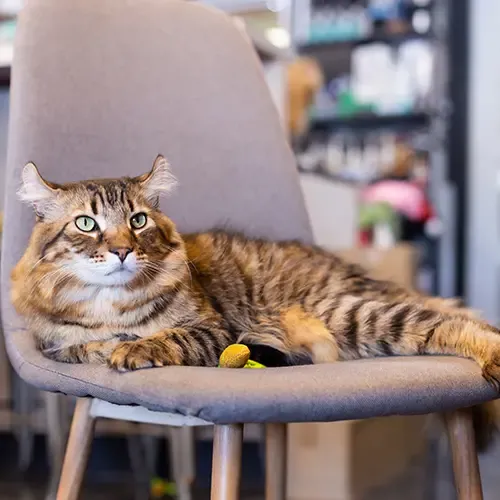
Highlander Cat Facts


Is an Highlander Cat Right for Me?
The Highlander cat breed is a great choice for active individuals or families. They're high-energy, playful cats that thrive in households offering ample attention, exercise and mental stimulation.
With their robust, muscular bodies, Highlander cats are more than just a lap cat - it's a companion that loves adventure and interaction. If you're looking for a cat that is outgoing, affectionate and loves to play, this breed will likely be a great fit.
In 2008, the Highlander breed was recognised by The International Cat Association (TICA) for competition in the Preliminary New Breed class. In 2016, it was moved up to the Advanced New Breed category.
The Highlander was finally accepted as a championship breed in the United States by the American Cat Fanciers Association (ACFA) in 2022. The Highlander cat breed is known for its exotic, wild-cat appearance, with loosely curled ears, spotted or marbled markings, a bob or short tail, and a muscular build.
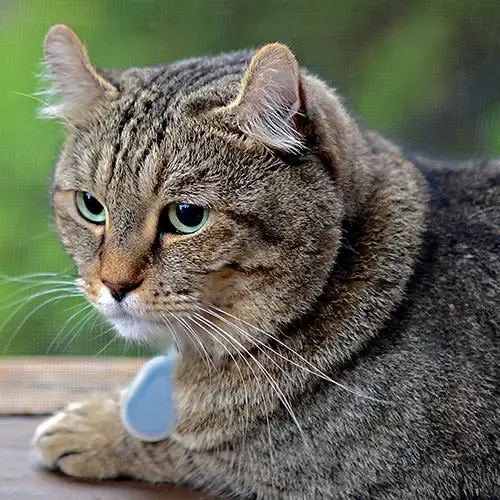
What are Highlander Kittens Like?
Highlander kittens are lively, curious, and full of energy. They love to play, whether it's chasing toys, climbing or interacting with their owners. As kittens, they tend to be mischievous but also highly trainable, eager to please and respond well to positive reinforcement.
Highlander kittens require lots of stimulation to prevent boredom. Early socialisation is important to ensure they grow up to be well-adjusted adults who are comfortable around people and other pets.
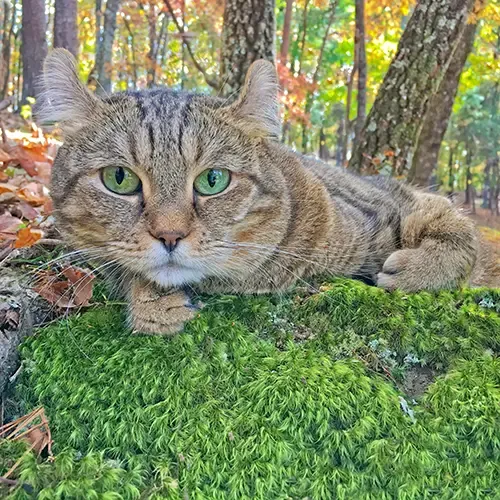
Life with an Highlander Cat
Highlander cats are highly social and love being the centre of attention. They bond closely with their family and thrive in households where they get plenty of interaction.
They're quite big cats and have lots of energy, so are better suited to homes where they can engage in active play and exercise regularly.
Their affectionate nature also means they'll be by your side, often following you from room to room. They may not be ideal for homes with young children or other pets unless given proper training and socialisation.
Caring for Your Highlander
When it comes to feeding your Highlander cat, providing a balanced and high-quality diet is essential to support its energy levels and overall health. This breed is muscular and has a high activity level, so look for food formulated for active cats or breeds with similar energy levels.
Split their meals into two servings per day to avoid overeating. Monitoring their weight is important since Highlander cats are prone to obesity, especially if they don't get enough exercise and indulge in too many treats.
Highlander cats come in both long-haired and short-haired varieties, and their grooming needs vary depending on their coat type.
Long-haired Highlander cats require more frequent grooming, up to three times a week, to prevent matts and tangles, especially around their curled ears and underbelly.
Short-haired Highlander cats are easier to groom but should still be brushed regularly to remove dead hair and keep their coat healthy. Be sure to regularly trim their nails, clean their ears and brush their teeth to maintain good hygiene.
Highlander cats are incredibly playful and require a lot of physical activity to stay healthy and happy. If they don't get enough exercise, they can become bored, which may lead to destructive behaviour. These cats love to engage in games like fetch, puzzle toys, and interactive play.
Plan for at least 60-90 minutes of active playtime each day to help burn off their excess energy. Since they're so intelligent, Highlander cats can also be trained to perform tricks and follow commands with positive reinforcement. They're eager to please, making training enjoyable.
Highlander Cat Insurance
Whether you get a long or short-haired Highlander Cat one thing is for sure, you're getting an incredibly fun-loving, bubbly and active kitty.
With all that exercise and fun games ahead of you, it's a good idea to get some cat insurance that can keep up. Everypaw's Cat Insurance comes with access to vet support whenever you need it via the PawSquad service and you have the freedom to manage your policy completely online in the Pet Portal.
Common Exotic Shorthair Health Problems by Vetstream
Highlander cats are generally a healthy breed, but they may be prone to certain common cat health conditions. Everypaw has partnered with veterinary experts Vetstream to give you an overview of the conditions that may affect Highlander cats.
PRA is an inherited condition in Highlander cats that causes gradual degeneration of the retina, leading to night blindness and eventually, total blindness. Symptoms include difficulty seeing in low light and bumping into objects. While there's no cure, early detection through regular eye examinations can help manage the condition.
Cats with PRA can adapt to blindness with proper care and support, and routine veterinary check-ups are essential to monitor their progression.
Hyperthyroidism is a common condition in older Highlander cats, where the thyroid gland produces excessive hormones, leading to symptoms like weight loss, increased appetite, and hyperactivity.
Other signs may include vomiting, excessive thirst, and rapid heart rate. Treatment options include medication, radioactive iodine therapy, or surgery to remove the thyroid gland. With proper treatment, cats with hyperthyroidism can live long, healthy lives.
Highlander cats can be prone to hip dysplasia, a hereditary condition where the hip joint doesn't form properly. This leads to pain, limping, difficulty jumping and decreased mobility. In severe cases, it can cause lameness or difficulty walking.
Maintaining a healthy weight and providing regular veterinary check-ups can help manage the condition. Treatment options may include pain relief, weight control and sometimes surgery to improve joint function and overall comfort.
Obesity is a common issue in Highlander cats, often caused by overeating, lack of exercise or an underlying health problem. It can lead to joint issues, diabetes and a reduced lifespan. Signs include weight gain, lethargy and difficulty moving.
Managing obesity involves portion control, a balanced diet, regular exercise and sometimes medical intervention. Regular vet check-ups are important to monitor your cat's weight and ensure their overall health.
Quick Highlander Q&A
The Highlander cat's lifespan typically ranges from 12 to 16 years. With proper care, a Highlander cat can enjoy a long, healthy life, staying energetic and affectionate throughout its senior years. And our Lifetime Pet Insurance can be there for you and your Highlander throughout the years, thanks to our cover for older pets.
Considered to be a medium to large breed, male full-grown Highlander cats generally weigh between 7-9 kg (15-20 pounds) and stand around 25-30 cm tall at the shoulder, while females are slightly smaller. Their sturdy, muscular build gives them a more robust appearance compared to other domestic cat breeds.
Highlander cats are known for their high energy, playful nature and affectionate temperament. They have a muscular build, striking curled ears and a wild appearance, making them both charming and active companions for families.
No cat breed is truly hypoallergenic. While Highlanders come in both short and long-haired varieties, they still shed and produce dander, which can trigger allergies. Regular grooming can help manage shedding.
That’s All You Need to Know About Highlander Cats
The Highlander cat is an energetic and affectionate breed that makes a wonderful companion for those who can dedicate the time and attention it needs. Their exotic appearance and high-energy personality make them stand out from other cats.
With proper care, attention, and regular grooming, a Highlander cat will thrive in an active, loving environment. If you're looking for a big, playful, and loyal companion, the Highlander cat may be the perfect fit for you.
Content created by Vetstream Vetlexicon - Clinical content for veterinary professionals
Vetlexicon is the world’s largest peer-reviewed online clinical reference source. All our content is written and peer-reviewed by over 1,000 of the world’s leading veterinarians, ensuring relevance, accuracy and quality.
- Vetstream Ltd (online) Highlander. In: Vetlexicon Felis. Vetstream Ltd, UK.
- Cannon M, Chandler M & German A (online) Obesity. In: Vetlexicon Felis. Vetstream Ltd, UK.
- Herrtage M, Hibbert A, Mooney C & Peterson M (online) Hyperthyroidism. In: Vetlexicon Felis. Vetstream Ltd, UK.
- Vetstream Ltd & Langley-Hobbs S (online) Hip: dysplasia. In: Vetlexicon Felis. Vetstream Ltd, UK.


