Chartreux Cat Insurance, Care and Health Advice
Shorthair Chartreux cats have a very similar appearance to British shorthairs, but with fine-boned limbs. The Chartreux cat’s temperament is sweet, resilient and non-confrontational, making it a beloved companion in many households. Here's everything you need to know about this serene-looking breed
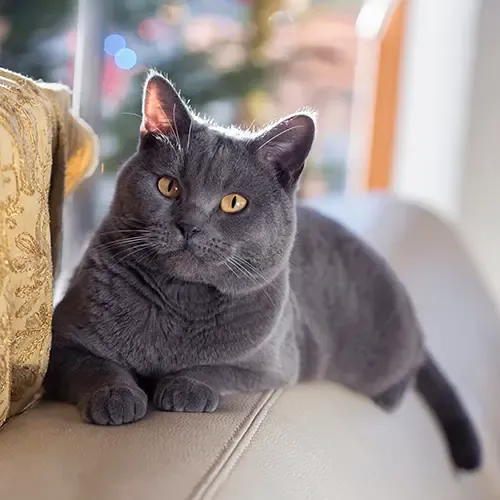
Chartreux Cat Facts


Is a Chartreux Cat Right for Me?
This breed of cat is also a creature of habit, often sticking to routines and enjoying a quiet environment. A Chartreux will fit well in most households, including those with children and other animals, due to its gentle nature. However, it’s worth noting this breed can sometimes be a little more reserved or cautious around very young children.
Originating in 18th-century France where Carthusian monks bred them in the monastery while making Chartreuse liqueur. It’s thought that the breed’s name is also influenced by the luxurious Spanish wool called “La pile des Chartreux”, due to their soft, woolly coats.
Following near extinction after World War II the Chartreux breed was saved them through crossbreeding with Blue Longhairs. By the mid-20th century, the modern Chartreux was officially recognised as a distinct breed.
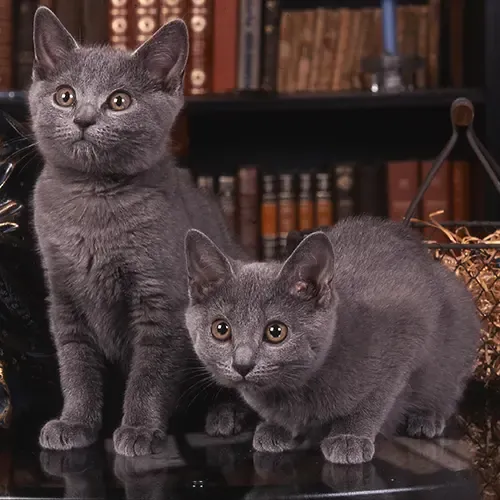
What are Chartreux Kittens Like?
Chartreux kittens are playful, curious and friendly. They enjoy interactive toys and games, but they also appreciate quiet time with their family. Early socialisation is essential to ensure that your kitten grows into a confident, well-mannered adult cat.
A Chartreux cat’s kittens will inherit the breed's signature woolly coat, so it’s important to begin grooming early to get them used to being brushed.

Life with a Chartreux Cat
Life with a Chartreux cat is likely to be quiet and comforting. These cats are affectionate but not overly clingy, and they prefer to stay close to their owners rather than seeking attention all the time. A Chartreux cat will happily settle on a windowsill, observing the world from a safe distance, or curl up beside you for a cozy nap.
The Chartreux is a cat that values predictability and will thrive in an environment where it’s provided with consistent routines. This makes them excellent companions for people with a structured lifestyle. Chartreux cats are also known for being good with children and other animals, such as other cats or dogs, which makes them a popular choice for families. While they enjoy their independence, they’re known to form deep bonds with their owners.
Caring for Your Chartreux
A balanced diet is essential for the Chartreux to maintain its health and longevity. The breed is known for its muscular build, so it’s important to provide them with food that supports their energy levels and muscle tone. High-quality, protein-rich cat food formulated for adult cats is ideal.
Chartreux cats should have a consistent feeding schedule to maintain their habit-forming nature. Be mindful of portion sizes to avoid obesity, as they’re prone to weight gain if not carefully monitored.
Chartreux kittens will need a specialised diet designed for their growth, and regular meals throughout the day can help ensure they develop properly. Always ensure they have access to fresh, clean water.
Though the Chartreux cat has a woolly, thick coat, it’s relatively low maintenance compared to other long-haired breeds. Grooming should be done once or twice a week to prevent matting and to keep their coat looking its best. Their water-resistant fur requires less frequent baths, but regular brushing will help maintain its plush texture.
The Chartreux is not a heavy shedder, so their grooming needs are more about upkeep than frequent de-shedding. You can use a fine-toothed comb to gently brush through their coat, focusing on any tangles that might form around the neck or chest area. Routine ear cleaning, nail trimming every 3-4 weeks, and regular dental care should also be part of your Chartreux’s grooming routine.
The Chartreux is a highly intelligent cat, which makes training possible with patience and consistency. Though they’re not typically motivated by treats or toys like some other breeds, they enjoy mental stimulation and will respond well to positive reinforcement.
Exercise is essential to keep your Chartreux cat healthy, but this breed does not require excessive physical activity. A few short play sessions a day should suffice, but they do enjoy exploring room to room, where they can keep themselves entertained by observing their environment. A simple string toy or puzzle feeder can engage their intelligence and satisfy their playful side.
Chartreux Cat Insurance
If you’re searching for laidback mog, who’s smart enough to learn new tricks and independent enough to not need you around 24/7 while still loving a good family cuddle on the sofa, then a Chartreux is the kitty for you. But now, you’ve found the perfect partner, it helps to get them protected.
Everypaw’s Lifetime Cat Insurance does exactly what it says on the tin. Offering cover for illness and injury from 8 weeks of age right into their golden years. Plus, you’ll also get access to veterinary support through our PawSquad service. That’s lifetime Chartreux cat insurance cover that’s built to last.
Common Chartreux Cat Health Problems by Vetstream
Like all breeds, the Chartreux cat is susceptible to certain health problems. Fortunately, with proper care and regular veterinary check-ups, many of these conditions can be prevented or managed. We've teamed up with veterinary experts at Vetstream to provide insights into the potential health issues to watch for in your Chartreux cat.
Patella luxation is a condition where the kneecap dislocates from its normal position, causing pain, limping and difficulty walking. In mild cases, it may not cause noticeable symptoms or be easily detected, but in more severe instances, surgery may be required to correct the issue and relieve discomfort.
Regular vet check-ups and early detection can help manage this condition more effectively. Keeping your cat at a healthy weight can also help reduce the risk of developing patella luxation.
Gingivitis is an early stage of gum disease that causes inflammation, redness, and swelling of the gums. It’s commonly seen in cats and is often caused by the buildup of plaque and tartar. If left untreated, gingivitis can lead to more serious dental problems, such as tooth loss. Regular dental care can help prevent gingivitis and maintain oral health.
PKD, also known as autosomal dominant polycystic kidney disease (AD-PKD), is a genetic condition that causes fluid-filled cysts to form in the kidneys, leading to kidney enlargement and impaired function over time. Symptoms may include increased thirst, frequent urination, and weight loss.
Regular veterinary check-ups and early detection are essential to manage the condition and maintain the cat's quality of life. In severe cases, treatment options may include medication or kidney support therapy.
HCM in cats is a condition that affects the heart muscle, causing it to thicken and impair blood flow, leading to potential heart failure.
Early detection through regular vet check-ups is essential for managing HCM, as prompt intervention can improve quality of life and prevent complications. With proper care and monitoring, affected cats can live a healthy, comfortable life.
Quick Chartreux Q&A
Yes, Chartreux cats are known for being friendly and affectionate. They’re good with children and other animals, making them ideal family pets. They enjoy the company of their owners and often form strong bonds.
While Chartreux cats shed very little compared to other breeds, they’re not considered hypoallergenic. They have a woolly coat that can trigger allergies in sensitive individuals, though it’s usually less of an issue than heavy shedding breeds.
The average lifespan of a Chartreux cat is between 12 to 15 years. With proper care, they can live even longer, offering many years of companionship and, with our Pet Insurance for Older Pets cover, we can be there for you and your Chartreux through it all.
Chartreux cats are relatively rare, particularly outside their native country, France. While their numbers have been increasing, they’re still considered an uncommon breed worldwide.
That’s All You Need to Know About Chartreux Cats
The Chartreux cat breed is a perfect fit for those who appreciate a calm, intelligent, and loving companion. With their luxurious woolly coats, delightful personalities, and ability to adapt to different living situations, they make a wonderful addition to any home.
Whether you’re drawn to their history as the "Cat of France" or their modern charm, the Chartreux is a breed that promises many years of loyal companionship. With proper care and attention to health, the Chartreux cat can thrive as a treasured member of your family.
Content created by Vetstream Vetlexicon - Clinical content for veterinary professionals
Vetlexicon is the world’s largest peer-reviewed online clinical reference source. All our content is written and peer-reviewed by over 1,000 of the world’s leading veterinarians, ensuring relevance, accuracy and quality.
- Vetstream Ltd (online) Chartreux. In: Vetlexicon Felis. Vetstream Ltd, UK.
- Langley-Hobbs S, Marsella R & Rackard S (online) Patella: luxation. In: Vetlexicon Felis. Vetstream Ltd, UK.
- Cannon M & Korman R (online) Kidney: autosomal dominant polycystic disease. In: Vetlexicon Felis. Vetstream Ltd, UK.
- Crossley D & Smithson A (online) Gingivitis and stomatitis. In: Vetlexicon Felis. Vetstream Ltd, UK.
- Brownlie S, Fox P, Nicholls P, Watson P & Bode L (online) Heart: hypertrophic cardiomyopathy (HCM). In: Vetlexicon Felis. Vetstream Ltd, UK.


