Everything You Need to Know About Luxating Patella in Dogs
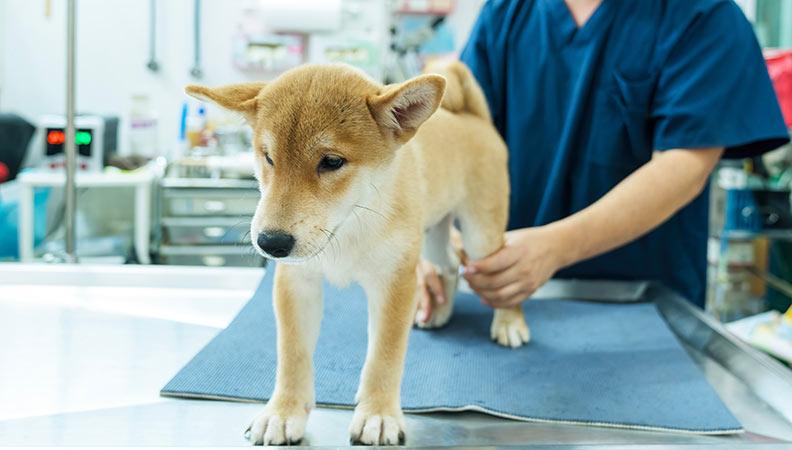
If you've ever noticed your dog skipping or hopping on one of their back legs, only to return to a normal walk quickly, it might be due to a condition called patella luxation. This occurs when the kneecap (patella) slips out of its normal position, often causing discomfort and temporary lameness.
Though most common in toy and small breed dogs, it can also affect larger dogs. Read on to learn what causes this condition, how it's diagnosed, and the available treatment options.
What is Luxating Patella in Dogs?
In healthy knees, the patella (kneecap) sits securely in a groove at the end of the thigh bone, where it moves up and down smoothly. The patella is held in place by ligaments and the structure of the groove itself.
In dogs with patella luxation, the kneecap slips out of this groove - usually toward the inside of the leg (medial patellar luxation), though it can also move outward (lateral).
Patella Luxation Grades in Dogs
Vets classify luxating patella in dogs into grades:
- Grade I: Occasional dislocation, returns to place on its own.
- Grade II: Frequent slipping, may require manual correction.
- Grade III: Patella mostly dislocated, reducible manually.
- Grade IV: Permanently dislocated, cannot be repositioned.
Identifying the grades of patellar luxation helps guide treatment choices and prognosis.
Causes of Luxating Patella in Dogs
Many dogs are born with anatomical differences, for example, the groove is too shallow, or the ligament attaches incorrectly to the shin bone (tibia). These factors cause the kneecap to slip out of its normal position when the knee bends. While only one leg is sometimes affected, approximately half of dogs with this condition have it in both knees, known as bilateral patella luxation.
Luxating patella is most commonly seen in smaller breeds, such as Yorkshire Terriers, Poodles, and Chihuahuas. However, it can also affect large breeds of dogs. As it's often inherited, affected dogs shouldn't be bred.
However, not all cases are congenital. Although uncommon, trauma to the knee joint, such as a fall or accident, can damage the tissues that help keep the patella in place, leading to a luxated patella.
Symptoms of Luxating Patella in Dogs
Some common signs of a luxating patella in dogs include intermittent limping or a skipping gait, especially in small-breed dogs. They may occasionally hop on one back leg, holding the other up briefly before returning to a normal stride. This can happen more frequently when the dog is running or excited. In many cases, the lameness seems to come and go, making it easy to overlook at first.
As the condition progresses, dogs may start to shift their weight forward onto their front legs to avoid discomfort. Some dogs may appear reluctant to jump or climb stairs, and over time, the affected leg may show signs of muscle wasting or shortening if the kneecap remains permanently luxated.
Dogs with patella luxation are often young to middle-aged when symptoms first appear. Without treatment, the abnormal movement of the kneecap can lead to long-term problems such as arthritis, which may cause chronic pain and lameness.
If you're concerned your dog may have a luxated patella, especially if the signs are recurring or worsening, it's important to speak with your vet. Early diagnosis can help prevent further joint damage and discomfort.
How to Test for Luxating Patella in Dogs
To diagnose a luxating patella, your vet will start with a physical examination. By gently manipulating your dog's leg, they can often feel the patella dislocating or moving in and out of its groove. This hands-on assessment helps determine the grade of patellar luxation and whether the kneecap returns to position on its own or remains displaced.
Your vet may recommend X-rays to check for other knee problems, such as arthritis, damage to the cruciate ligaments, or changes to the shin bone. In some cases, advanced imaging like CT scans can be useful, especially if surgery is being considered. These tests help your vet assess the severity of the condition and identify any complications that could affect treatment options or recovery.
Treatment for Luxating Patella in Dogs
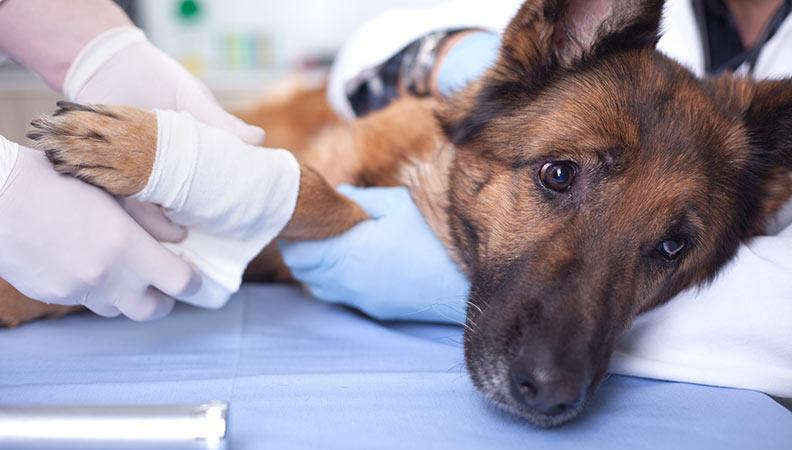
Pet owners often ask, "Can a luxating patella in dogs heal itself?" Treatment for a luxating patella in dogs is based on the severity of the condition, the presence of other injuries, and your dog's age, breed, and activity level. For mild or occasional luxation, anti-inflammatory medications, lifestyle adjustments, and regular monitoring may be enough. But if your dog is regularly lame, in pain, or if the patella is permanently luxated, surgery is often the best option.
The goal of luxating patella surgery is to stabilise the kneecap and restore normal movement. This might involve deepening the groove or realigning the ligament attachment on the shin bone. This procedure is called trochleoplasty and tibial tuberosity transposition.
In some cases, both techniques are used together to keep the patella securely in place and allow the leg to bend and straighten properly again. Sometimes, a further procedure is needed to hold the surrounding soft tissues in place, called lateral capsular imbrication.
Pros and Cons of Patella Luxation Surgery
- Pros: high success rate, reduced pain, and arthritis prevention.
- Cons: recovery time, cost, risk of recurrence.
The cost of luxating patella surgery in dogs depends on your location and your dog's size. If you're researching luxating patella surgery cost, consult your local vet for a more accurate estimate based on your dog's specific needs.
Recovery and Outcomes Following Surgery
Most dogs begin to show improvement within the first couple of weeks after luxating patella surgery. You might see your dog touch their toe to the ground within 10-14 days, with more confident leg use developing over the next 2-3 months.
Should you walk a dog with a luxating patella before or after surgery? Short, controlled lead walks may be beneficial, but avoid jumping or running.
Your vet will schedule regular post-operative check-ups to make sure the patella remains in place, the knee joint is healing properly, and that your dog is regaining normal movement. Your vet may also recommend physiotherapy exercises or hydrotherapy for a luxating patella in dogs to support muscle recovery and improve mobility.
Surgery is highly successful in most uncomplicated cases. Around 9 out of 10 dogs regain strong, comfortable use of the affected leg within 12 weeks. Some dogs may still develop arthritis in the joint, but overall, the long-term outlook is positive.
How Common is Luxating Patella in Dogs?
Luxating patella in dogs is a common but treatable condition, especially in small breeds. While some dogs experience only mild symptoms, others may require surgery to restore normal knee function and prevent long-term joint damage.
Early diagnosis and appropriate treatment, whether medical or surgical, can significantly improve your dog's comfort and mobility. If you notice clinical signs such as intermittent lameness or "skipping," speak to your vet promptly to ensure the best possible outcome for your dog's health.
Everypaw Dog Insurance
Everypaw's Dog Insurance comes with 24/7 unlimited access to vets and vet nurses that can help with your pet's health, care, nutrition and behaviour. So you can rest assured your pup will be well looked after.
Content created by Vetstream Vetlexicon - Clinical content for veterinary professionals
Vetlexicon is the world’s largest peer-reviewed online clinical reference source for veterinary professionals. All our content is written and peer-reviewed by over 1,000 of the world’s leading veterinarians, ensuring relevance, accuracy and quality.
- Vetstream Ltd, Burton N & Fear Free (online) Luxating patella. In: Vetlexicon Canis. Vetstream Ltd, UK.
- Harari J & Arthurs G (online) Patella: medial luxation. In: Vetlexicon Canis. Vetstream Ltd, UK.
- Vetstream Ltd & Arthurs G (online) Patella: medial luxation correction. In: Vetlexicon Canis. Vetstream Ltd, UK.
- Harari J & Arthurs G (online) Patella: lateral luxation. In: Vetlexicon Canis. Vetstream Ltd, UK.


