What Your Dog's Poo is Telling You
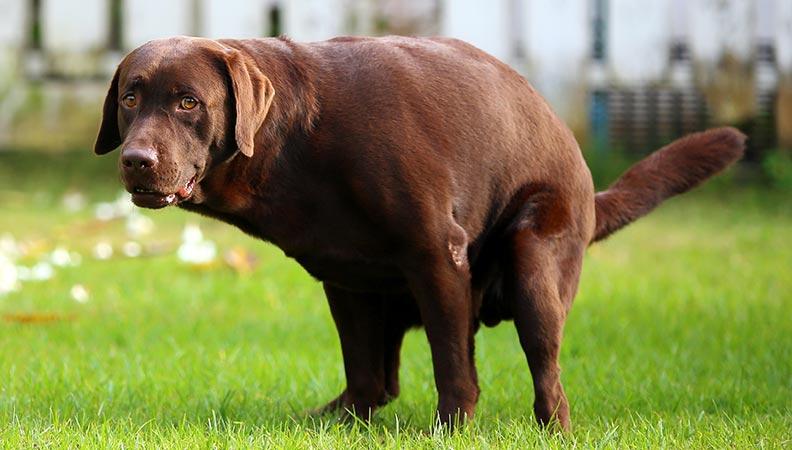
As a dog owner, you’ll be used to picking up lots of dog poo and you’ll know what is normal for your dog. Paying attention to what your dog’s poo looks like can tell you a lot about their health and can be an early warning sign of a health problem.
We all know a dog with runny poo has an upset tummy, but what other dog poo signs do we need to look out for?
What's a Normal Dog Poo?
A normal dog poo will maintain its shape when you pick it up and will be squidgy enough to make an indentation in. Most dog food diets result in a mid- to chocolatey brown coloured dog poo, but a diet high in white meat or fish will result in a lighter coloured poo.
A healthy digestive system will produce little “logs” that are sausage or snake shaped and are relatively smooth or have some cracks on the surface. If the diet is kept similar each day, the size of the logs is unlikely to change much.
The dog may produce a large amount in one go or they may pass multiple smaller amounts. Low levels of mucus in dog poo are normal as it helps the poo to move along digestive tract.
Dog poo smells! That comes as no surprise, but what is normal? This depends on your dog’s diet. If you notice your dog’s poo is stinkier than normal, it’s likely they’ve eaten something that has upset their tummy, or they may have picked up a bug.
The Dog Poo Colour Chart
Changes in the colour of your dog’s poo are something to pay attention to. If the colour of your dog’s poo has changed, it may be sign of an underlying problem. Make an appointment with your vet and try to take a sample along with you so that it can be sent to the lab if necessary. Here are some potential colours you might see and what they mean:

Why is My Dog's Poo Black?
- Black dog poo or tar-like stools are typically a sign of digested blood, indicating internal bleeding. If you’re wondering, why is my dog's poo black? It may be that blood is coming from the stomach or upper digestive tract, possibly from ulcers, injuries, or certain medications. Black poo in dogs can also appear shiny and sticky in texture. This is an emergency situation - if your dog’s poo is black, call your vet urgently, as internal bleeding can be life-threatening and may require immediate veterinary attention.

Why is My Dog's Poo Grey/Greasy?
- Grey or greasy dog poo means that oils and fats aren’t being broken down by enzymes so are travelling undigested through the dog’s digestive system. This can indicate a problem with the pancreas. It can also be caused by feeding your dog fatty leftovers. Keep an eye on them and if it happens more than once, or they don’t seem well, consult your vet.

Why is My Dog's Poo Blue?
- Blue dog poo or blue flecks in your dog’s stool should always raise alarm bells. In most cases, blue in dog’s poo suggests they’ve eaten something containing blue dye - worryingly, this could be rodent poison (rodenticide), which is often dyed bright blue or green to make it easily identifiable. Rodenticides are highly toxic to dogs and can cause internal bleeding or organ failure. Even if your dog seems fine, get veterinary help immediately, as symptoms may not show for hours after ingestion.

Why is My Dog's Poo Yellow?
- If you’ve spotted yellow dog poo, you might be wondering, why is my dog's poo yellow? Yellow dog poo often appears when bile hasn’t mixed properly with digested food, usually due to food passing too quickly through the gut. It can also happen when a dog eats something that doesn’t agree with them or after a sudden diet change. While one-off episodes are often nothing to worry about, persistent yellow stools can suggest a liver or gallbladder issue, so it’s best to consult your vet if it continues.

Why is My Dog's Poo Orange?
- If you’ve noticed orange dog poo and are asking yourself, why is my dog's poo orange? The answer usually lies with bile or digestion causes. If your dog’s poo is orange, it suggests bile isn’t being properly secreted or mixed during digestion, which can point to an issue with the gallbladder or liver. Sometimes, orange stools appear after eating foods rich in artificial colouring or carrots, but if it continues for more than a day or two, book a check-up with your vet to rule out any underlying problems.

Why is My Dog's Poo Red?
-
Red dog poo can be alarming, and rightly so - it’s often a sign of blood in your dog’s poo. The blood might appear as streaks, spots or speckles on the outside of the stool, or it may be mixed in throughout. If you’re wondering, why is there blood in my dog's poo? There are several possible causes.
Sometimes, blood in a dog’s poo can result from minor irritation or straining due to constipation. Small tears around the anus, called anal fissures, can also cause bright red streaks of blood. However, if there’s a large amount of blood or your dog has blood in runny poo, this could indicate a more serious issue like inflammation in the intestines, infections, or even ulcers or tumours in the digestive tract.
If you notice blood in your dog’s poo more than once, or if it’s accompanied by lethargy, loss of appetite, vomiting, or a change in behaviour, call your vet immediately. Always take a stool sample with you as it helps your vet diagnose whether the cause is dietary, bacterial, parasitic, or something more serious, and they can then treat your dog quickly. Sometimes you vet might require 3 days of poo samples for testing.

Why is My Dog's Poo White?
- White dog poo means there’s too much calcium in your dog’s diet. This chalk-like white dog poo often leads to constipation and cause discomfort for the dog.

Why is My Dog's Poo Brown with White Spots?
- Brown dog poo with white spots is a normal poo but with the presence of worms, most often tapeworms.
Behind the Shape and Consistency of Dog Poo
The shape and form of a poo is useful for investigating, monitoring and diagnosing digestive problems. A dog struggling to go for a poo will have separate hard dog poo lumps, or a lumpy sausage shaped log.
A normal poo will be easy to pass and be sausage or snake-like and either smooth and soft or have a few cracks on the surface.
Crumbly dog poo with a mushy texture or watery loose stools with no solid pieces is diarrhoea and means a digestive upset.
Can Dog Poo Blind You?
Toxocariasis is an infection caused by small worms in dog poo (cats and foxes too). Humans can become infected by accidentally swallowing the eggs. Once swallowed the eggs release larvae into the intestine that then travel through the body until they die.
In some cases, the larvae can reach the eyes and cause sight problems. Unfortunately, dog poo worms can cause blindness. To reduce the risk of infection, make sure you always wash your hands after picking up dog poo.
The colour and consistency of your dog’s poop can tell you a lot about their health. Changes can be caused by a change in diet, stressful situations, hot weather/dehydration or a health problem. Pay attention when your dog is having a poo to see if they’re struggling to go and how often they’re passing a stool. If you're concerned about your dog, make an appointment with your vet and try to take a stool sample with you.
Everypaw Dog Insurance
Everypaw's Dog Insurance comes with 24/7 unlimited access to vets and vet nurses that can help with your pet's health, care, nutrition and behaviour. So you can rest assured your pup will be well looked after.
Content created by Vetstream Vetlexicon - Clinical content for veterinary professionals
Vetlexicon is the world’s largest peer-reviewed online clinical reference source for veterinary professionals. All our content is written and peer-reviewed by over 1,000 of the world’s leading veterinarians, ensuring relevance, accuracy and quality.
- Simpson J (online) Fecal analysis: overview. In: Vetlexicon Canis. Vetstream Ltd, UK.
- Wright I (online) Fecal analysis: parasites. In: Vetlexicon Canis. Vetstream Ltd, UK.


