What Does Catnip Do To Cats?
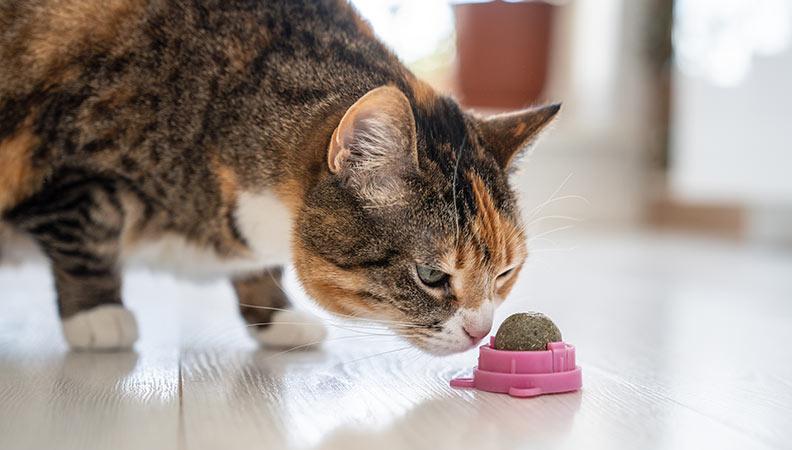
If you're a cat parent, you've probably heard of catnip, but do you know what it is? And do you know what it's for? Plus, did you know that it can also be useful as a cat training aid?
We've got all the answers to your questions about the catnip plant, which has lots of handy uses if you're a cat owner. Before we get into all that though, what actually is it?
What is Catnip?
Catnip is a non-toxic herb from the mint family, Nepeta cataria! Historically, it was used for people with stomach upset, diarrhoea, or too much wind.
Catnip contains a chemical called nepetalactone (cat attractants) that has a few effects on cats. But is catnip good for cats, and do you know what catnip does to cats?
Catnip has been known for its effects on cats for hundreds of years, but modern-day research has shown how it actually works.
Is Catnip Bad for Cats?
No! As long as it hasn't been sprayed with any toxic substances, like pesticides and is given in appropriate amounts, catnip isn't bad for your furry friend.
But can cats overdose on catnip? If they eat too much of it, it can make them feel a bit under the weather, causing symptoms such as vomiting and diarrhoea, dizziness, and difficulty walking.
What Does Catnip Do to Cats?
So, how does catnip work on cats? Well, cats have an amazing sense of smell compared to ours. When cats smell catnip, nepetalactone stimulates their nervous system, which then carries signals to their brain to enhance their senses of touch, taste, smell, and sight.
Catnip works on the olfactory receptors (proteins) in your cat's nose, which stimulate sensory neurons that detect smells (cats have up to 200 million receptor cells, while we only have around 850!). Nepetalactone in catnip mimics your cat's natural "happy pheromones".
How Long Does Catnip Take to Work?
Catnip is thought to smell like feline sex pheromones, which makes them feel very happy and stress-free. This feeling doesn't last very long, only around 10 minutes or so, and this is then followed by a sense of relaxation. Then they can't smell catnip for about 30 minutes.
The effects of catnip vary from cat to cat; in fact, not all cats react to catnip! It's a genetic trait, so it is passed on from their parents. If it is hereditary, it won't affect kittens under 3 months old.
What Are the Common Reactions to Catnip?
If your mog spots some catnip, you may see them sniffing, licking, biting or even chewing on it. Once they've smelt it, they may start rubbing their face and rolling around on the floor. They may also be more active than normal, hyperactive, groom themselves a lot, and be in a particularly playful mood.
It can be used for lots of different things, like motivating your cat to play, reducing stress and helping with training.
Why Do Cats Like Catnip?
Cats love catnip because it makes them feel good! This is because of the chemical nepetalactone in the plant. When they lick, chew, or rub themselves on catnip, it triggers that feeling of happiness.
Are Catnip Toys Good for Cats?
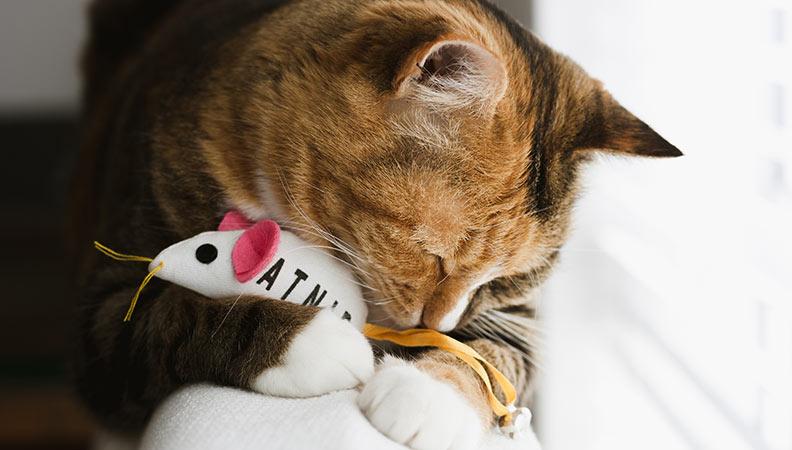
Catnip toys are usually a winner – if your kitty isn't interested in playing very much, using catnip toys can encourage them to get off the sofa for some playtime. And for those cats that love to play, it can add another fun element to toy play.
Just be careful, though, as some cats can become over-stimulated, making playtime a bit crazy, which could scare your other cats if you have any.
You could even get your cat a catnip scratching post, making it an irresistible go-to activity, which will also save your furniture!
Are Catnip Sprays Safe for Cats?
Catnip sprays are usually made of water and a small amount of catnip oil, so they are very safe to use. The sprays are safe to use on your cat's toys, their scratching posts and even on their bedding, making them all much more interesting and appealing.
Can Cats Eat Catnip?
Catnip isn't toxic to cats, so yes, cats can eat it, but in moderation!
Dry catnip can be used as an added flavour to food, but be careful not to give your cat too much, as it can cause problems like diarrhoea. Catnip can even be made into a tea to help with conditions like coughs, asthma and an upset tummy.
There's no set amount of fresh or dried catnip leaves you can feed your cat. The best thing to do is start with a very small amount, like a teaspoon, and gradually increase it until you get the desired effect.
Can Cats Overdose On Catnip?
Cats can't overdose on the smell of catnip, but if at any point your cat gets any of the catnip side effects noted with overdosage, like diarrhoea, cut back on the amount you're feeding. If your cat experiences any side effects from catnip in their environment, remove it straight away.
Cats will also lose interest in catnip once they've had enough of it, so it's rare for them to voluntarily eat too much! If you're unsure, discuss the right amount to feed with your vet.
Catnip is a well-known plant when it comes to cats! It's a handy herb to have around the house to let your cat's happy pheromones loose.
When to Use Catnip?
You can also use it when your cat is feeling stressed, like when they've got to travel, or to encourage them to play if they're feeling a bit lazy. It can even help with some medical conditions.
Reacting to catnip is an inherited characteristic, so not all cats react to it! If you're not quite sure how it could help your cat, your vet can advise you.
Everypaw Cat Insurance
Everypaw's Cat Insurance comes with 24/7 unlimited access to vets and vet nurses that can help with your pet's health, care, nutrition and behaviour. So you can rest assured your kitty will be well looked after.
Content created by Vetstream Vetlexicon - Clinical content for veterinary professionals
Vetlexicon is the world’s largest peer-reviewed online clinical reference source for veterinary professionals. All our content is written and peer-reviewed by over 1,000 of the world’s leading veterinarians, ensuring relevance, accuracy and quality.
- Alexandra Taylor, Vetstream Ltd & Fear Free (online) Exercise – how to get your cat to do more. In: Vetlexicon Felis. Vetstream Ltd, UK.
- Vetstream Ltd & Fear Free (online) Behavior in cats – what’s the norm? In: Vetlexicon Felis. Vetstream Ltd, UK.


