Signs and Treatment of Rabbit Worms
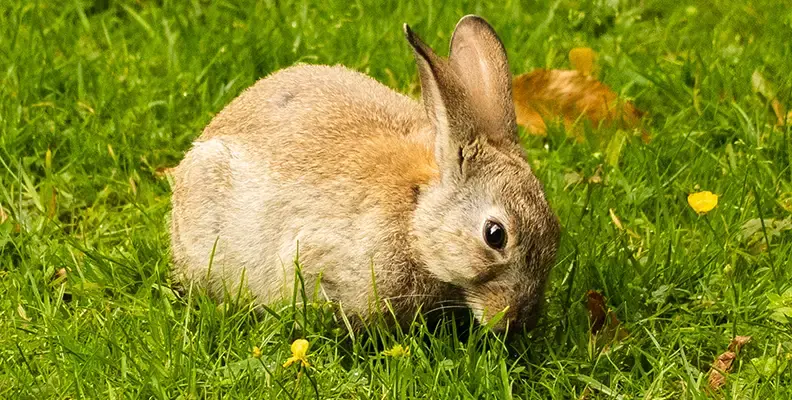
Rabbit worms are an important, but often misunderstood, aspect of rabbit health. While worms are far more commonly discussed in cats and dogs, rabbits are also at risk, particularly those that live outdoors or have access to grazing.
Understanding how worms affect rabbits, how infection occurs, and whether rabbit worming is needed helps keep pet rabbits happy and healthy. It's not a pretty subject, but here's our expert guide on the causes, symptoms and treatment of rabbit worms.
Can rabbits get worms?
A common question from any rabbit owner is, can rabbits get worms? Yes, they can. Rabbits may be exposed to several types of internal parasites, although worm infestation is less common in rabbits than in cats and dogs.
Stomach worms, such as Graphidium strigosum, are picked up from contaminated grazing areas and live in the rabbit’s stomach. Intestinal worms, including pinworms, inhabit the large intestine and are usually mild, often causing no noticeable symptoms.
Wild rabbits act as a natural reservoir for parasites, and pet rabbits that share outdoor space or graze on grass are more at risk. Affected rabbits may carry worms without showing obvious signs at first, which is why understanding risk factors is important, and creating a potential health plan is wise for all bunny owners.
How do rabbits get worms?
Rabbits get worms primarily by ingesting worm eggs or larvae from their environment. This can happen when a rabbit’s eating grass or other food contaminated with parasite eggs, or even when grooming themselves if eggs or larvae are on the coat. Shared grazing areas, overcrowding, and poor hygiene all increase the chances of exposure.
Can rabbits get worms from hay? While good-quality commercial hay is very low risk, hay that has been poorly stored or sourced from areas visited by wild rabbits could theoretically carry parasite eggs. While this risk is small, it’s a reminder to buy hay from reputable suppliers.
Owners often ask, can rabbits get worms from cats or dogs? Direct transmission from other pets is unlikely, as most worms are species-specific. However, cats and dogs can carry parasite eggs on their fur or paws, spreading them through shared outdoor spaces.
What are the signs of a rabbit with worms?
Not all rabbits with worms show symptoms, especially in the early stages. When signs do develop, they’re often vague. Common indicators include poor coat condition, reduced appetite, changes in droppings, lethargy, and weight changes. In more severe cases, rabbits may experience substantial weight loss, diarrhoea, or abdominal discomfort.
Young rabbits are particularly vulnerable, as their immune systems are still developing. Heavy worm burdens can interfere with growth and overall health. Any rabbit showing unexplained weight loss or changes in behaviour should be checked by a vet.
Rabbit worming treatment
Rabbit worming treatment should always be discussed with a vet, as not all anti parasitic products are safe for rabbits. Products designed for cats and dogs should never be used unless specifically prescribed. Using the wrong medication can be extremely dangerous.
When treatment is needed, your vet will recommend an appropriate worming treatment based on the type of worm suspected or confirmed. In some cases, faecal testing may be used to guide treatment decisions.
Environmental management is equally important. Cleaning housing thoroughly, removing contaminated bedding, and maintaining good hygiene all help reduce reinfection.
Do rabbits need worming as part of routine care?
Unlike cats and dogs, regular worming treatment for rabbits is not always recommended for all rabbits. Preventative worming is usually based on lifestyle and risk rather than done automatically. Outdoor rabbits, those that graze frequently, or those living in areas with wild rabbits may benefit from regular worming. While rabbit flea and worm treatments are available, these combined products should only be used under veterinary guidance.
Do indoor rabbits need worming? Indoor rabbits are at a much lower risk. In most cases, you don't necessarily have to protect your rabbit if they live indoors. Indoor-only rabbits do not require routine treatment unless a specific risk or diagnosis is identified.
How can rabbit worms be prevented?
Preventing worms in rabbits focuses on reducing exposure as the preventative treatment. If possible, rotate the areas where rabbits graze and avoid overusing the same grazing area for long periods. This will help to limit parasite build-up in the soil. Keeping grass short and removing droppings regularly also lowers risk.
Good-quality housing, clean food and water, and sourcing hay responsibly, all support prevention.
With informed care, rabbits and worms don’t have to be a major concern. Many pet rabbits will never experience a worm infestation, but it's good to recognise the symptoms in case you do need to treat your rabbit.
By understanding transmission risks, recognising early signs, and using appropriate treatment when needed, rabbit owners can ensure their bunnies stay comfortable, active, happy and healthy throughout their lives.
Everypaw Rabbit Insurance
Here at Everypaw, we want to help you keep your bunny healthy and in tip top shape. So, when it comes to your young rabbit’s care, Everypaw’s Rabbit Insurance could be just the cover to look after your little thumper.
Content created by Vetstream Vetlexicon - Clinical content for veterinary professionals
Vetlexicon is the world’s largest peer-reviewed online clinical reference source for veterinary professionals. All our content is written and peer-reviewed by over 1,000 of the world’s leading veterinarians, ensuring relevance, accuracy and quality.
- Vella D, Davies R R & Pellett S (online) Trichostrongylosis. In: Vetlexicon Lapis. Vetstream Ltd, UK.
- Speight C & Blake C (online) Pinworm infestation. In: Vetlexicon Lapis. Vetstream Ltd, UK.
- Vella D, Hedley J, Davies R R & Funiciello B (online) Oxyuriasis. In: Vetlexicon Lapis. Vetstream Ltd, UK.


