Symptoms and Treatment of Pancreatitis in Cats
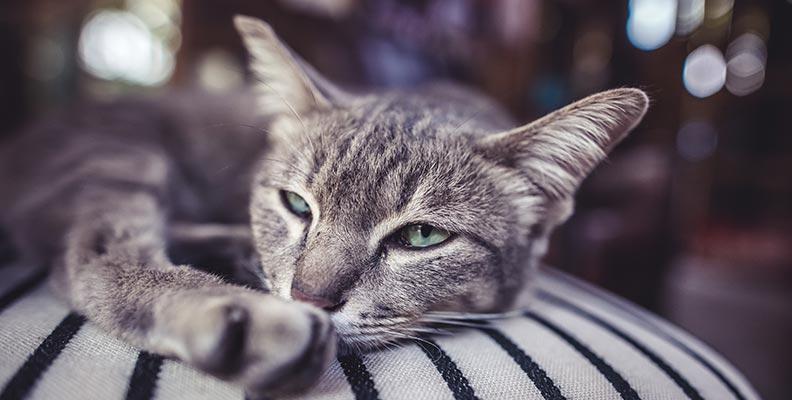
Pancreatitis in cats can be worrying for any pet owner, especially because the signs are often subtle and easy to miss. From mild lethargy, diarrhoea or reduced appetite to sudden vomiting, abdominal pain and severe illness, cat pancreatitis symptoms can vary widely.
This guide explains what pancreatitis is, what may cause it, how vets diagnose the condition, and what treatment options are available. Because cats are experts at hiding discomfort, even small changes in behaviour can be important. If your cat seems unwell, is eating less than usual, or shows any signs of pain, it’s always best to contact your vet promptly.
With early diagnosis, supportive care and the right treatment plan, many cats with pancreatitis can recover well. Here you can find out the the key signs of pancreatitis in cats and when to seek veterinary help.
What causes pancreatitis in cats?
There are a number of suspected causes of pancreatitis in cats including pancreatic duct obstruction, inflammation, infection, parasitic, metabolic etc. However, the actual cause of the disease is often not discovered. Pancreatitis in cats is often found alongside other inflammatory conditions such as inflammation of the liver or inflammatory bowel disease. When all three occur together this is referred to as ‘triaditis’.
Young to middle age cats are most commonly affected with the mean age of diagnosis being approximately 5 years of age. Some breeds, such as Siamese cats, are more commonly affected. There may be no symptoms at all.
Sometimes affected cats show abdominal pain, vomiting, diarrhoea, become lethargic and have a decreased appetite for food which can lead to weight loss. Sometimes, in the case of acute pancreatitis, the symptoms are very sudden, extreme and painful and affected cats can even go into shock due to pancreatitis.
Some cats experience protracted relapsing symptoms which can indicate a longer type of disease known as chronic pancreatitis in cats. Cats are more commonly affected by chronic pancreatitis.
What are the symptoms of pancreatitis in cats?
In mild cases, affected cats can just appear a little lethargic, possibly have diarrhoea or even show no clinical signs of disease at all.
In severe cases, pancreatitis in cats' symptoms can be extreme. Forms of acute pancreatitis can be challenging, cats can experience acute and severe abdominal pain, vomiting, and the condition can even cause death. For this reason, if your pet appears at all unwell a full examination by your vet is recommended so they can provide a diagnosis of pancreatitis.
Early testing and treatment are always advisable to reduce suffering and increase the likelihood of a favourable outcome for your pet.
How is pancreatitis in cats diagnosed?
If your cat shows any signs of pancreatitis, or of feeling unwell, a full check over by your vet is always advisable. If your vet suspects pancreatitis from the examination or the history, then they’ll advise further testing to diagnose pancreatitis.
Because pancreatitis in cats can occur without any symptoms, they may advise testing just to rule it out. Affected cats sometimes go on to develop a liver condition called hepatic lipidosis or fatty liver, this is caused by a protracted reduction in food intake due to the pancreatitis. After 3 days of not eating the risk of hepatic lipidosis climbs. If your vet suspects hepatic lipidosis they may do further tests to check the liver.
The most common test used to diagnose pancreatitis in cats is a blood test to check the feline pancreatic lipase levels. Feline pancreatic lipase is a primary digestive enzyme and one of the pancreatic enzymes produced in the pancreas. An elevation of the lipase enzyme can indicate pancreatitis.
Your vet may want to do further blood tests to check the pancreas for other conditions such as exocrine pancreatic insufficiency or diabetes mellitus which can develop in cats with chronic pancreatitis.
Diabetes mellitus can develop because the pancreas produces insulin which regulates blood sugar/ glucose levels, and pancreatitis can affect this function, as either a short or long term complication.
Your vet may want to do further blood tests to check other organs such as the liver. It’s likely that, if your vet has any concerns about the blood tests or the examination, they’ll advise imaging of the pancreas as the next step - often an ultrasound scan of the abdomen.
An ultrasound scan can determine how healthy the pancreas is, assess inflammation, and look for any structural changes to the pancreas that may be the triggering factor. A scan is also a good way to check for other problems with the pancreas such as a pancreatic tumour in cats. An ultrasound scan might also be used to assess the liver for inflammation or deposition of fat especially if you pet has stopped eating or has been eating less for more than a few days.
The pancreas is a difficult organ to scan, and your vet may advise referral to a specialist for this procedure. It may be that further imaging techniques are advised such as a CT scan.
Sometimes even with blood testing and imaging a diagnosis cannot be made and occasionally biopsies are required. Your vet will advise you on findings and any further testing required and each individual case is different.
What's the treatment pancreatitis in cats?
Pancreatitis in cats’ treatment is dependent upon the severity and type of pancreatitis affecting your cat. In cases that fail to respond, are very severe, or have untreatable underlying causes of pancreatitis in cats, when to euthanise is sometimes a question that needs to be considered. Your vet will guide you through this process if they feel treatment is ineffective or unlikely to succeed.
If an underlying cause can be identified it’s essential to rectify this alongside treating the pancreatitis. Thankfully many cases of pancreatitis in cats recover well with treatment. Some cats may need intravenous fluid therapy and a feeding tube to provide nutritional support which will involve hospitalisation.
Because cats are good at masking pain it's often the case that all cases of pancreatitis require pain relief. Because cats can develop hepatic lipidosis when they don’t eat/ have a poor appetite, anti-nausea medication is also often administered to ensure nausea isn’t going to cause complications to the recovery of pancreatitis in cats.
Pancreatitis is a complex and stressful condition for you and your cat. This may make you wonder if stress can cause pancreatitis. Although stress is not a direct cause of pancreatitis in cats it may slow down recovery so always try to minimise stress where possible.
Pancreatitis can be a severe and sometimes fatal condition, but milder cases can often make a full recovery and prompt diagnosis, and treatment is key to preventing escalation of the condition. If you’re concerned your cat may be suffering with pancreatitis contact your vet as soon as possible for assessment.
Everypaw Cat Insurance
Everypaw's Cat Insurance comes with 24/7 unlimited access to vets and vet nurses that can help with your pet's health, care, nutrition and behaviour. So you can rest assured your kitty will be well looked after.
Content created by Vetstream Vetlexicon - Clinical content for veterinary professionals
Vetlexicon is the world’s largest peer-reviewed online clinical reference source for veterinary professionals. All our content is written and peer-reviewed by over 1,000 of the world’s leading veterinarians, ensuring relevance, accuracy and quality.
- Nicholls P, Simpson K & Bazelle J (online) Pancreatitis. In: Vetlexicon Felis. Vetstream Ltd, UK.
- Vetstream Ltd, Battersby I, Fear Free & Green H (online) Pancreatitis. In: Vetlexicon Felis. Vetstream Ltd, UK.


