Everything You Need to Know About Luxating Patella in Cats
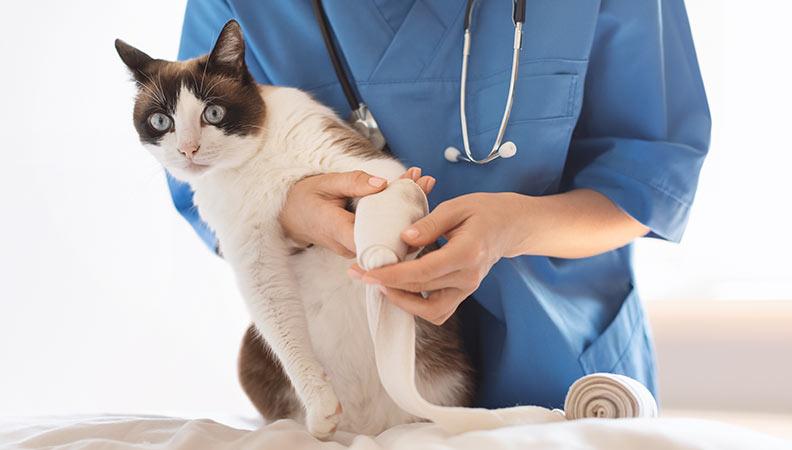
Luxating patella in cats is a condition where the kneecap slips out of its normal position within the trochlear groove of the knee joint, leading to varying degrees of lameness, discomfort, and mobility issues.
Although patellar luxation is far more commonly discussed in dogs, it can and does occur in cats, and recognising the signs early can make a meaningful difference in your cat's long-term comfort.
Because the condition often develops gradually, and cats are skilled at hiding pain, it may be detected only during a routine physical examination or when an owner notices subtle changes in mobility.
What is Patellar Luxation?
Patellar luxation occurs when the kneecap (patella) moves out of its correct position. Normally, the patella sits in the trochlear groove (a smooth channel at the end of the femur) and is held in place by the patellar ligament and surrounding soft tissues.
When these structures malfunction or develop abnormally, or when the tibial tuberosity pulls the patella abnormally, the patella can slide toward the inside or outside of the leg.
Medial luxating patella in cats is the most common form. This is where the kneecap moves toward the inner side of the limb. Less frequently, the patella may displace laterally. Bilateral luxating patellas in cats is when both hind legs are affected.
Patellar luxation can be congenital, often linked to developmental abnormalities, or acquired following trauma. Congenital luxating patella in cats is associated with certain breeds, including the Devon Rex, which has a known predisposition due to unique limb structure and hereditary factors.
How Common is Luxating Patella in Cats?
A frequent question from cat owners is: How common is luxating patella in cats?
The condition is not as common as in many small dog breeds, but it's still recognised in general practice. Some cases go unnoticed because cats naturally adapt their movement to avoid discomfort. Many vets diagnose it incidentally during examinations for another issue or during routine wellness checks.
Breeds such as the Devon Rex may be overrepresented due to congenital limb conformation, but any cat can be affected regardless of age, breed, or lifestyle.
Luxating Patella in Cats' Symptoms
Clinical presentation can vary widely. Some cats show almost no signs, while others struggle significantly. Common luxating patella in cats' symptoms include:
- Persistent or intermittent lameness
- Sudden skipping or "hopping" gait when the patella slips temporarily
- Decreased willingness to jump or climb
- Stiffness after resting
- Clicking sounds from the knee joint(s)
- Swelling or discomfort on manipulation of the stifle
Diagnosing Luxating Patella in Cats
Diagnosing a luxating patella in cats typically involves a hands-on orthopaedic examination. Your vet will gently manipulate the knee joint to assess how easily the patella moves out of place. The degree of luxation is usually graded from I to IV, with higher grades indicating greater displacement and structural changes.
X-rays may be taken to evaluate bone alignment, assess for arthritis, or rule out concurrent conditions, such as damage to the cranial cruciate ligament. Some cats with patellar luxation also have subtle femoral or tibial deformities that contribute to instability.
In more complex cases, advanced imaging such as CT may be recommended to plan surgical treatment.
How to Treat Luxating Patella in Cats
Management depends heavily on severity. Many mild cases can be managed conservatively, particularly if the luxation is low-grade and not causing significant pain. Options for how to treat a luxating patella in cats include conservative management or surgery:
Conservative Management
- Rest and controlled exercise
- Weight management
- Joint supplements
- Physiotherapy
- Use of anti-inflammatories to reduce pain and inflammation
For cats with grade I and some grade II luxations, these measures may be enough to keep a cat comfortable. However, if the patella frequently dislocates or if there's ongoing lameness, surgery may be recommended.
Patellar Luxation Surgery
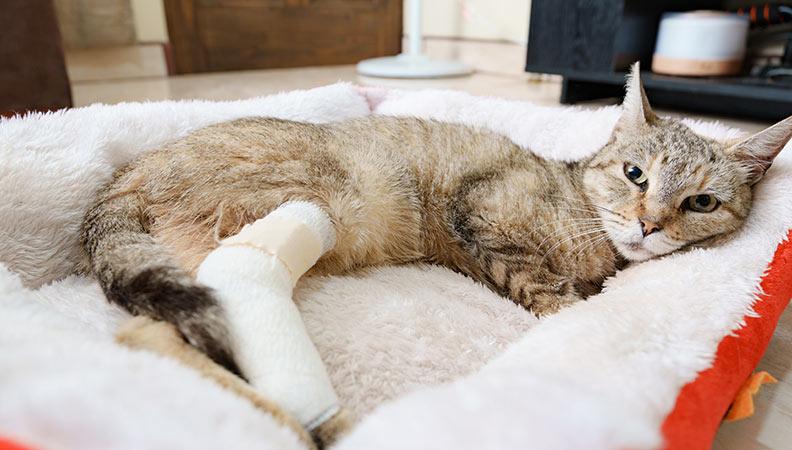
Patellar luxation surgery aims to restore stable alignment of the kneecap in the affected leg by correcting structural issues in and around the knee. Several techniques may be used, depending on what structural abnormalities are present.
One of the most common procedures is tibial tuberosity transposition, where the bony attachment of the patellar ligament is repositioned to improve tracking within the trochlear groove. The groove itself may also be deepened to better accommodate the patella. Surrounding soft tissues may be tightened or released to stabilise the joint.
The combined approach addresses the underlying structural cause and prevents future slippage. Because each cat's anatomy differs, the surgical plan is tailored to each cat.
Owners often ask; is luxating patella surgery in cats successful? In the majority of cases, yes. Surgical correction has a high success rate and can dramatically improve comfort, mobility, and long-term joint health, especially in younger cats or those with congenital luxation.
Luxating Patella in Cat Surgery Cost
The cost of surgery varies significantly depending on the severity of the luxation, geographic location, and whether advanced imaging or specialist intervention is needed. In general, owners can expect the cost to be comparable to orthopaedic surgery in dogs, often ranging from several hundred to a few thousand pounds.
While the cost can feel daunting, surgery is often the most effective way to address the mechanical instability and prevent future joint degeneration.
Will My Cat Fully Recover?
Long-term outcomes for cats with patellar luxation depend on early detection, appropriate treatment, and the presence of any underlying deformities.
With timely intervention and proper post-operative care, most cats return to excellent mobility. Cats with medial patellar luxation, especially congenital forms, may require lifelong monitoring, but many lead full, active lives after surgery.
For cats with mild patella luxation managed conservatively, monitoring for persistent lameness, reduced activity, or behavioural changes is important. Arthritis can develop over time, so supportive care remains essential.
Owners should always seek veterinary advice promptly if they notice new or worsening clinical signs, as early action is key to the best possible outcome.
Is Luxating Patella in Cats Painful?
Owners may wonder, "Is a luxating patella in cats painful?" The answer is yes - for many cats, discomfort is present, even if they try to hide it. Recurrent luxation can cause ongoing joint irritation, leading to inflammation, arthritis, and reduced mobility over time.
Early recognition through routine physical examination, careful monitoring of clinical signs, and timely intervention - whether conservative management or patellar luxation surgery - can make a huge difference.
While some affected cats live comfortably without surgery, others benefit greatly from surgical correction, which restores stability and prevents long-term joint damage. With proper care and attention, most cats, including those with congenital or bilateral luxating patellas, can enjoy an active, pain-free life.
Everypaw Cat Insurance
Everypaw's Cat Insurance comes with 24/7 unlimited access to vets and vet nurses that can help with your pet's health, care, nutrition and behaviour. So you can rest assured your kitty will be well looked after.
Content created by Vetstream Vetlexicon - Clinical content for veterinary professionals
Vetlexicon is the world’s largest peer-reviewed online clinical reference source for veterinary professionals. All our content is written and peer-reviewed by over 1,000 of the world’s leading veterinarians, ensuring relevance, accuracy and quality.
- Vetstream Ltd & McKeever F (online) Patella: luxation. In: Vetlexicon Felis. Vetstream Ltd, UK.


