Our Expert Guide to Caring For Brachycephalic Cats
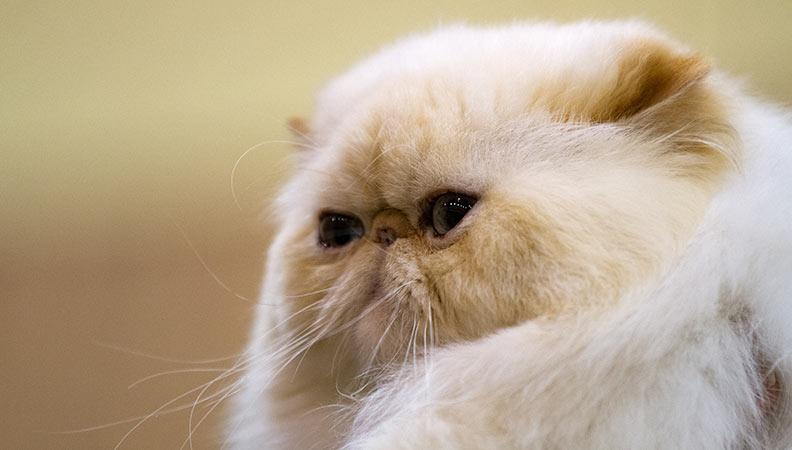
Brachycephalic cats are known for their flat faces, a trait that has become more pronounced through selective breeding over the last century.
Just like in Brachycephalic dogs, breeding cats for specific physical characteristics, such as shortened facial features, has resulted in anatomical changes that can predispose some cats to a range of health issues. Brachycephalic airway syndrome in cats can lead to significant breathing difficulties and should not be ignored.
If you own a brachycephalic cat and have concerns about their breathing or overall well-being, it's important to arrange a veterinary assessment so your vet can evaluate your pet and advise on their individual risk and management options.
What Does Brachycephalic Mean in Cats?
The word brachycephalic refers to the skull shape seen in flat-faced cats. "Brachy" means shortened, and "cephalic" means head, so the term literally translates to short head.
In cats with this conformation, the shortened face alters the structure of the nose and airways, which can lead to brachycephalic upper obstructive airway syndrome (BUAOS).
What Are Brachycephalic Cat Breeds?
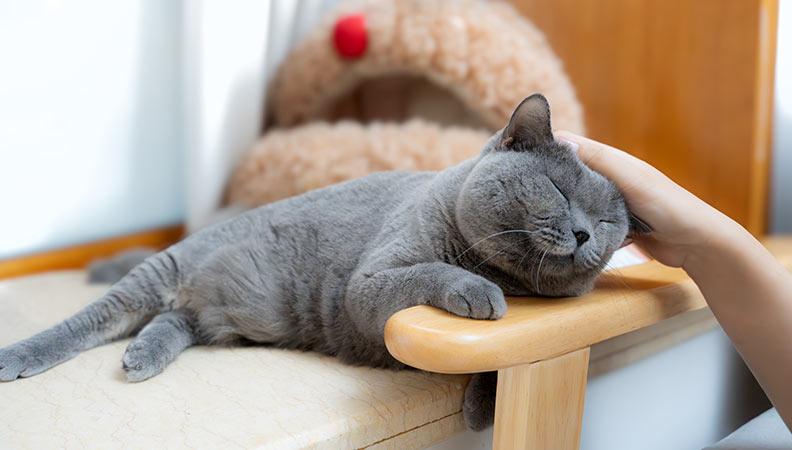
You may be wondering, are British Shorthair cats brachycephalic? Yes. British Shorthair cats are considered brachycephalic and are at risk of associated health issues.
Other brachycephalic breed cats include:
The anatomical traits of brachycephalic cats can place them at risk of developing brachycephalic upper airway obstruction syndrome (BUAOS).
What is BUAOS in brachycephalic cats?
Short-nosed, brachycephalic airway syndrome cats commonly have changes such as an elongated soft palate, everted laryngeal saccules, narrowed nostrils, a narrowed trachea and, in some cases, laryngeal collapse.
These upper airway abnormalities disrupt normal airflow, leading to obstruction and difficulty breathing. The severity of clinical signs depends on the extent of these anatomical abnormalities, and severely affected cats may experience significant respiratory distress.
The nasal cavity plays an important role in temperature regulation due to its rich blood supply. In brachycephalic cats, shortening and narrowing of the nasal passages reduces the surface area available for heat exchange. Many affected cats have stenotic nares (narrowed nostrils) and therefore rely more on mouth breathing.
Do Brachycephalic Cats Overheat?
As a result, during exercise or in warm or humid conditions, these cats struggle to cool themselves efficiently and are at a much higher risk of overheating. Limited exercise tolerance can also contribute to weight gain, which further worsens breathing difficulties.
In addition to breathing problems, brachycephalic cat breeds are predisposed to other health issues linked to their facial structure. Their protruding eyes make them more vulnerable to eye conditions such as dry eye, corneal trauma and corneal ulcers.
If you notice any breathing or eye-related concerns, early veterinary assessment is essential, as these problems can progress quickly and become serious if left untreated.
How Will My Vet Diagnose BUAOS?
Your vet may initially suspect BUAOS based on your cat's breed, but diagnosis always begins with a detailed clinical assessment.
During the first examination, your vet will carefully evaluate the visible parts of the nose and upper airways. If abnormalities are noted, or if your brachycephalic cat has displayed worrying signs such as the below, then further investigation is usually recommended:
- Mouth breathing
- Noisy breathing
- Laboured breathing
- Gagging/retching
- Cough
- Vomiting
- Collapse after exercise
- Worsening symptoms with heat, excitement, or activity
Diagnostic tests for BUAOS in brachycephalic cats may include blood tests, imaging such as X-rays or CT scans, and procedures like laryngoscopy to allow direct assessment of the upper airway structures.
In some cases, heart function may also be evaluated using tests such as an ECG to rule out contributing factors. As general anaesthesia carries higher risks in brachycephalic cats, your vet will carefully select the safest and most appropriate tests. The results help identify where airflow is restricted and how severe the changes are, allowing a tailored treatment plan to be developed.
How is BUAOS in Cats Treated?
If your cat is suffering from severe breathing difficulties or shows signs of open-mouth breathing, your vet will initially treat your cat as an emergency to stabilise breathing. Emergency treatment often involves oxygen therapy and drugs to reduce the inflammation in the airways and lungs.
The treatment for BUAOS depends on the degree of obstructive airway disease. Overweight cats will benefit from weight-loss regimens, which play a role in most BUAOS management and treatment plans for cats with a high body condition score. If your pet is struggling with any eye problems, medication, such as eye drops, may be needed.
Can Cats Have BUAOS Surgery?
Brachycephalic cat surgery may be recommended for some cats with more severe signs. The procedure typically focuses on widening the nostrils and removing excess tissue within the upper airways to improve airflow.
Because BUAOS surgery is complex and carries increased anaesthetic risk, your vet may advise referral to a specialist centre with experience in these cases. When surgery is successful, many cats experience a noticeable improvement in comfort, breathing, and overall quality of life.
What is the Brachycephalic Cat's Life Expectancy?
When the condition is recognised early, surgical intervention can help slow or halt disease progression. In contrast, untreated BUAOS may worsen over time, with ongoing airway changes leading to increased obstruction and more severe clinical signs.
Can BUAOS Be Prevented?
BUAOS is a hereditary condition, so prevention focuses on responsible breeding choices. Cats affected by BUAOS, or those with a known family history of the condition, should not be bred from.
When cats undergo BUAOS surgery, neutering is recommended at the same time to prevent the short-nosed traits linked to the condition from being passed on.
Because BUAOS has significant welfare implications, reducing its prevalence and severity within affected breeds is an important consideration.
What to Know When Choosing a Brachycephalic Kitten
In general, cats with a longer nose are less likely to develop severe BUAOS, which is worth bearing in mind when choosing a kitten. Prospective owners should also take time to see the parents and assess whether they show signs of an overly flat face.
BUAOS is a serious condition seen in some brachycephalic, flat-faced breeds. While not all flat-faced cats are affected, owners should seek veterinary advice if they have any concerns about their cat's breathing or exercise tolerance.
Living With a Brachycephalic Cat
Maintaining a healthy weight is particularly important, as excess weight can worsen breathing problems, and any changes in breathing should be checked promptly.
Early assessment and intervention can help slow disease progression, reduce complications, and improve long-term outcomes. With appropriate veterinary care and day-to-day management, many affected cats can still enjoy a long, comfortable life.
Everypaw Cat Insurance
Everypaw's Cat Insurance comes with 24/7 unlimited access to vets and vet nurses that can help with your pet's health, care, nutrition and behaviour. So you can rest assured your kitty will be well looked after.
Content created by Vetstream Vetlexicon - Clinical content for veterinary professionals
Vetlexicon is the world’s largest peer-reviewed online clinical reference source for veterinary professionals. All our content is written and peer-reviewed by over 1,000 of the world’s leading veterinarians, ensuring relevance, accuracy and quality.
- Vetstream Ltd (online) Brachycephalic airway obstruction. In: Vetlexicon Felis. Vetstream Ltd, UK.
- Godfrey D, Vetstream Ltd & Fear Free (online) Brachycephalic upper airway obstruction syndrome. In: Vetlexicon Felis. Vetstream Ltd, UK.


