Everything You Need To Know About Crate Training a Puppy
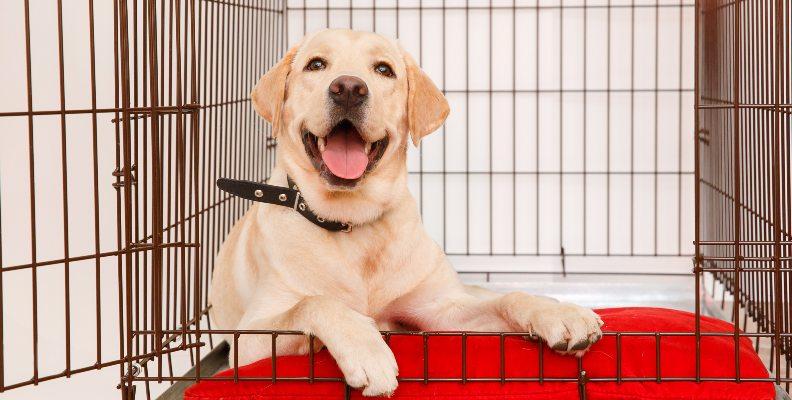
Welcome to the ultimate puppy chill-out zone. The perfect space for some downtime, an awesome travel carriage for when you take them on holiday, and a great way to help your buddy get their head around toilet training.
Here's the lowdown on how to crate train a puppy…
Puppies and Crate Training
Most of the time, your best buddy's up for pretty much anything. But when you're only a few months old, having fun can really take it out of you. And being so small during the morning breakfast rush in the middle of a playdate can be pretty hectic!
Why Does Crate Training Dogs Work?
To answer that, we have to take a journey back through time to your buddy's distant ancestors. Back in their day, they could just head off to their den when they were feeling sleepy or stressed. The den was safe, familiar and quiet - and it was their space, so they knew instinctively to keep it clean.
Truth is, we all need a bit of me time occasionally. So, the den vibe is exactly what you're trying to recreate with crate training. It's your buddy's familiar place; it comes in handy for teaching him the right way of behaving, and if he's happy in his crate, chances are he'll feel at home riding in it on the next family road trip.
The main principle of crate training puppies is based on the fact that dogs prefer not to go to the toilet in the same place where they sleep. Crate training is a good way to train puppies and adult dogs.
A comfy crate will provide your puppy with a hideaway where they'll feel happy and secure. Crate training will also help prevent destructive behaviours like chewing and protect your puppy from potential dangers like house electrics.
What Are the Benefits of Puppy Crate Training?
Crate training can help to housetrain a puppy. The process teaches them to wait until they're outside to go to the toilet. It also helps keep curious puppies from getting up to mischief! Being the owner of a cute bundle of fluff can be stressful, and we want to keep them safe from dangers around the house and possible destructive behaviour.
When crate training your puppy, the idea is to get them to associate it with good things and experiences. This will encourage your puppy to return to their crate and use it as a safe place as they grow up. Sometimes, dogs will continue to use their crate as adults, too.
It's likely your pup was born into an environment where the breeder used a crated puppy pen to make sure Mum and pups stayed safe while they were very young. Or a crated puppy playpen to have fun with their brothers and sisters. If so, moving your new pup to a crate when you get them home will hopefully be pretty familiar.
How to Crate Train a Puppy?
So, how do you get your puppy to fall in love with his new crib? Here is our step-by-step guide to the best way to crate train a puppy…
Step 1. Pick the Right Size Crate
Sadly, they won't be this tiny forever, so think about how big your pup is eventually going to get when choosing a dog crate. Your crate should be large enough for your dog to stand up, turn around, stretch and lie down. But you're aiming for a cosy vibe, so don't make it too big - a pup doesn't need an adult-sized crate right off the bat!
Stick to the one-crate-per-dog rule: If there are two or more of your furry friends in there together, it might be fun for a while, but pretty soon they'll end up annoying and distracting each other.
Remember, downtime is the aim of the game.
Step 2. Make it Cosy
So, first things first: make the crate appealing. Put it in a quiet corner of a quite busy room, like the living room. That way, when your buddy heads inside, they'll get some downtime without feeling completely separated from the family. Make sure the crate is out of direct sunlight, and there's no draught.
Next, get decorating! Do it when your buddy's out of the room. Throw in some soft bedding and a handful of squeaky chew toys - along with a couple of tasty treats. To make it extra cosy and inviting, pop a blanket over the crate.
Step 3. Grabbing Their Attention (Play it Cool)
Make sure the crate door is fixed open - and bring your buddy into the room. At first, they'll be curious and confused. Don't make a fuss. Chill. Let them explore it for themselves.
If they don't seem interested, try having a couple of treats ready or place their favourite toys near the crate. With this approach, you get progressively closer so you're eventually placing items in there, and your buddy's happy going inside to get them.
This familiarisation process can sometimes take a few days - so be patient.
Step 4. Ramp Up the Crate Time
They're happy going in and out of the crate. Now you want them actually to stay in there for a while.
So, how about a meal? At dinner time, put the food bowl inside the crate. If they're happy to eat in there, nice work! If they're still not sure, place the bowl just outside the crate. For the next meal, move it closer - and then try it inside again.
A day later, let them have their dinner in there - but close the door while they're eating. Open it as soon as they've finished and be on hand to open it if they seem stressed.
Next (if they seem cool with it), leave the door closed for a while after they've finished eating.
Step 5. Taking a Step Back
So, you're gradually increasing the length of time your pup's in the cage with the door closed.
For the next step, try leaving the room for short periods while they're inside, starting with just a few minutes at first. If it goes well and your pup stays calm, try it for a bit longer next time. By the end, your buddy should be pretty chilled being on their own in there for up to half an hour.
As their training progresses and they become more confident, you can gradually increase the time they spend in their crate.
Step 6. Home From Home...
Learning to love a crate doesn't happen overnight. For some dogs, it will only take a day or two; for others, it will take much longer. But eventually, instinct has a habit of kicking in: your buddy will come to realise this is my space, and I'm happy to be here.
You know you've got it right when your buddy starts thinking along these lines:
- This place has everything I need to kick back and relax.
- I’m going to come here whenever I’m stressed or tired.
- There’s better stuff to chew on in here than tearing up the sofa.
- If my human tells me to chill out in here for a while, I’m cool with it.
- Think I’ll hold it in till’ later, don’t want to mess up my new pad.
How Long to Leave a Puppy in a Crate?
So, we know it's their very own Zen den, but how long can you leave your puppy in their crate? Well, that all depends on how old they are and how big they are. If they're only a couple of months old, they won't be able to stay in their crate for very long without needing a wee.
If they're happily crate trained, puppies less than six months old shouldn't really be left for more than a couple of hours at a time. As they get older, they'll be able to stay for longer, but you should never leave your dog in their crate for longer than a few hours, even if you let them out for a wee every now and then.
Your dog's breed will also determine how long they can stay in their crate. If you have a small breed dog, they'll have a small bladder, so you'll probably need more regular loo breaks. And don't forget: no matter how long you leave your puppy or dog in their crate, make sure they have access to plenty of fresh water.
Crate Training a Puppy at Night
If you want to crate train your puppy so it can sleep in it overnight, start by putting the crate in a room near yours so you can hear it if they cry. If your pup cries during the night, it usually means they need to go to the toilet. Your puppy will only have a small bladder, so they'll probably need to go out for a wee a couple of times during the night. This will usually last for a couple of weeks.
As your puppy develops and gets older, they'll need fewer pee breaks until they can eventually sleep throughout the night. This usually happens around three or four months old. At this point in their training, your puppy will be able to hold on and won't need to go for a wee until the rest of the family gets up in the morning.
So, Should You Crate Train a Puppy?
Crate training your dog is a great way to make your puppy feel safe and comfortable. It will be their safe space where they can escape if they're feeling scared or unsure about anything, but it'll also be their chill-out and happy place. Not only that, but having a puppy that's happily crate-trained can speed up the housetraining process, protect your furniture from being chewed, and keep your pup from potential hazards around the house.
Everypaw Puppy Insurance
Everypaw's Puppy Insurance comes with 24/7 unlimited access to vets and vet nurses that can help with your pet's health, care, nutrition and behaviour. So you can rest assured your pup will be well looked after.
Content created by Vetstream Vetlexicon - Clinical content for veterinary professionals
Vetlexicon is the world’s largest peer-reviewed online clinical reference source for veterinary professionals. All our content is written and peer-reviewed by over 1,000 of the world’s leading veterinarians, ensuring relevance, accuracy and quality.
- VetFolio, Vetstream Ltd & Fear Free (online) Crate training your puppy. In: Vetlexicon Canis. Vetstream Ltd, UK.


