Rabbit Development: You and Your Adult Rabbit
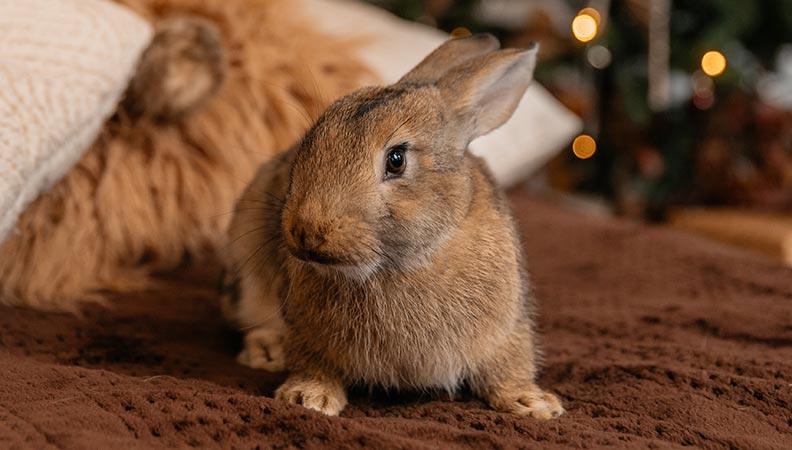
You've cared for your baby bunnies from their young weeks of age, through their teenage years but as your rabbit reaches adulthood, there's further development.
As your bunny enters their adult years, you'll see that they tend to calm down and their personalities are clear to see! The bond with your bunny should also be well established. Your pet rabbit will trust you and you’ll know their quirky little ways, what they like and what they don’t. Your bunny will definitely be part of the family by now, but you still need to support healthy habits and understand their behaviour as they continue their development.
Understanding Adult Rabbit Behaviour
If you’ve taken the time in the first few months of owning your baby rabbit to slowly introduce them to their new home, surroundings, and other pets, they should be very happy bunnies! They’ll enjoy spending more time with you, but also won’t be afraid to head off exploring on their own.
As they develop into an adult rabbit, there may still be some behaviours that you haven’t seen your rabbit do yet. Over time you’ll get to understand if they’re normal behaviours or if they’re behaving in a strange way because they’re stressed or are unwell. It’s also important to understand that some of your bunny’s behaviours aren’t always ‘bad’ behaviours, they’re just behaviours that rabbits love to exhibit in the wild.
There are so many behaviours that we can’t mention them all here! But things like chin rubbing, feet thumping, standing on their hindlegs, leaping around, lying on their side stretched out, and spraying urine are all very normal.
Some rabbit behaviours that should ring alarm bells include stomach pressing, hunching up, being reluctant to move and rapid breathing. These are all signs that your bunny is in pain. Loud teeth grinding is another common sign of pain. But don’t confuse this with gentle teeth grinding, this means your bunny is very happy, a bit like a cat purring – they’ll probably do this when you’re stroking them!
With time and experience you’ll soon understand even the most subtle communications from your furry friend. Some bunnies are more expressive than others, but it’s important to know what’s normal or not for your bunny. If you’re ever unsure, a quick call to your vet and they should be able to put your mind at rest if you’re worried about any new or strange behaviours.
Adult Rabbit Development and Appearance
Now your little bundle of fluff is a fully-fledged adult bunny. Some breeds take a bit longer to develop than others. Small breeds like the Netherland Dwarf or Lionhead, develop quite quickly and are usually fully grown by 6 months old. But Giant breeds like the Flemish Giant can take up to 18 months to be fully grown.
Now, the only things that continue to grow and change during your rabbit’s adult years are their teeth, claws, and coat!
Feeding Your Adult Rabbit
Hopefully you’ve got into a good feeding routine with your rabbit, and your rabbit's nutrition gives them very happy tummies. They should be happily munching on hay and pellets with green leaves to supplement their diet. Remember, at least 80% of your rabbit’s diet should consist of high-quality hay and grass to support their digestive health.
It’s important to remember that rabbits have quite a complicated digestive system. And their tummies can be sensitive to new foods. By now you are probably feeding your rabbits fresh veg into their diet as part of their adult rabbit food. A variety of these will keep your bunny interested in their food, variety is the spice of life after all!
Remember to steer clear of any greens that could upset their tummy like kale, spring greens and dandelions. These should only really be fed as a treat every now and then. And avoid sugary treats, they’re not good for any of us, especially bunnies! You should be mindful of the amount you feed them as too many treats or high-calorie pellets can make them gain weight.
Caring for Your Adult Rabbit's Health
Throughout your bunny’s life they’ll need regular tlc to make sure they stay happy and healthy. Regular grooming and health checks at home are important as well as regular vet visits for vaccinations, dental checks and nail trims if needed. At home, when grooming your bunny, you can check them over for any obvious problems with their ears, eyes, skin, and teeth. There are some health issues, especially those common in specific breeds that, you should keep an eye out for.
Common Health Problems in Adult Rabbits
There are some common health problems that can affect adult rabbits:
- Gastrointestinal stasis - your rabbit's digestive system will slow down if they start eating or drinking less than normal. It’s an emergency so call your vet straight away.
- Snuffles - signs of runny eyes and nose, and sneezing, a bit like when you have a cold! In rabbits it can be fatal and should be treated as soon as possible.
- Parasites - ear mites, ticks, flies and fleas can all cause problems. Check your rabbit’s ears and bottom regularly to make sure they’re not infected.
- Myxomatosis and rabbit haemorrhagic disease - vaccines are available for both of these, so as long as you keep your bunny’s vaccinations up to date, they shouldn’t be a problem for your furry friend.
- Heat stroke (overheating) - rabbits don’t handle heat very well so can easily overheat. Give your rabbit plenty of places to hide in the shade outside. And make sure their enclosure isn’t close to radiators or other heat sources if they live indoors.
- Obesity - wild rabbits are constantly on the move, using up energy digging burrows, finding food, staying alert to any dangers, and keeping warm in the winter. A healthy diet and plenty of exercise is the name of the game. If you’re worried about your bunny being overweight, take them to your vet for a weigh-in!
- Overgrown teeth - rabbit’s teeth grow continuously, so they need to wear them down by chewing and gnawing. If your rabbit’s teeth don’t line up properly (malocclusion), they can become overgrown. Common in brachycephalic breeds but can happen in any breed if the rabbit is fed a poor diet.
If you have a giant breed of rabbit, these conditions can affect them when they become an adult:
- Arthritis - common at a much younger age than smaller breeds. You may notice your bunny generally slowing down or shuffling around on their back legs. With medication and veterinary care, rabbits can be treated and managed so your bunny can continue to live a pain-free and happy life.
- Flystrike - giant breeds can struggle to clean themselves so flies are attracted to the soiled or wet fur. It’s commonly seen around the tail area, but any area can be affected. The flies lay their eggs on the rabbit and cause tissue damage and pain. It can be fatal so make sure you check your bunny over regularly!
- Sore hocks (the heel of the foot) - caused by the weight and pressure that’s put on their feet. The skin becomes sore and inflamed. If it’s not spotted and treated early, it can cause infection. Give your bunny a nice thick, soft layer of bedding in their enclosure. And check their feet regularly for any early signs like redness or crusting.
If you have a lop-eared rabbit, the following conditions should be looked out for when they're an adult:
- Ear infections - lop eared breeds have narrow ear canals compared to other breeds. This can cause excess wax build-up, ear infections and ear pain. Scratching their ears, headshaking, tilting their head to one side are common signs of infection.
- Otitis - caused by mites or bacterial infections. Signs are the same as an ear infection, but crusts and scabs down the ear canal are common for otitis. Check your bunny’s ears regularly for mites to avoid any future problems.
For adult long-haired rabbits, they can be susceptible to the following conditions:
- Hairballs - long-haired breeds consume more and longer strands of hair than shorter furred breeds. Hairballs can lead to tummy problems. Signs are eating less, producing fewer, smaller, harder droppings or droppings strung together with hair, moving around less, and grinding their teeth loudly if they’re in pain. Bunnies with blockages often deteriorate quickly, so call your vet for so your bunny gets treatment as soon as possible.
- Hair matting - matting can be very uncomfortable for your rabbit and lead to skin infections. Regular grooming is essential to prevent them. Rabbits have very thin and delicate skin, so be very gentle when grooming your bunny. If you struggle to brush or tease out any matting, you may need to cut them out. Ask your vet to clip your rabbit if you’re worried about cutting mats out. This will avoid any unnecessary injuries.
- Fur soiling - poop-smeared fur can lead to flystrike. Keep the fur on your bunny’s bottom trimmed to avoid any potential problems. If you notice any poop on their bottom, gently clean it away with some cotton wool and lukewarm water.
Short-nosed adult rabbits can suffer from the following conditions:
- Brachycephalic syndrome - a condition that can lead to severe respiratory distress. Brachycephalic breeds also suffer from other health issues like difficulty eating and dental problems because their teeth don’t line up properly.
- Eye problems - inflammation of the tear ducts is common because of the abnormal shape of their faces. If your bunny has weepy eyes, they could have this problem.
- Heat stroke - because of their short noses, breathing can be difficult. They struggle to cope with heat and stressful situations because they’re unable to breathe in enough oxygen to oxygenate the tissues to keep them alive.
Training and Exercise for Adult Rabbits
With positive rewards, you’ll be able to train your rabbit to do lots of things. It’ll keep them mentally stimulated and can also form part of their daily exercise. Wild rabbits can roam over 3 miles every day, this gives you an idea of how much exercise your furry rabbit needs. A lazy bun will soon pile on the pounds!
They may need some encouragement to exercise if they’re more of a couch potato. Get them up on their feet playing with their favourite toys, doing some agility, or learning new tricks. You should let your rabbit have a couple of hours of free run twice a day, ideally in a safe and secure run outside so they can graze, forage and play.
Keeping up with Rabbit Vaccinations
Bunny vaccinations are very important! There are a couple of deadly diseases you won’t want your rabbit to catch.
Your young rabbit should already have had their first vaccinations at around 5-7 weeks. Hopefully the breeder gave you information including dates and what vaccinations they were given. The most important diseases to be vaccinated against are myxomatosis and rabbit haemorrhagic disease. The timing of the vaccinations will depend on the type of vaccines given, so it’s best to check with your vet on exact timings.
Everypaw Rabbit Insurance
Here at Everypaw, we want to help you keep your bunny healthy and in tip top shape. So, when it comes to your young rabbit’s care, Everypaw’s Rabbit Insurance could be just the cover to look after your little thumper.
New rabbit policies are available from 8 weeks of age up to 5 years old. As long as your bunny's insured before their 5th birthday, and you don't cancel the policy, we'll continue to look after them all the way through their adult years.
Content created by Vetstream Vetlexicon - Clinical content for veterinary professionals
Vetlexicon is the world’s largest peer-reviewed online clinical reference source for veterinary professionals. All our content is written and peer-reviewed by over 1,000 of the world’s leading veterinarians, ensuring relevance, accuracy and quality.
- Speight C & Purnell E (online) Brachycephalic syndrome. In: Vetlexicon Lapis. Vetstream Ltd, UK.
- Speight C, Mancinelli E & Hamlin J (online) Fleas – an itchy business. In: Vetlexicon Lapis. Vetstream Ltd, UK.
- Speight C & Purnell E (online) Ocular discharge. In: Vetlexicon Lapis. Vetstream Ltd, UK.
- Speight C & Purnell E (online) Stress in rabbits. In: Vetlexicon Lapis. Vetstream Ltd, UK.
- Thompson L & Speight C (online) Hyperthermia - overheating. In: Vetlexicon Lapis. Vetstream Ltd, UK.
- Vetstream Ltd (online) Choosing a rabbit. In: Vetlexicon Lapis. Vetstream Ltd, UK.
- Vetstream Ltd (online) Dental checks. In: Vetlexicon Lapis. Vetstream Ltd, UK.
- Vetstream Ltd & Speight C (online) Ear canker. In: Vetlexicon Lapis. Vetstream Ltd, UK.
- Vetstream Ltd & Brown S (online) Exercise – keeping your rabbit fit. In: Vetlexicon Lapis. Vetstream Ltd, UK.
- Vetstream Ltd (online) Feeding your rabbit. In: Vetlexicon Lapis. Vetstream Ltd, UK.
- Vetstream Ltd & Speight C (online) Gastrointestinal stasis. In: Vetlexicon Lapis. Vetstream Ltd, UK.
- Vetstream Ltd & Speight C (online) Grass and hay. In: Vetlexicon Lapis. Vetstream Ltd, UK.
- Vetstream Ltd (online) Grooming your rabbit. In: Vetlexicon Lapis. Vetstream Ltd, UK.
- Vetstream Ltd & Speight C (online) Health checks – what to do! In: Vetlexicon Lapis. Vetstream Ltd, UK.
- Vetstream Ltd & Lightfoot M (online) Introducing to other pets. In: Vetlexicon Lapis. Vetstream Ltd, UK.
- Vetstream Ltd (online) Is a rabbit right for me? In: Vetlexicon Lapis. Vetstream Ltd, UK.
- Vetstream Ltd (online) Litter training your rabbit. In: Vetlexicon Lapis. Vetstream Ltd, UK.
- Vetstream Ltd & Speight C (online) Teeth problems - overgrowth. In: Vetlexicon Lapis. Vetstream Ltd, UK.
- Vetstream Ltd, Speight C & Wissink-Argilaga N (online) Vaccinations – essential protection. In: Vetlexicon Lapis. Vetstream Ltd, UK.


