Foreign Bodies in Dogs and Watching What They Eat
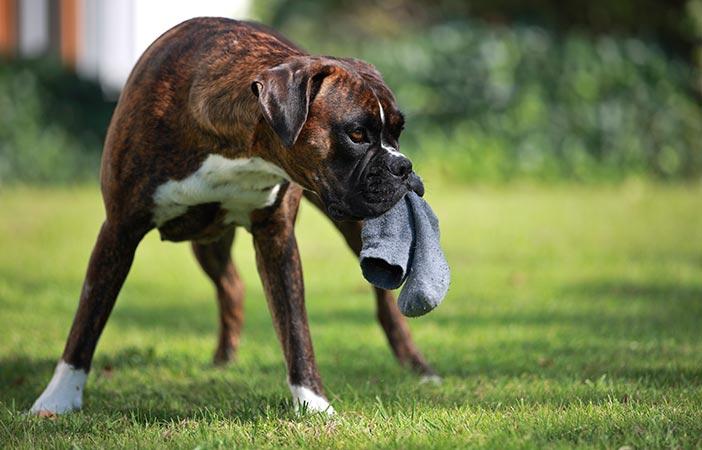
Dogs often eat things they shouldn’t, especially puppies! As a concerned dog owner, you'll always be wary of what they decide to chew on because the result can be serious. Sometimes these foreign bodies, though easily swallowed, can’t pass through their gastrointestinal tract. If the object is small enough, it’ll just pass through in the dog’s poo without any issue.
What is a Foreign Body in a Dog?
In terms of foreign body ingestion in dogs, if the object is too large to naturally pass through the intestinal tract, it can get stuck in the stomach or intestines. This intestinal or stomach obstruction is then known as a foreign body.
Foreign bodies can cause serious problems if they cause a blockage. Contact your vet immediately if you think your dog has eaten something it shouldn’t or has an stomach or intestinal obstruction.
Types of Foreign Bodies in Dogs
Dogs that are greedy or like to scavenge can end up with a foreign body obstruction. Common foreign bodies that dogs may swallow include:
- Toys, in particular parts of squeaky toys
- Socks and other items of underwear
- Long objects like threads, string, ribbons, tinsel and fishing lines (called linear foreign bodies). These may seem harmless, but they can stick to the intestines, causing them to bunch up into a knot. This can stop food passing through. They can also cause a hole to develop in the intestines through which contents in the gut can leak into the abdomen. This can lead to peritonitis which is a serious condition that can be fatal.
- Stones. These may not cause any problems but can show up on X-rays that have been taken for another unrelated problem.
- Old coins and batteries can be toxic to dogs and can sit in their stomachs for some time, causing them to be unwell.
- Chicken bones. Avoid giving your dog cooked chicken bones (or any cooked animal bones) as they can easily splinter and cause internal injuries. If your dog has eaten a chicken bone, ask your vet for advice.
- Chewing gum can also lead to an intestinal blockage if eaten in large quantities. Gum can’t be broken down and digested and surgery may be needed to remove it. Chewing gum can also contain the artificial sweetener, xylitol, which is toxic to dogs.
Knowing the Signs of Foreign Body Obstruction in Dogs
A foreign body in a dog’s stomach can remain there for long periods without causing any problems. But some can block the flow of contents from the stomach, preventing food from leaving. This can cause your dog to vomit hours after they’ve eaten.
If the FB is small, it may pass through the stomach only and block the intestinal tract. This blockage will cause your dog to show clinical signs of being unwell with tummy pain along with vomiting and diarrhoea. They’ll need immediate veterinary attention.
Your vet may suspect an intestinal blockage from the information you have given. They’ll also feel your dog’s tummy to see if there is pain and tenderness in that area. They may even be able to feel the outline of the swallowed object, but abdominal X-rays or ultrasounds will confirm if there’s a foreign body. A contrast material may be used to make it easier to see any foreign bodies.
Your vet may also want to take blood tests and give intravenous fluids if your dog is dehydrated after vomiting or having diarrhoea.
Treatment for Foreign Body Ingestion in Dogs
Your vet will perform a physical examination, an abdominal radiograph or x-ray to identify the obstruction and the location of the foreign body in your dog's digestive tract. Once a foreign body has been identified, it will need to be removed! The degree of obstruction depends on the item itself.
Occasionally, the foreign object in the stomach can be grabbed by a flexible endoscope (gastroscopy) and removed via the oesophagus and out of their mouth. But in most cases, surgery is needed to open up the abdomen (known as a gastrotomy procedure) to remove the foreign object.
If the intestinal foreign body has compromised the blood supply to the intestines, this can result in permanent damage. Your vet will also check for any damage and repair it if needed. Your dog will be a bit sore for a few days after the surgery and will either remain in hospital or have nursing care at home. They’ll be monitored to check that they’re able to eat, drink and pass stools as normal before they’re allowed home.
Stopping your Dog from Swallowing Foreign Bodies
The best way to prevent your dog ingesting a foreign body is to make sure that anything small and easily swallowed is kept away from them. Not always easy, especially if your dog is curious and likes to eat everything, but don’t let them play with small balls or toys that can be chewed into smaller bits.
Some dogs seem to be ‘repeat offenders’ and can end up having multiple surgeries to remove foreign bodies. If your dog is a stone chewer, a muzzle might be the answer. Start training early to teach your dog not to pick up and eat or chew things that could potentially cause a problem!
Everypaw Dog Insurance
Foreign body ingestion can cause serious problems and can potentially be life-threatening. If you’re worried that your dog may have a foreign body obstruction or recognise the signs of foreign body in dogs, ask your vet for advice. Your dog may need immediate emergency surgery.
Everypaw's Dog Insurance comes with 24/7 unlimited access to vets and vet nurses that can help with your pet's health, care, nutrition and behaviour. So you can rest assured your pup will be well looked after.
Content created by Vetstream Vetlexicon - Clinical content for veterinary professionals
Vetlexicon is the world’s largest peer-reviewed online clinical reference source for veterinary professionals. All our content is written and peer-reviewed by over 1,000 of the world’s leading veterinarians, ensuring relevance, accuracy and quality.
- Vetstream Ltd, Chris Shales (online) Gastrointestinal foreign bodies in dogs. In: Vetlexicon Canis. Vetstream Ltd, UK.
- James Simpson, Kenneth Simpson (online) Stomach: foreign body. In: Vetlexicon Canis. Vetstream Ltd, UK.
- Ken Harkin, James Simpson (online) Stomach: linear foreign bodies. In: Vetlexicon Canis. Vetstream Ltd, UK.


