How Much Are Dogs? The Real Cost of Owning a Dog
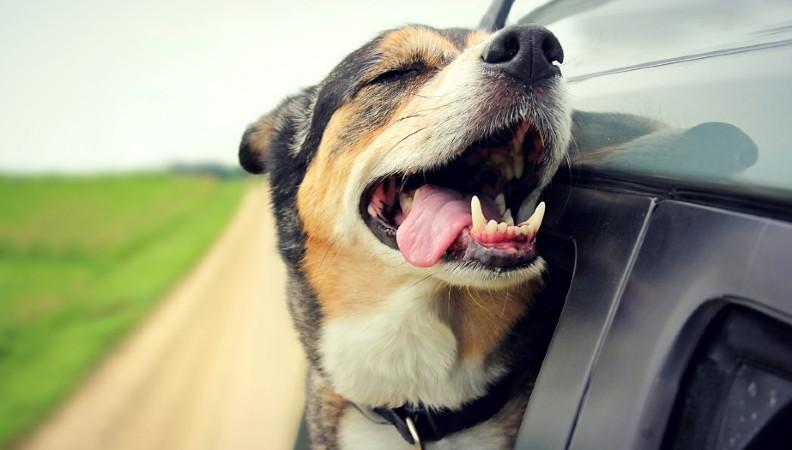
From topping up your doggy treat cupboard through to those all-important trips to the vet, plus unexpected vet bills. There are a lot of things to consider: monthly costs, annual costs, and lifetime costs. Owning a dog is not always cheap.
Many new owners start by asking, "How much are dogs?" so they can understand what long-term care might really cost.
So we've done some digging to find out the costs of owning a dog and what it really takes to keep your dog happy, healthy and safe. It's worth noting that prices can vary depending on various factors. But here's (woofly) what you'd be looking at in terms of costs.
What is the Cost of Buying a Dog?
The average price range for buying a puppy is around £500-£5,000+.
The amount you can expect to pay when buying a dog can vary quite a lot depending on the type of dog breed and age. But this figure is typical for many pedigree pups. You can expect to pay over £5,000 for popular or more exotic breeds.
Since the surge in dog ownership during COVID, the price of pedigree dogs, particularly purebred dogs, has risen dramatically. With the price of pups increasing so much, you want to be sure that you're only using reputable breeders to find your perfect pooch companion. It helps to know what you're looking for in a good breeder, as well as the laws governing puppy breeding.
But is Rehoming a Dog Free?
Rehoming a dog is definitely an option. But it's unlikely to be free. Many rescue and rehoming centres will charge a dog adoption fee. These fees do vary from centre to centre.
However, for reference, here are some ballpark figures from some of the biggest centres in the UK:
- All Dogs Matter charges between £300 - £350.
- Blue Cross can charge up to £500 (depending on the age of the pup).
- Pet Rehomer up to £295 (depending on the age of the pup).
Adoption fees are designed to cover veterinary expenses, including microchipping, neutering, spaying, and any required vaccinations.
As well as giving a dog a second chance, rehoming can help you cut down the initial average dog outlay. But it's also an important part of understanding how much it costs to own a dog overall.
Dog Equipment Costs
Here are all the items you’ll need to buy so you're ready when you bring your dog home...
- Dog bed: £50
- Blankets: £20
- Dog carrier: £50
- Dog crate: £50 - £150 (depending on size)
- Food and drink bowls: £20
- Collar: £10 - £20
- ID tag: £5
- Microchipping £10 - £30
- Lead and outdoor clothing: £40 (altogether)
- Toys: £50 - [insert amount] (we like spoiling our pups)
- Dog walking: £20 per walk
- Food: £200 - £600 (annually - depending on breed)
- Grooming: £200 - £500 (annually - depending on breed)
Dog Bed and Blankets
A high-quality, machine-washable bed will typically last 2 to 3 years. When the filling loses its oomph, and the blankets or covers become frayed, bobbled, or torn, it's time to replace them.
Dog Carrier and Crate
Especially for small dogs, you can opt for a crate that also doubles as a transporter, so you only need to buy one unit.
Constructed from wire or plastic, these items should last forever. A larger crate will be needed if you plan to crate train your dog. These can be quite expensive, especially if you've got a particularly big dog, but they're worth their weight in gold!
Food Bowls
You'll need one each for food and water. If you opt for stainless steel or aluminium instead of plastic, there's less chance of the bowls warping, cracking, or being smashed.
Collar and Tag
Opt for an adjustable collar so you can resize it as your dog grows. Basic engraved ID tags can be bought online for as little as £5.
Microchipping
Microchipping your dog is a legal requirement over 8 weeks of age. A puppy can't be sold before this age.
If you buy a puppy from a breeder, they should already have been chipped. Just make sure they've done this before you think about bringing your dog home.
You'll need to make sure your details are logged with the microchipping service provider (transfer of keepership). There's usually an admin charge for this attached to the cost of microchipping a pup.
Lead and Outdoor Clothing
Depending on the breed, you might need to graduate to a longer lead as your pup gets bigger. The need for an outdoor jacket (and boots) also depends on breed type; it's a necessity for short-haired breeds when exercising them in the colder months.
Toys
OK. So, this could be an infinite amount, depending on how much you love spoiling your pooch. But £50 should be enough for a healthy stash of balls, chewies, puzzle toys, frisbees and other bits and pieces to keep your puppy's mind and body active. Rips, cracks, warping and sharp edges are all signs that a toy needs to be replaced.
Dog Walking
You're probably thinking, "I don't need to pay to walk my own dog!" But what happens if family or work commitments prevent you from giving your dog the exercise they need each day?
Dog walker fees can vary hugely, but these rates are typical throughout the UK. Dogs are usually walked in small groups, so your pooch will need to be well socialised before you use these types of services. If that includes training classes, then this cost could increase further.
Some dog walking services may even be able to provide complete- or part-day care, so you could consider this. But the costs could become expensive if they're not looked after regularly.
Dog Food
On average, dog owners can expect to spend between £200 and £600 on dog food per year. That said, the diet of a Chihuahua pup obviously looks very different to that of a fully-grown German Shepherd.
Your vet will advise you on the amount and type of food you should feed your dog, based on breed type, age, and any specific medical requirements.
Grooming
Again, this ranges hugely and depends on breed type. For a Cocker Spaniel, many owners opt for regular professional grooming every 6-8 weeks as the easiest way of keeping the coat looking great. Other larger breeds and long-coated breeds like the Standard Poodle, Newfoundland, or Papillon may need professional grooming more regularly.
Some dogs (e.g., Westies) need stripping a couple of times a year. This can cost around £65 every time. With short-haired breeds like Greyhounds and French Bulldogs, coat maintenance is easy and doesn't need a professional. You can give these short-haired breeds a quick brush at home once a week to keep their coats looking clean and healthy.

Routine Dog Medical Costs
These are the typical costs for essential vet treatments for your dog...
- Vaccinations: £110 - 150
- Neutering: £150 - £500
- Worming: £50
- Flea and Tick Treatment: £60
Vaccinations
This includes initial vaccinations and subsequent boosters. Subsequent annual boosters will be around £50. You can learn more about the importance of puppy vaccinations in our guide.
Spaying and Neutering
Neutering costs vary considerably depending on the sex and size of your dog, and your individual veterinary practice. Spaying a female dog is a more complex surgical procedure, so it usually costs more than neutering a male.
Worming
Adult dogs need worming every 3 months. This cost includes a single treatment, including a vet consultation.
Flea and Tick Treatment
Monthly flea and tick treatments throughout the year are really important. This cost includes a single treatment, including a vet consultation.
How Much Does Pet Insurance Cost?
The cost of insurance varies widely depending on your dog's size, breed, age, and even the area you live in. You also need to consider that dog insurance costs will increase each year.
Now, all of the other items above have something in common. They're pretty predictable. You know they are going to crop up - so you can budget accordingly! But not all expenses are predictable - and the significant financial headache of dog ownership involves dealing with the unexpected.
Let's say your dog suffers a paw injury and needs to be patched up.
Did you know, for instance, that once scans, tests, consultations and treatment are factored in, the cost of treating even a relatively simple broken bone can easily be upwards of £1,500?
This is where pet insurance comes in. It can make it easier to access exactly the treatment your dog needs, right when they need it, and can reduce the risk of a huge vet bill.
Everypaw Dog Insurance
Everypaw's Dog Insurance comes with 24/7 unlimited access to vets and vet nurses that can help with your pet's health, care, nutrition and behaviour. So you can rest assured your pup will be well looked after.
Prices were correct at the original point of publishing.


