Everything About How To Look After a Puppy
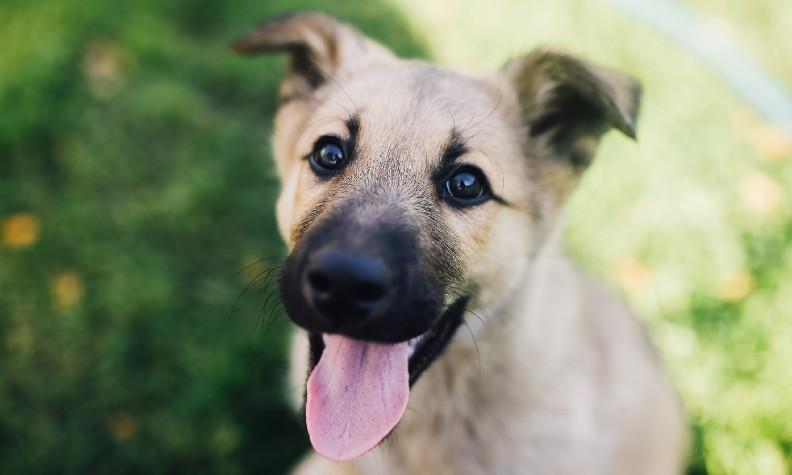
From vaccinations through to basic training, the first few months of puppyhood can certainly be action-packed! Here's our guide to help you give your puppy the best possible start in life, with everything you need to know about caring for a puppy...
How to Care for a Puppy - the Equipment Checklist
To make sure your new buddy is as comfortable, secure and cosy as possible, here are the items that should be on your essential kit list. Get hold of these before your puppy arrives, as you'll need many of them from day one.
Bedding
The bed needs to be big enough for your pup to grow into. Sometimes they'll curl up in their sleep; other times they stretch right out. So make sure it has enough room and support for them to sleep in all positions.
Top tip: opt for specialist, machine-washable pet bedding (Vetbed, for instance) as it's easier to keep the bedding area dry, warm and hygienic.
Food Bowls
They'll need separate bowls for water and food. Always make sure your new pup has fresh water they can reach whenever they want.
Collar and Leash
Get an adjustable collar, suitable for the breed. Pups can grow quickly, so you'll need to check for sizing at least a couple of times a week. There should always be just enough space to fit two fingers between the inside of the collar and your puppy's neck. The lead should be long enough to give your pup some freedom to explore, but short enough for you to pull him out of harm's way.
Puppy Crate
Crate training your puppy can also help as a useful tool for house training. When you choose the right crate size it can have a multitude of uses away from the training. It becomes a den or safe place for when they get stressed as well as a handy travel carriage.
Grooming Equipment
For dogs with a short, smooth coat (Chihuahuas and Pugs, for instance), you'll need a soft-to-medium bristle brush. For Spaniels, Golden Retrievers and other dogs with coats that are prone to matting, you'll need a medium to wide-spaced bristle brush, along with a slicker brush for dealing with tangles.
If your dog breed is prone to seasonal moulting in spring and late autumn, a de-shedding brush is useful for picking up loose hair. Dog toothpaste, toothbrush, shampoo and nail clippers should also be on your list.
Toys (the Fun Stuff)
Chew toys provide comfort and allow your pup to exercise their jaw, while helping to keep their teeth clean. Balls on ropes, frisbees and squeakers are great for mental stimulation, a workout, and fun!
How to Puppy-Proof Your Home
How hard is it to look after a puppy? It may sound fun to have a little furball of energy tearing around the place. But in truth, there's more to consider, including making your home puppy-proof and creating a safe environment for your pup to explore.
Be Careful with Swallowable Items
If it can be swallowed, keep it out of reach. Unfortunately, that rule can apply to many standard household items, including:
- Pills
- Cotton swabs
- Soap
- Tissues
- Coins
- Jewellery
- Lego
- Hair ties and lots of other ingestible items.
But bringing a puppy home and creating a positive atmosphere takes everyone's involvement. Make sure you and the rest of the family get into the habit of keeping your clutter out of reach.
Protecting Curious Pups and Creating Positive Experiences
The toilet lid should be kept down, as it's not uncommon for playful pups to jump into the bowl! Child safety latches on floor-level cupboards are also a good idea. And don't forget to put any precious, breakable objects somewhere safe.
Knowing How to Look After a New Puppy Around the Home
Wherever possible, make sure that electrical cables are not exposed. For any wires in reach of your pup, a pet-proof cable wrap is recommended. But what about the other potentially dangerous areas of your home?
Puppies love to explore. They may be able to get up the stairs, but they're more likely to tumble down them! With that in mind, if you do have stairs, a puppy gate might be a good idea for keeping your bundle of fuzz from taking a nasty fall.
Moving outside, for safe playtime in the garden, it's worth checking for and removing any potentially harmful plants and other nasties. To help you with this, we've created a handy guide to the things that are toxic to dogs. Included are lists of poisonous plants, garden and household substances.
Make sure your fence is nice and secure, too. You don't want your puppy escaping next door and digging holes in your neighbour's precious lawn!
Our Guide to Feeding Your Puppy
To help your new puppy settle in, getting their diet right is really important. But how do you know how much food to give your growing pup? And does their breed make a difference?
Puppies and young growing dogs have dietary requirements different from those of adult dogs. Most well-known dog food manufacturers sell 'puppy' foods that will give your puppy all the essential nutrients they need for normal growth and bone development.
Try to feed the same food that your puppy was getting with their breeder. This will avoid any tummy upsets when they get home.
Avoid Overfeeding Your Puppy
Remember, puppies have small stomachs, so feeding little and often is the key to a happy puppy tummy. Start by feeding your puppy four times a day until they're about four months old; you can then reduce those feedings. By the time they're six months old, feeds can be limited to once or twice a day, depending on their size and breed.
It's dangerous to over-feed growing puppies. This can cause severe and permanent damage to their bones and joints. Check the food packaging for feeding guidelines, but if you're unsure, ask your vet for advice!
Large breeds are particularly prone to the dangers of overfeeding. These dogs should be fed carefully to avoid rapid weight gain, which can lead to problems with bone and joint development. Don't fall for those puppy-dog eyes.
If you're getting your first puppy and want more advice on feeding, ask your vet, who will be happy to help.
Puppy Microchipping and Tagging
Dogs of any age can be microchipped, but in the UK, puppies must now have a registered microchip before they're 8 weeks old. This means your puppy should already be microchipped before you take them home from the breeder.
Dogs are known to go missing during walks, from gardens, or be stolen. If your dog is microchipped, the registered details can be used to track you down so you're quickly reunited. A microchip with up-to-date registration details can also serve as proof of ownership, especially if anyone disputes it.
You can get the full lowdown on why microchipping is so important and how to do it in our guide to microchipping your pet.
It's also a legal requirement for any dog in a public place to wear a collar with the owner's name, address and postcode on it - or engraved on an attached tag. These can easily be ordered online for a few pounds and can make for a very quick reunion if your pooch goes walkies without you!
Registering Your Puppy With a Vet
One of the first elements of knowing how to look after a puppy dog is getting a visit to the vet on the calendar. In fact, you should look to arrange that appointment as soon as your new pup arrives.
They will also give you advice on diet and exercise (which can vary quite a lot depending on the breed). Your vet should also tell you when the time is right to neuter your young dog.
Your vet can also help you with worming. Regular routine worming treatment will prevent your puppy from picking up any unwanted wrigglies! The vet will also make sure you stay on top of all the vaccinations your puppy needs.
Beyond the medical essentials, some vet surgeries also run puppy clubs. For owners, these offer the opportunity to pick up hints and tips on topics such as training and feeding. For pups, they are a fun, safe way to meet new friends and support socialisation.
Everypaw Puppy Insurance
Everypaw's Puppy Insurance comes with 24/7 unlimited access to vets and vet nurses that can help with your pet's health, care, nutrition and behaviour. So you can rest assured your pup will be well looked after.


